Modern vessels run on increasingly powerful electronics, and keeping those systems cool is no longer a secondary concern. As propulsion systems, thrusters, and energy storage become more sophisticated, the thermal management strategy chosen at the design stage has a direct impact on vessel performance, operating costs, and long-term reliability. For marine power electronics cooling, water consistently outperforms air, and the reasons go well beyond simple temperature numbers.
The unique cooling demands of marine power electronics
Marine environments push power electronics harder than almost any other setting. Compact spaces, constant vibration, humidity, and the corrosive nature of a saltwater atmosphere all combine to create conditions where thermal management must be both robust and precise. The marine applications we provide cooling solutions for include propulsion systems, thrusters, winches, and battery and energy storage systems, each generating significant and often variable heat loads that demand a reliable response.
Unlike land-based installations, vessels have limited options for routing heat away from sensitive components. Equipment must continue operating through changing ambient conditions, heavy loads, and extended periods without maintenance access. This makes the choice of cooling technology a foundational engineering decision rather than an afterthought.
How water cooling handles heat more efficiently than air
Water carries heat away from components roughly 25 times more effectively than air, and that difference becomes decisive in high-density marine power electronics. Air cooling relies on moving large volumes of air across heat sinks, which becomes increasingly impractical as power densities rise. Water absorbs more thermal energy per unit volume, so smaller coolant flows achieve what banks of fans cannot.
In a closed-loop water cooling system, coolant absorbs heat directly from the electronics, carries it to a heat exchanger, and transfers it to the vessel’s technical water supply. Seawater serves as a secondary option when technical water is unavailable, but the primary cooling medium is always the ship’s own technical water circuit. This closed-loop approach maintains consistent coolant quality and keeps thermal performance stable regardless of ambient air temperature on deck or in the engine room.
Space, weight, and noise advantages on board vessels
Space is one of the most constrained resources on any vessel, and air cooling systems consume a disproportionate share of it. Large heat sinks, fans, and ducting add bulk and weight that water cooling simply does not require. Compact heat exchangers replace all of that hardware, freeing up cabinet space and allowing higher power density in the same footprint.
The noise reduction is equally significant. Multiple cooling fans running continuously generate considerable acoustic output, which affects both crew comfort and the ability to detect mechanical issues by sound. Liquid cooling marine systems operate far more quietly, and the absence of air filters means fewer components that collect dust and contaminants in the marine atmosphere.
Reliability and maintenance in saltwater environments
Corrosion, vibration, and limited maintenance windows make reliability a non-negotiable requirement for marine cooling stations. Closed-loop water cooling systems address this directly: because coolant circulates in a sealed circuit, it is protected from the saltwater atmosphere that degrades open air cooling components over time.
Modern systems incorporate redundant pumps, continuous flow monitoring, and advanced leak detection to maintain operation even if a single component requires attention. Our DNV type-approved C-series cooling stations meet the certification standards required for installation on all vessels classed by DNV, validating their performance under the vibration, temperature variation, and extended duty cycles that marine service demands. Fewer moving parts exposed to the environment also means longer intervals between scheduled maintenance.
Energy efficiency gains with liquid cooling at sea
The energy argument for water cooling marine applications is straightforward: replacing multiple high-powered fans with a single pump-driven circuit reduces the energy drawn by the cooling system itself. Beyond that direct saving, components that operate at stable, optimal temperatures run more efficiently and avoid the performance throttling that overheating triggers.
When power electronics overheat, they reduce output to protect themselves, cutting available capacity and adding thermal stress that shortens component lifespan. Maintaining correct temperatures through liquid cooling allows systems to run at full rated capacity consistently. For vessel operators focused on fuel efficiency and emissions reduction in 2026, that sustained performance translates directly into lower operating costs and a smaller environmental footprint over the life of the installation.
At Adwatec, we have developed specialized cooling solutions for demanding industrial applications over our 25+ years of experience. The marine applications we provide cooling solutions for include propulsion systems, thrusters, winches, and battery and energy storage systems. We provide solutions using primarily the vessel’s technical water system, with seawater as a secondary option when technical water is unavailable. Our modular cooling stations enable precise thermal management that maximizes power electronics performance while minimizing space and energy requirements. Learn more about why you should choose us for your next cooling project.
marine references
-
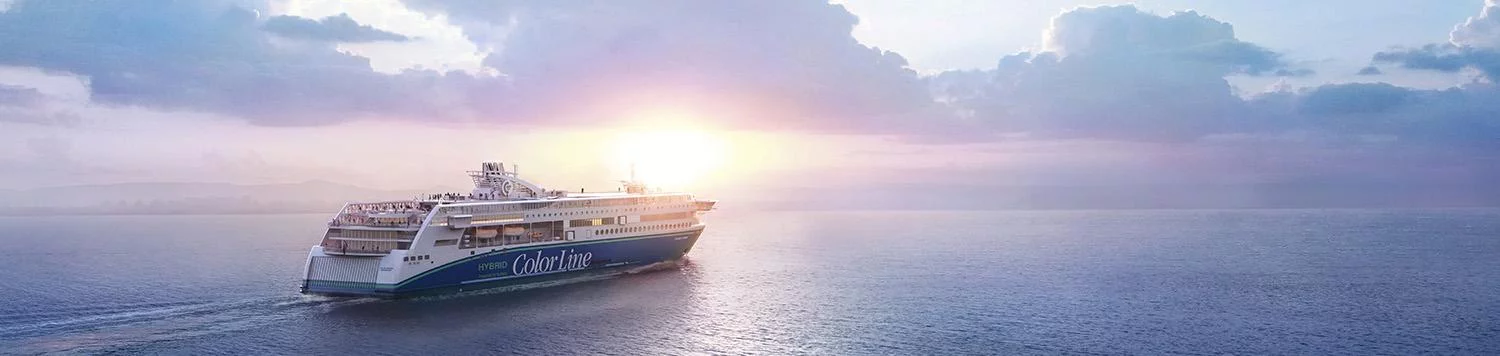
Ulstein Color Hybrid. Battery cooling for a revolutionary hybrid vessel Adwatec was part of a completely new kind of project within the marine industry when the company won a contract and was to deliver the solution that will cool down the batteries of the world’s largest plug-in hybrid vessel. Key Benefits of Adwatec’s cooling solution:…
-
Water cooling in industrial power grid. Three L-range Adwatec cooling systems take care of SVC applications in industrial power grid. Details about the project:
-

Cooling system for large STATCOM application. Three L-range Adwatec cooling systems take care of STATCOM application in a traction power grid. About the project: