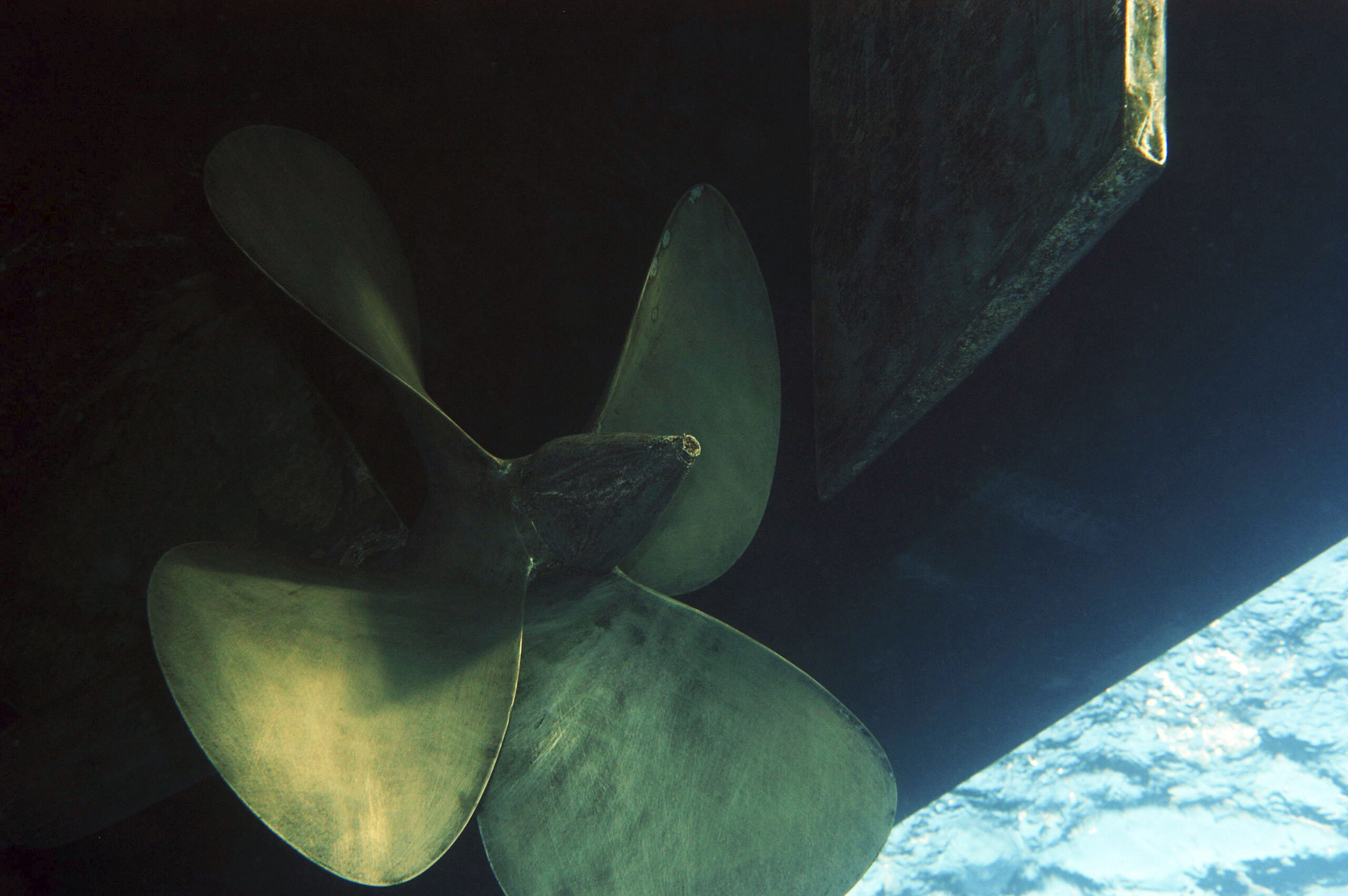
Modern vessels depend on sophisticated power electronics to drive propulsion, control thrusters, and manage onboard energy systems. As these components grow more powerful and compact, managing the heat they generate has become one of the most critical engineering challenges in marine design. Effective water cooling for marine propulsion systems is no longer optional — it is a fundamental requirement for safe, efficient, and reliable vessel operation.
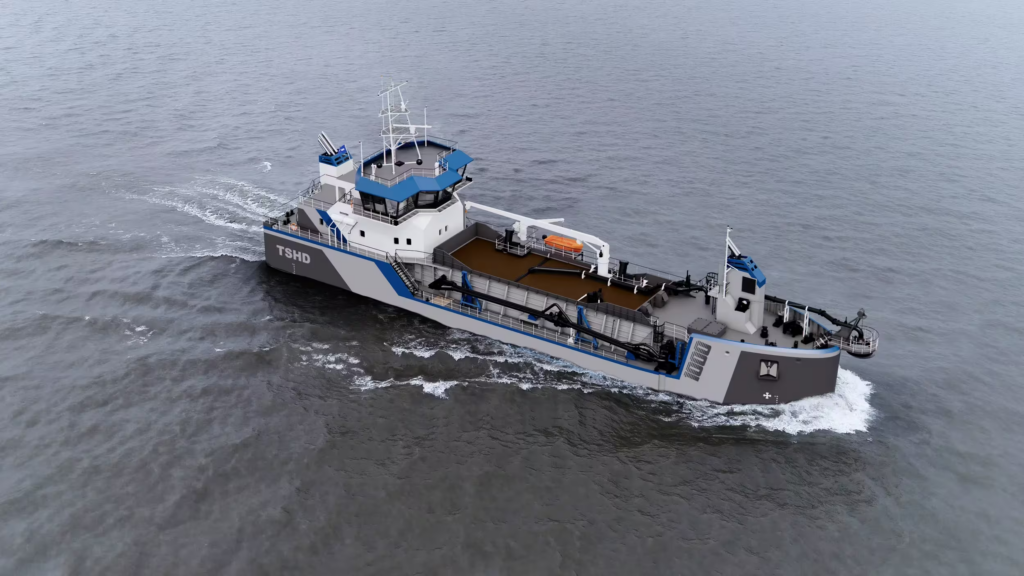
The marine applications we provide cooling solutions for include propulsion systems, thrusters, winches, and battery and energy storage systems. Each of these places distinct thermal demands on the vessel’s power electronics, and each requires a cooling approach that accounts for the unique conditions found at sea.
Heat challenges unique to marine propulsion environments
Marine propulsion electronics operate under conditions that make thermal management significantly more demanding than in most land-based applications. Constant load cycling, confined machinery spaces with limited airflow, and the corrosive nature of the marine environment all compound the challenge of keeping power electronics within safe operating temperatures.
Variable speed drives, converters, and inverters used in electric and hybrid propulsion systems generate substantial heat loads during normal operation. Unlike industrial settings where ambient conditions are relatively stable, vessels encounter wide temperature swings, humidity, and vibration — all of which affect how efficiently heat can be removed from sensitive components. Without a robust vessel cooling system, these conditions accelerate component degradation and increase the risk of unplanned failures.
How closed-loop water cooling protects propulsion electronics
Closed-loop liquid cooling for marine applications works by circulating coolant water directly through a dedicated circuit that absorbs heat from power electronics and transfers it away without exposing components to outside contaminants. This isolation is what makes closed-loop systems so well suited to the marine environment.
The primary cooling medium in a vessel’s closed-loop system is the ship’s own technical water supply. Seawater is only used as a secondary option when technical water is unavailable. By keeping the cooling circuit closed, the system prevents salt, particulates, and biological matter from ever reaching the electronics. Coolant quality can be monitored and maintained precisely, which is especially important for deionized water systems used with sensitive power electronics such as Static Var Compensators. This level of control simply is not achievable with open cooling arrangements.
A well-designed marine cooling station regulates flow, pressure, and temperature automatically, adapting to changing load conditions without manual intervention. Features such as eco-mode control reduce energy consumption during low-load periods, which matters on vessels where operational efficiency directly affects fuel costs and emissions.
Reliability and uptime gains from proper thermal management
Thermal stress is one of the leading causes of premature failure in power electronics. Every degree of excess temperature shortens component lifespan, and in a marine context, a failure at sea carries consequences that go well beyond the cost of a replacement part.
Proper power electronics cooling keeps junction temperatures within the design envelope, dramatically reducing thermal cycling stress. The result is fewer unplanned maintenance events, longer intervals between service visits, and greater confidence in the vessel’s operational availability. For operators running tight schedules in commercial shipping or offshore work, this reliability translates directly into financial performance. Investing in the right cooling solution at the design stage consistently pays back through reduced lifecycle costs and improved uptime.
DNV approval and marine certification requirements
Marine classification societies set rigorous standards for any equipment installed onboard a vessel, and cooling systems are no exception. DNV type approval is widely regarded as the benchmark for equipment accepted across the global commercial fleet.
A DNV type-approved cooling station has been independently verified to meet the structural, functional, and safety requirements defined for marine use. This covers vibration resistance, material compatibility, pressure integrity, and operational performance across the environmental conditions vessels encounter. For shipbuilders and system integrators, specifying type-approved equipment simplifies the classification process and reduces the risk of costly design reviews or modifications late in a project. Our DNV type-approved C-series cooling stations are accepted for installation on all vessels classed by DNV, providing a straightforward path to compliance without compromising performance.
Selecting the right cooling station for marine applications
Choosing a marine cooling solution involves balancing thermal capacity, physical footprint, coolant compatibility, and integration with the vessel’s existing systems. Getting this right from the start avoids expensive retrofits and ensures the cooling system performs as intended throughout the vessel’s service life.
Key considerations include the total heat load of the electronics being cooled, the available cooling water supply and its quality, space constraints in the machinery compartment, and any specific classification requirements for the vessel’s intended trading area. Modular cooling station designs offer a significant advantage here — they allow the system to be configured precisely to the application rather than forcing a compromise between an oversized standard product and a fully bespoke solution.
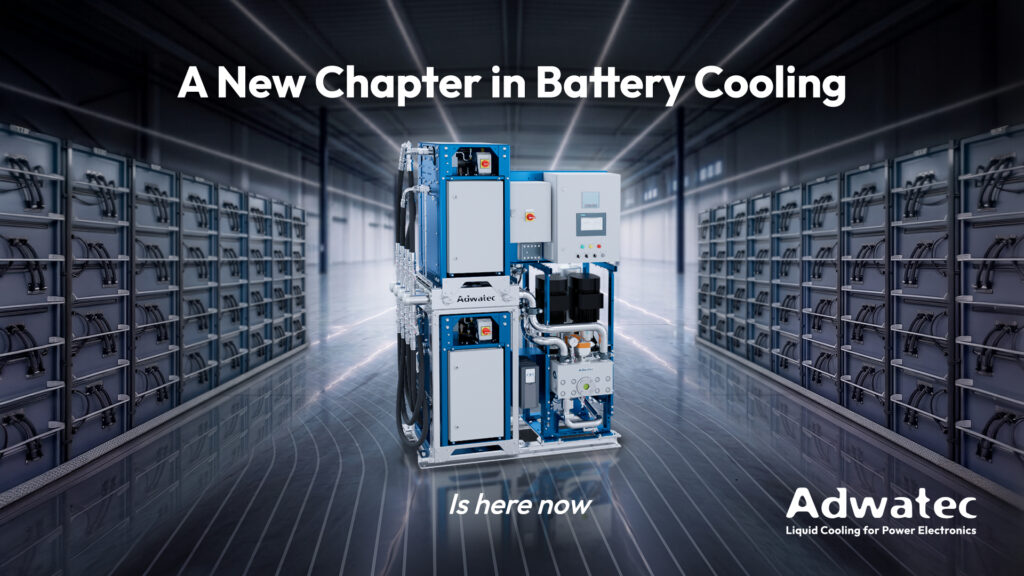
For projects involving battery and energy storage systems, purpose-built cooling station series designed specifically for energy storage applications ensure that the unique thermal and electrical isolation requirements of these systems are met. The ability to configure a solution online, adjust parameters, and validate sizing before committing to hardware makes the selection process faster and more transparent for engineering teams working to tight project timelines.

About Adwatec
Adwatec is a water technology company specializing in water cooling for power electronics. We serve clients across various sectors, including Marine, Electrical Grid and Heavy Industry, on a global scale. With more than two decades of expertise and strong focus in R&D, we offer our clients proven, state-of-the-art solutions.
Our mission is to boost Sustainability in our products, operations and customer’s applications. In order to achieve this our deep knowledge of various customer applications is essential and we are not afraid to share the cooling aspects in these. Adwatec products are modular which allows us to customize the cooling solutions to customer specific application needs. Standard modules in high volumes, small size and low maintenance result in competitive lifecycle costs. Adwatec products installed onboard more than 500 vessels globally is a reference that we are truly proud of!
We have certifications for ISO9001 Quality Management System, ISO14001 Environmental Management System and ISO45001 Occupational Health and Safety.