Modern vessels are running more power electronics than ever before. From variable-speed drives and frequency converters to battery energy storage systems, the electrical load onboard has grown dramatically as the maritime industry pushes toward electrification and cleaner operations. With that growth comes a critical challenge: heat. Managing thermal loads effectively is no longer optional, and water cooling for marine power electronics has become the standard approach for vessels that demand reliability, efficiency, and longevity from their onboard systems.
Understanding why liquid cooling has become so central to marine electrical design requires looking at both the physics of heat transfer and the realities of life at sea. This article walks through the core reasons water cooling outperforms alternatives, what a proper system looks like, and what to consider when selecting a cooling station for your vessel.
The thermal challenge inside modern marine vessels
Power electronics generate significant heat during normal operation, and that heat must go somewhere. In a marine environment, the challenge is compounded by confined machinery spaces, variable ambient temperatures, humidity, and the constant vibration of a working vessel. When components overheat, they throttle output to protect themselves, which can reduce performance capacity and accelerate wear across the entire system.
The marine applications we provide cooling solutions for include propulsion systems, thrusters, winches, and battery and energy storage systems. Each of these generates substantial thermal loads that, left unmanaged, lead to shortened component lifespan, unexpected downtime, and costly repairs in locations where service access is anything but straightforward. Effective marine electronics thermal management is therefore not just a performance consideration but a fundamental operational requirement.
How water cooling outperforms air cooling at sea
Water carries heat away from components roughly 25 times more effectively than air, and that difference becomes especially significant in the demanding conditions found onboard a vessel. Air cooling depends on moving large volumes of air through heat sinks and ducting, which requires space, generates noise, and performs inconsistently as ambient temperatures rise or air quality degrades.
A water cooling system for marine applications maintains consistent thermal performance regardless of ambient conditions. Closed-loop liquid cooling also eliminates the dust, salt air, and moisture ingress that can clog filters and corrode fan assemblies over time. The result is more stable operating temperatures, quieter machinery spaces, and a system that requires significantly less routine maintenance than its air-cooled equivalent.
Key components of a marine water cooling system
A marine liquid cooling system operates as a closed loop. Coolant absorbs heat directly from power electronics components, then circulates to a heat exchanger where that thermal energy is transferred to the vessel’s technical water supply. The cooled liquid returns to the components, and the cycle continues. The vessel’s own technical water is the primary cooling medium in this process, with seawater serving only as a secondary option when technical water is unavailable.
The core components include circulation pumps, heat exchangers, expansion vessels, flow and temperature sensors, and an intelligent control unit. Modern systems incorporate automatic pump speed adjustment and eco-mode control, which reduces energy consumption during periods of lower thermal load. This level of integration means the cooling system responds dynamically to real operating conditions rather than running at full capacity continuously.
Protecting power electronics from marine conditions
Salt air, vibration, condensation, and wide temperature swings are everyday realities at sea. Power electronics that might perform reliably in a controlled industrial facility face accelerated degradation in a marine environment without proper protection. Closed-loop liquid cooling for marine vessels addresses this directly by keeping sensitive components isolated from the surrounding atmosphere.
Beyond the cooling circuit itself, the materials and construction standards used in marine cooling stations matter enormously. DNV type approval, for example, validates that a cooling station has been tested and accepted for installation on all vessels classed by DNV, covering performance under vibration, temperature variation, and extended operational periods. This kind of certification provides assurance that the system will hold up across the full service life of the vessel.
Choosing the right cooling station for your vessel
Selecting the right cooling station starts with understanding the specific thermal loads, spatial constraints, and regulatory requirements of the application. A propulsion system cooling requirement differs from that of a battery energy storage system, and a retrofit installation on an existing vessel presents different constraints than a new build. Compact, correctly sized designs are important here, as oversized systems waste energy and space, while undersized ones create the exact thermal problems they are meant to solve.
We at Adwatec have been delivering water cooling solutions for marine power electronics since 2007, with our cooling stations now installed on more than 500 vessels globally. Our modular cooling station range, including the DNV type-approved C-series, is designed to be configured to application-specific needs, and we offer an online water cooling configurator that makes it straightforward to design a solution that fits the vessel and the load. If the goal is long-term reliability and efficient thermal management at sea, starting with the right specification is the most important step.
marine references
-
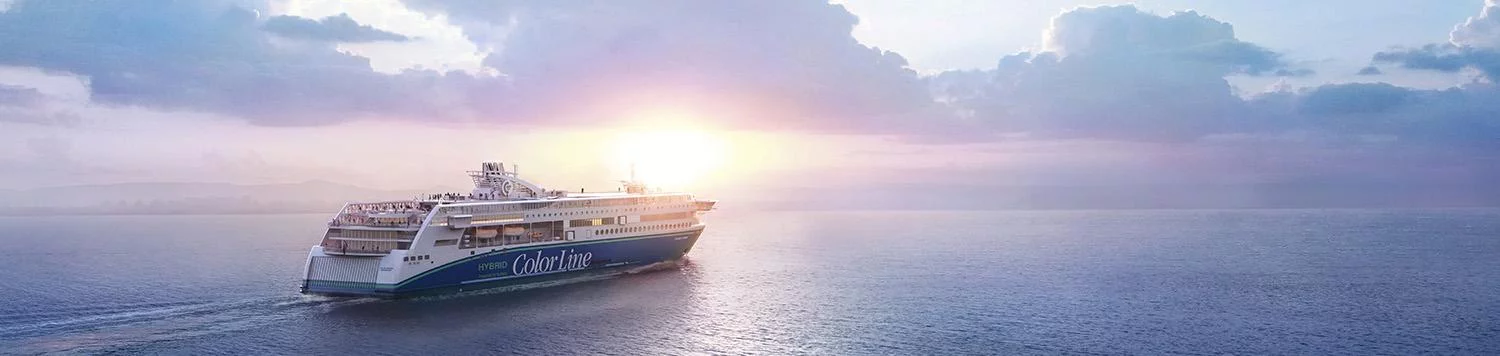
Ulstein Color Hybrid. Battery cooling for a revolutionary hybrid vessel Adwatec was part of a completely new kind of project within the marine industry when the company won a contract and was to deliver the solution that will cool down the batteries of the world’s largest plug-in hybrid vessel. Key Benefits of Adwatec’s cooling solution:…
-

Water cooling in industrial power grid. Three L-range Adwatec cooling systems take care of SVC applications in industrial power grid. Details about the project:
-

Cooling system for large STATCOM application. Three L-range Adwatec cooling systems take care of STATCOM application in a traction power grid. About the project: