Redundancy is important in marine battery cooling systems because a single point of failure in thermal management can compromise battery safety, reduce performance, and force a vessel out of service. For hybrid and fully electric vessels, where battery systems are central to propulsion and power delivery, uninterrupted cooling is not optional. The sections below address the most common questions vessel operators and system designers have about cooling redundancy in marine energy storage applications.
What happens when a marine battery cooling system fails?
When a marine battery cooling system fails, battery cell temperatures rise beyond their designed operating range. This triggers thermal runaway risk, forces battery management systems to limit power output, and can result in a complete system shutdown. On a vessel that depends on battery power for propulsion or critical loads, this means loss of maneuverability or power at sea.
Even a partial cooling failure has serious consequences. Elevated temperatures accelerate battery degradation, shortening service life and increasing replacement costs. In worst-case scenarios, uncontrolled heat buildup in lithium-ion battery packs creates fire and explosion hazards. Classification societies and flag states treat battery cooling as a safety-critical system precisely because the consequences of failure are not limited to inconvenience.
What does redundancy mean in a marine cooling system?
Redundancy in a marine cooling system means the system includes backup capacity that automatically maintains cooling if one component fails. Rather than relying on a single pump, chiller, or circuit, a redundant cooling system uses multiple independent units so that the failure of any one element does not interrupt the overall cooling function.
In practice, redundancy can apply at several levels: pumps, chiller modules, heat exchangers, control systems, and piping circuits. True redundancy means the backup capacity is immediately available without manual intervention, and the system continues operating within acceptable temperature limits during the failure event. This is distinct from having a spare part in storage, which requires downtime to install.
How does a redundant cooling system protect battery performance?
A redundant cooling system protects battery performance by ensuring that precise temperature, pressure, and flow control are maintained even when one cooling unit fails. Batteries operate most efficiently and age most slowly within a narrow temperature window. A redundant system keeps coolant conditions stable, preventing the thermal stress that degrades cell chemistry and reduces capacity over time.
Beyond protecting individual cells, consistent thermal management also protects the battery management system’s ability to deliver rated power. When temperatures drift outside optimal ranges, the BMS reduces available power as a protective measure. Redundancy prevents these protective deratings from occurring during normal operation, keeping the vessel’s power delivery predictable and reliable throughout the voyage.
What are the main types of redundancy used in marine battery cooling?
The main types of redundancy used in marine battery cooling are component-level redundancy and module-level redundancy. Component-level redundancy duplicates individual elements such as pumps or fans within a single cooling unit. Module-level redundancy uses multiple independent cooling units, each capable of maintaining system function if another unit fails entirely.
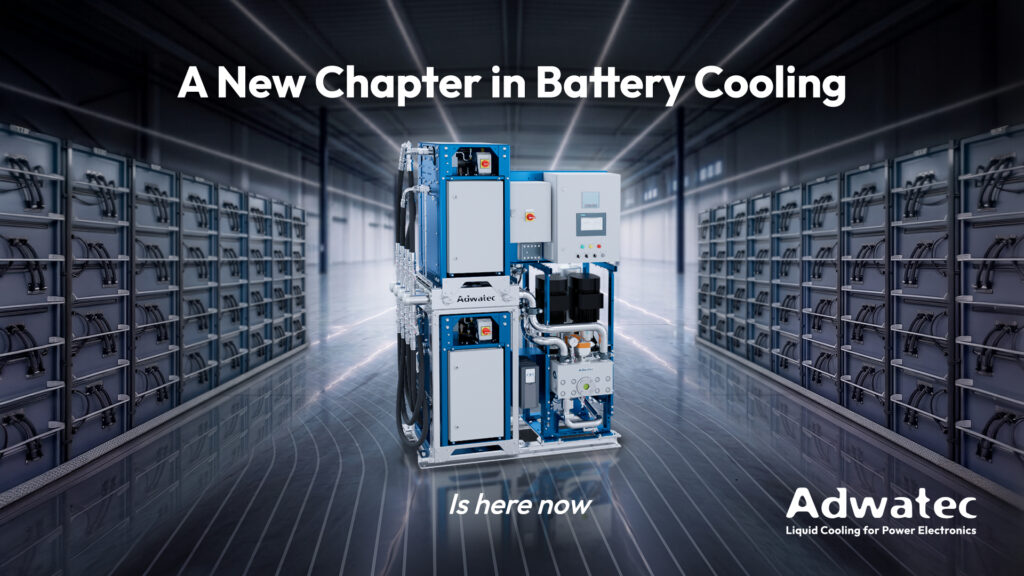
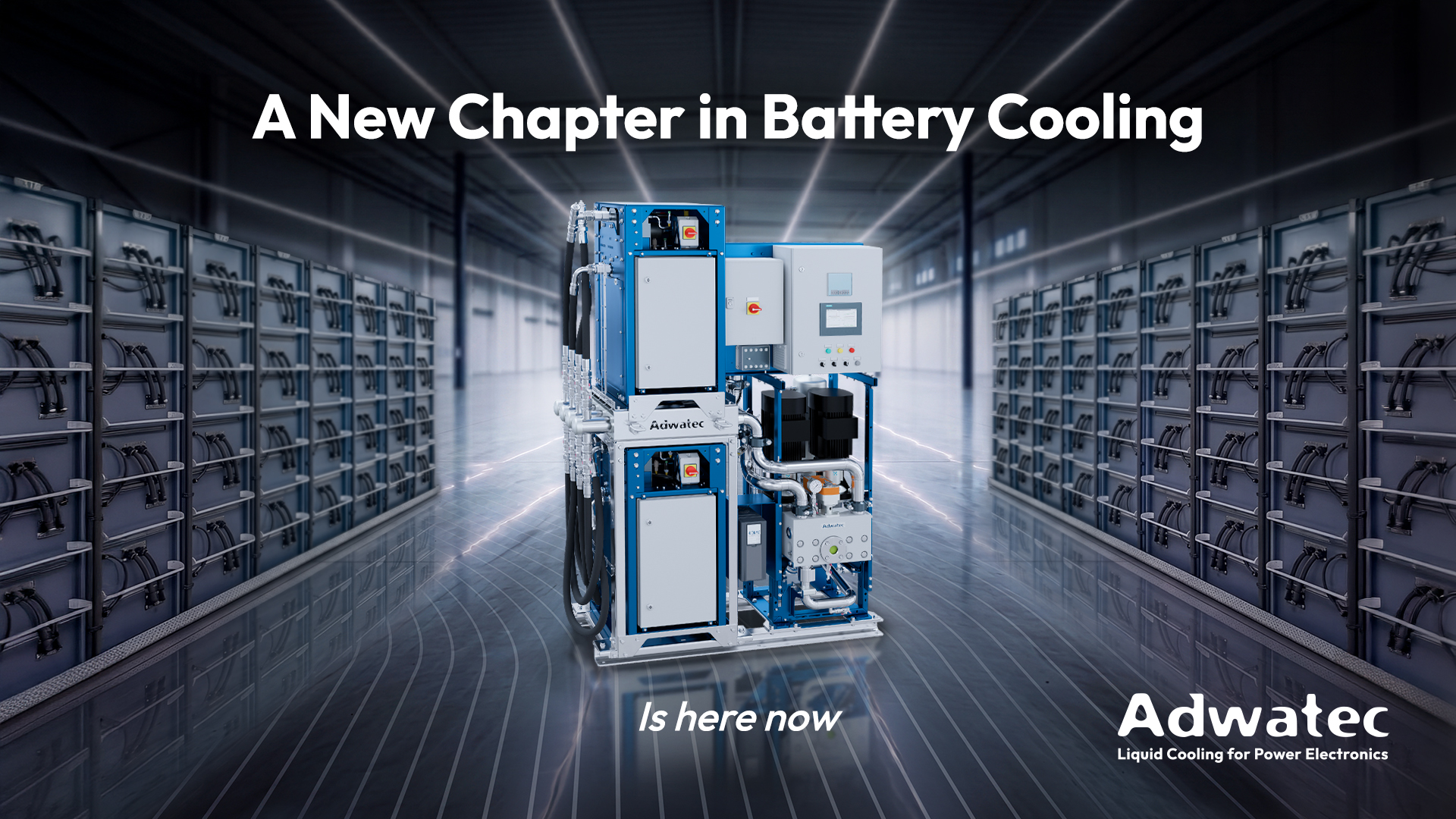
Module-level redundancy is generally preferred for marine energy storage applications because it eliminates shared failure points between units. Our CCE Classic Series with Chiller is built on this principle, using multiple independent chiller modules within a rack architecture. If one chiller module fails, the remaining modules continue operating, and the failed unit can be replaced without taking the entire system offline. This approach also allows cooling capacity to scale with battery size by adding modules rather than replacing the entire station.
How does redundancy relate to DNV and class society requirements?
DNV and other class societies require that safety-critical systems on classed vessels maintain function during foreseeable single failures. For battery cooling systems, this means the cooling arrangement must be capable of preventing dangerous temperature rise even if one component or subsystem fails. Vessels that cannot demonstrate this capability may face restrictions on operational profiles or battery system approval.
DNV’s rules for battery installations and equivalent requirements from other class societies treat thermal management as integral to battery safety. Designers specifying cooling systems for classed vessels need to demonstrate that their arrangement meets the relevant redundancy requirements at the design stage. Working with type-approved equipment built for marine environments simplifies the approval process and reduces the risk of costly redesigns during class review.
When should a vessel operator specify a redundant cooling station?
A vessel operator should specify a redundant cooling station whenever the battery system is essential to propulsion, dynamic positioning, or other safety-critical functions, and whenever the vessel operates in conditions where returning to port quickly is not practical. For fully electric vessels, redundancy is a baseline requirement. For hybrid vessels where battery failure would leave the vessel without adequate power reserve, redundancy is equally justified.
Operators should also consider redundancy when the cost of unplanned downtime exceeds the cost of the additional cooling capacity. For commercial vessels on fixed schedules, offshore support vessels, and ferries, a cooling failure that forces an unscheduled port call carries significant financial and reputational consequences. A modular redundant system also offers a practical advantage: individual units can be serviced or replaced during scheduled maintenance windows without shutting down the entire cooling circuit, increasing overall availability across the vessel’s service life.
Read more about the solution and explore its key features on the CCE Classic Series with Chiller product page.