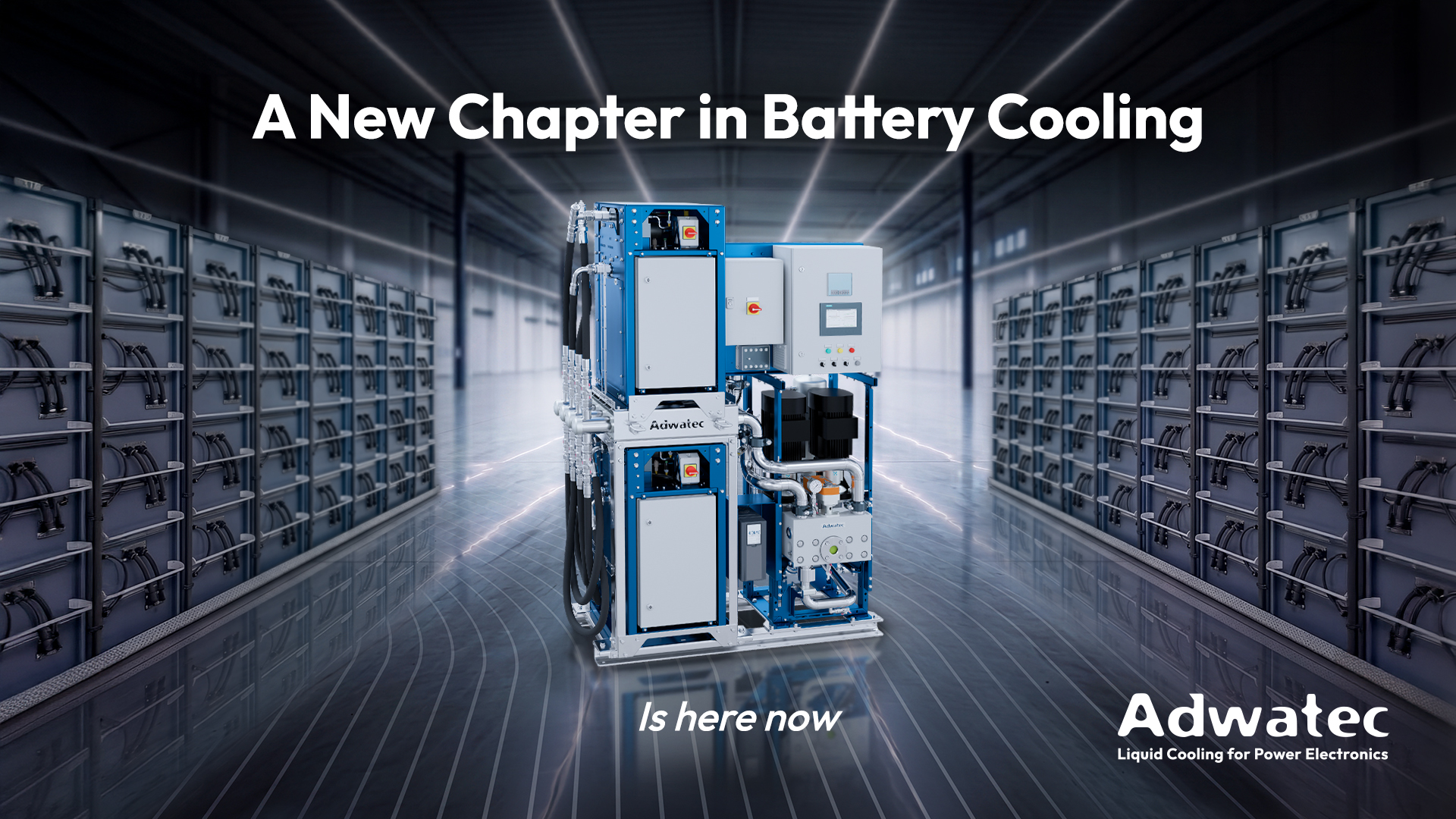
Precise temperature control is critical for marine batteries because lithium-ion cells are highly sensitive to heat and cold, and even modest deviations from the optimal range accelerate degradation, reduce capacity, and create serious safety hazards. On a vessel, where ambient conditions shift constantly and cooling resources are limited, maintaining stable battery temperatures is not optional. The questions below unpack exactly why this matters and what a reliable thermal management system needs to deliver.
What happens to marine batteries when temperature fluctuates?
When marine battery temperatures fluctuate, cell chemistry becomes unstable. Excessive heat accelerates internal reactions that permanently reduce capacity and shorten battery life. Cold temperatures increase internal resistance, cutting available power at the moments a vessel needs it most. Repeated thermal cycling, warming and cooling without control, causes mechanical stress inside cells that compounds degradation over time.
In a marine environment, these fluctuations are not theoretical. Engine room temperatures vary with load and ambient conditions, while a vessel moving between climates faces wide swings in external temperature. Without active thermal management, the battery pack absorbs those swings directly, and performance becomes unpredictable.
What is the optimal temperature range for marine batteries?
Most lithium-ion marine batteries perform best when coolant temperatures are held between approximately 20°C and 30°C, with cell temperatures ideally kept below 35°C during operation. The precise target depends on the battery chemistry and the manufacturer’s specifications, but the principle is consistent: tighter temperature control within a narrow band produces better performance and longer service life.
Achieving these conditions at sea is more demanding than in a shore-based installation. Standard technical water available on a vessel may not be cold enough to meet battery cooling requirements, particularly during high-load operation or in warm climates. This is why dedicated chiller modules are often necessary to bring coolant temperatures down to the levels batteries actually require.
How does liquid cooling maintain precise battery temperatures at sea?
Liquid cooling maintains precise marine battery temperatures by circulating coolant through a closed loop that absorbs heat directly from the battery pack and transfers it away before it can build up. Closed-loop liquid cooling is significantly more effective than air cooling at managing the heat density of modern battery systems, and it keeps the battery environment isolated from the corrosive marine atmosphere.
Precision comes from active control of coolant temperature, flow rate, and pressure. Variable frequency drives (VFDs) on pumps and chiller units allow the system to respond dynamically to changing thermal loads rather than running at fixed capacity. When the battery is charging rapidly or delivering high power, the cooling system ramps up; during lighter operation, it runs more efficiently at reduced output.
Our CCE Classic Series with Chiller is built around this principle, combining closed-loop cooling architecture with VFD-controlled chiller modules that regulate coolant conditions continuously. Chiller modules ensure that even when vessel technical water is warmer than the battery requires, the coolant delivered to the battery pack stays within the target range.
What are the safety risks of poor battery temperature control on vessels?
Poor battery temperature control on vessels creates a risk of thermal runaway, a self-reinforcing reaction where heat causes cell failure, which generates more heat, potentially leading to fire or explosion. On a vessel at sea, the consequences of a battery fire are severe: evacuation options are limited, firefighting resources are constrained, and damage can be catastrophic.
Beyond the extreme scenario, inadequate thermal management also causes subtler safety problems. Overheated cells can swell and deform, compromising the structural integrity of the battery pack. Cold batteries delivering less power than expected can cause propulsion or maneuvering failures at critical moments. Both failure modes represent genuine operational risks that precise temperature control directly prevents.
How does temperature control affect the lifespan of marine batteries?
Temperature control is one of the single largest factors in marine battery lifespan. Lithium-ion cells age faster when they operate outside their optimal temperature range, and elevated temperatures in particular accelerate the chemical degradation of electrodes and electrolyte. Industry experience consistently shows that batteries held within tight thermal limits retain capacity significantly longer than those exposed to frequent thermal stress.
For vessel operators, this translates directly to total cost of ownership. Marine battery systems represent a substantial capital investment. Extending service life by several years through precise thermal management reduces the frequency of replacement cycles and lowers long-term operating costs. Accurate control of pressure and flow alongside temperature also prevents mechanical stress on cooling circuit components, reducing maintenance requirements across the system.
What should a marine battery cooling system include?
A marine battery cooling system should include a closed-loop cooling circuit, active chiller capability, precise control of coolant temperature and flow, and a design that meets marine certification requirements. These are the baseline elements needed to maintain stable battery thermal conditions across the range of operating scenarios a vessel encounters.
Beyond the basics, a well-specified system should offer:
- Chiller modules to bring coolant below the temperature that vessel technical water alone can achieve
- VFD-controlled pumps and chillers for energy-efficient, responsive temperature regulation
- Redundancy through multiple independent chiller units, so a single failure does not interrupt cooling
- Scalable architecture that can be sized to different battery capacities and adapted for both newbuilds and retrofits
- Marine-grade construction with vibration testing and relevant type approvals for the vessel’s classification
Compact physical configuration matters too, space on a vessel is always limited, and a cooling system that can be configured flexibly within the available installation footprint simplifies integration without compromising performance.
Read more about the solution and explore its key features on the battery cooling product page.