You should upgrade your vessel’s battery thermal management when you notice persistent temperature warnings, reduced battery capacity, or cooling system faults that recur despite routine maintenance. For most marine operators, the trigger is a combination of aging equipment and increasingly demanding power requirements as hybrid and electric propulsion become the norm. The questions below unpack the key signs, causes, and decisions involved.
What are the warning signs that battery thermal management is failing?
The clearest warning signs of failing battery thermal management are recurring high-temperature alarms, uneven cell temperatures across the battery pack, unexpected capacity loss, and cooling system faults that return shortly after being cleared. If your vessel’s battery management system is logging these events more frequently, the thermal management system is struggling to keep up.
Beyond alarms, watch for physical indicators: coolant leaks around fittings or heat exchangers, unusual noise from pumps, and reduced flow rates detected by onboard sensors. A battery that takes longer to charge or delivers less power during peak demand is often running too warm. In marine environments, humidity and salt air accelerate wear on cooling components, so degradation can happen faster than in shore-based systems.
Intermittent faults are particularly telling. A system that fails, resets, and then fails again under load is not recovering; it is masking a deeper thermal problem that will worsen over time.
How does poor thermal management affect battery lifespan at sea?
Poor battery thermal management directly shortens battery lifespan by accelerating chemical degradation inside the cells. Batteries operating above their optimal temperature range experience faster capacity fade, increased internal resistance, and, in severe cases, thermal runaway, which is a serious safety risk aboard any vessel.
At sea, the consequences compound. Marine batteries face variable load demands from propulsion, thrusters, and onboard systems, meaning thermal stress is rarely constant. A cooling system that cannot respond quickly enough to sudden load spikes allows temperature peaks that each chip away at battery longevity. Over time, a battery that should last ten or more years may need replacement significantly earlier, at considerable cost and operational disruption.
Consistent, precise temperature control, maintaining coolant within the battery manufacturer’s specified range, is the single most effective way to protect battery investment and maintain reliable performance throughout the vessel’s service life.
What triggers the need for a thermal management upgrade on a vessel?
A thermal management upgrade is typically triggered by one of three situations: the existing cooling system can no longer handle increased battery capacity after a power upgrade, the system has reached the end of its reliable service life, or a vessel is being converted from diesel to hybrid or fully electric propulsion and needs purpose-built battery cooling.
Regulatory and classification requirements can also drive upgrades. As classification societies tighten requirements around energy storage safety, older cooling installations may no longer meet current standards. Operators planning to renew class certification or enter new trade routes with stricter environmental rules often find that upgrading thermal management is a prerequisite.
Operational ambitions matter too. A vessel expanding into longer routes or higher-power operations needs a cooling system sized and controlled precisely for those demands, not one originally specified for lighter duty cycles.
What’s the difference between air cooling and liquid cooling for marine batteries?
The key difference is thermal capacity and precision. Air cooling uses fans to move ambient air across battery surfaces, which is simple but limited in how much heat it can remove and how accurately it can control temperature. Liquid cooling circulates coolant directly through or around battery modules, offering far greater heat transfer efficiency and much tighter temperature control.
For marine battery systems, liquid cooling is the preferred approach for any significant power capacity. Marine environments introduce challenges that air cooling handles poorly: high ambient humidity, salt-laden air, and confined installation spaces with limited airflow. Liquid cooling operates in a closed loop, which keeps the coolant clean and the battery environment controlled regardless of what is happening outside the system.
Liquid cooling also enables chiller integration. When vessel technical water is too warm to bring coolant down to the battery’s optimal temperature, a chiller module actively cools the coolant to the required level, something air cooling simply cannot replicate. For hybrid and fully electric vessels where battery performance is central to operations, liquid cooling with active temperature regulation is the standard.
How do you choose the right cooling station for a marine battery system?
Choosing the right cooling station for a marine battery system comes down to four factors: required cooling capacity, coolant temperature targets, installation space, and redundancy requirements. Getting these right from the start prevents undersizing problems and costly modifications later.
Start with the battery manufacturer’s thermal specifications. They define the coolant temperature range, flow rate, and pressure that the battery needs to operate optimally. Your cooling station must reliably deliver those parameters across all operating conditions, including peak load and high ambient temperatures.
For marine applications, classification approval is non-negotiable. The cooling station must meet the standards of the relevant classification society for the vessel’s trade. Modular architecture is worth prioritizing: a system built from independent units maintains cooling even if one module fails, which is critical for vessels where battery availability directly affects propulsion or safety.
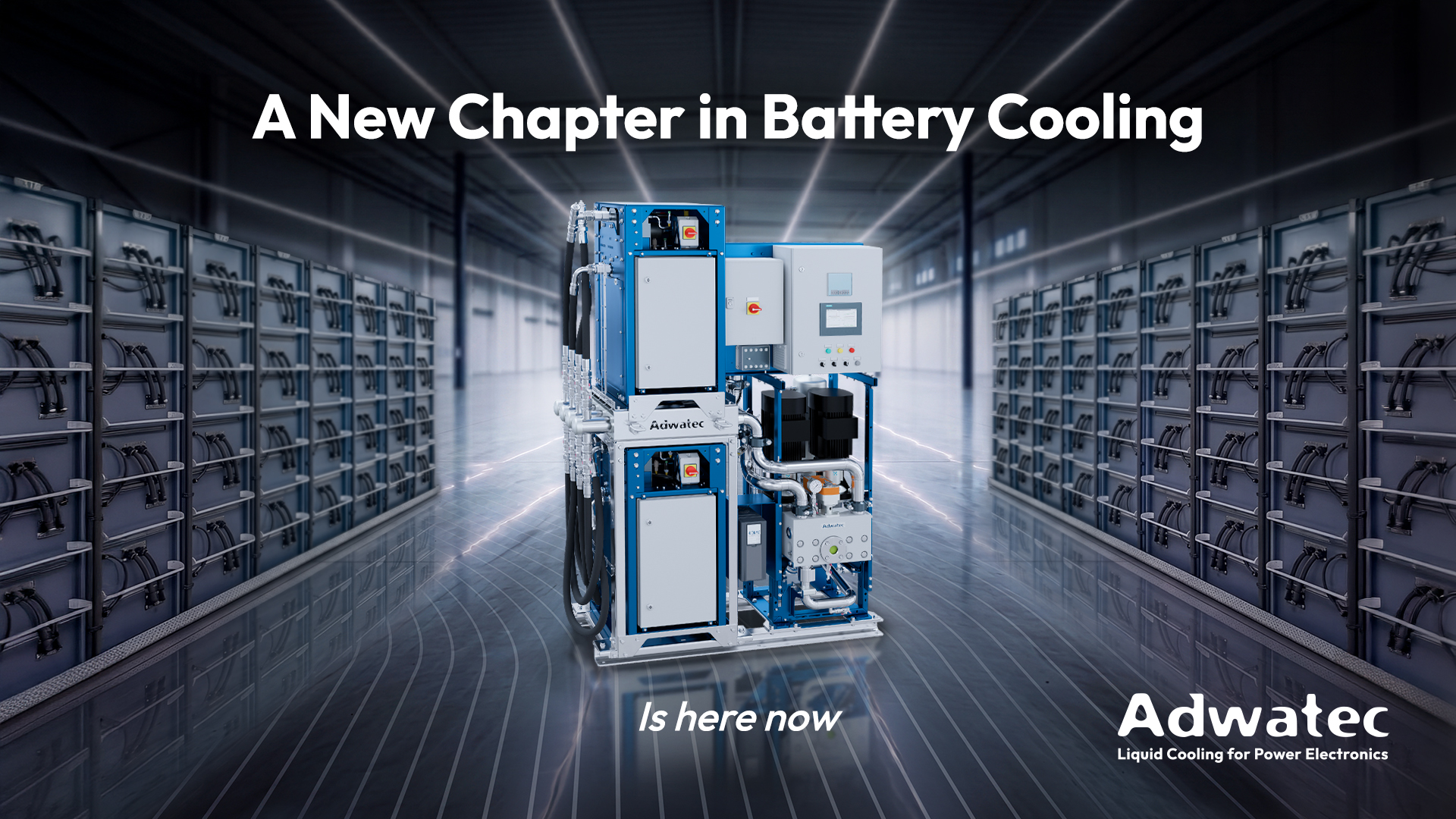
Our CCE Classic Series with Chiller is designed specifically for this application, offering scalable cooling capacity, VFD-controlled chiller modules for precise temperature regulation, and a marine-grade rack design tested for vibration. It supports both newbuilds and retrofits, making it a practical choice whether you are specifying a new vessel or upgrading an existing one. Read more about the solution and explore its key features on the product page.