When choosing a cooling system for an electric vessel, the most important factors are cooling capacity, water quality management, marine certification, and whether a modular or single-station setup best fits your installation. Electric vessels place high thermal demands on power electronics, and an undersized or poorly matched cooling system puts both equipment and uptime at risk. The questions below unpack each consideration in practical terms.
What types of cooling systems are used on electric vessels?
Electric vessels primarily use closed-loop liquid cooling systems that circulate the vessel’s own technical water through the power electronics and back through a heat exchanger. This is the standard approach for cooling propulsion systems, thrusters, converters, and battery systems aboard modern electric and hybrid vessels. In situations where technical water is unavailable, seawater can serve as a secondary cooling medium.
Closed-loop systems are preferred because they protect sensitive power electronics from contamination, allow precise control of coolant temperature and flow, and support the water quality requirements that high-performance components demand. The marine applications we provide cooling solutions for include propulsion systems, thrusters, winches, and battery and energy storage systems, all of which benefit from the stable thermal environment a closed-loop system delivers.
What cooling capacity does an electric vessel actually need?
The required cooling capacity depends directly on the total heat dissipation of the vessel’s power electronics, which varies with propulsion power, the number of converters or drives, battery system size, and duty cycle. There is no universal figure, but the cooling system must be sized to handle peak thermal loads without throttling performance or triggering thermal protection shutdowns.
Undersizing is a common and costly mistake. A correctly sized system runs efficiently under normal operating conditions while maintaining enough headroom for peak demand. Oversizing wastes energy and increases capital cost unnecessarily. Working from the actual heat loss specifications of each component, rather than rough estimates, is the most reliable path to a well-matched system. Our online cooling solution configurator is designed to help engineers size a station accurately from the start.
Why does water quality matter in a closed-loop cooling circuit?
Water quality in a closed-loop cooling circuit directly affects the longevity of power electronics and the reliability of the entire system. Poor water quality leads to corrosion, scaling, and electrical conductivity issues that can damage sensitive components and cause unplanned downtime. Many power electronics manufacturers specify strict water quality requirements, including limits on conductivity, pH, and dissolved oxygen.
Deionized water is often required in high-voltage applications because standard technical water carries enough ionic content to create leakage currents. Maintaining deionized water in a closed loop requires careful system design, including compatible materials throughout the circuit and monitoring of conductivity over time. Ignoring these requirements does not just void component warranties, it creates real failure risk in operation.
What marine certifications should a cooling system have?
A cooling system installed on a classed vessel should carry type approval from the relevant classification society, such as DNV, Lloyd’s Register, or Bureau Veritas. Type approval confirms that the product has been independently tested and verified to meet the structural, electrical, and operational standards required for use at sea. Without it, installation on a classed vessel may not be permitted.
DNV type approval is one of the most widely recognized and is accepted across a broad range of vessel types globally. Beyond type approval, compliance with relevant IEC standards and the ability to meet flag state requirements may also be necessary depending on the vessel’s trade area. Verifying certification before specifying a cooling station avoids expensive redesigns later in the project.
How does the installation environment affect cooling system choice?
The installation environment aboard an electric vessel shapes almost every aspect of cooling system selection, from physical dimensions and ingress protection rating to vibration resistance and material compatibility. Space is typically constrained in marine engine rooms, which means a compact footprint and flexible mounting options are practical requirements, not optional extras.
Vibration, humidity, and salt-laden air place demands on enclosures, connectors, and internal components that land-based equipment is not designed to withstand. A cooling station built for marine use should be tested for vibration resistance and constructed with materials suited to the onboard environment. The available cooling source, whether technical water or an alternative, also varies by vessel type and must be confirmed during system specification.
Should an electric vessel use a single cooling station or a modular setup?
For most electric vessel applications, a modular cooling setup offers better reliability, scalability, and maintenance flexibility than a single-station approach. Modular architecture means that if one unit requires service or fails, the remaining units continue operating, which is critical for vessels where cooling downtime directly affects propulsion or safety systems.
Single cooling stations can be appropriate for smaller vessels with straightforward thermal loads and limited installation space. However, as battery capacities grow and power electronics become more complex, the ability to scale cooling capacity by adding modules becomes a significant operational advantage. Modular systems also simplify future upgrades, whether for a newbuild or a retrofit, without requiring a full system replacement.
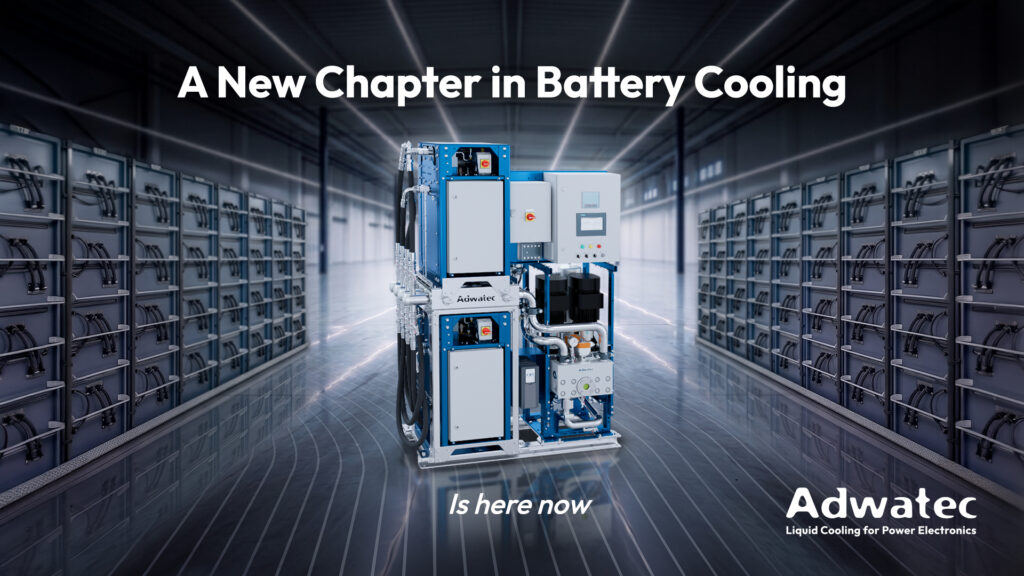
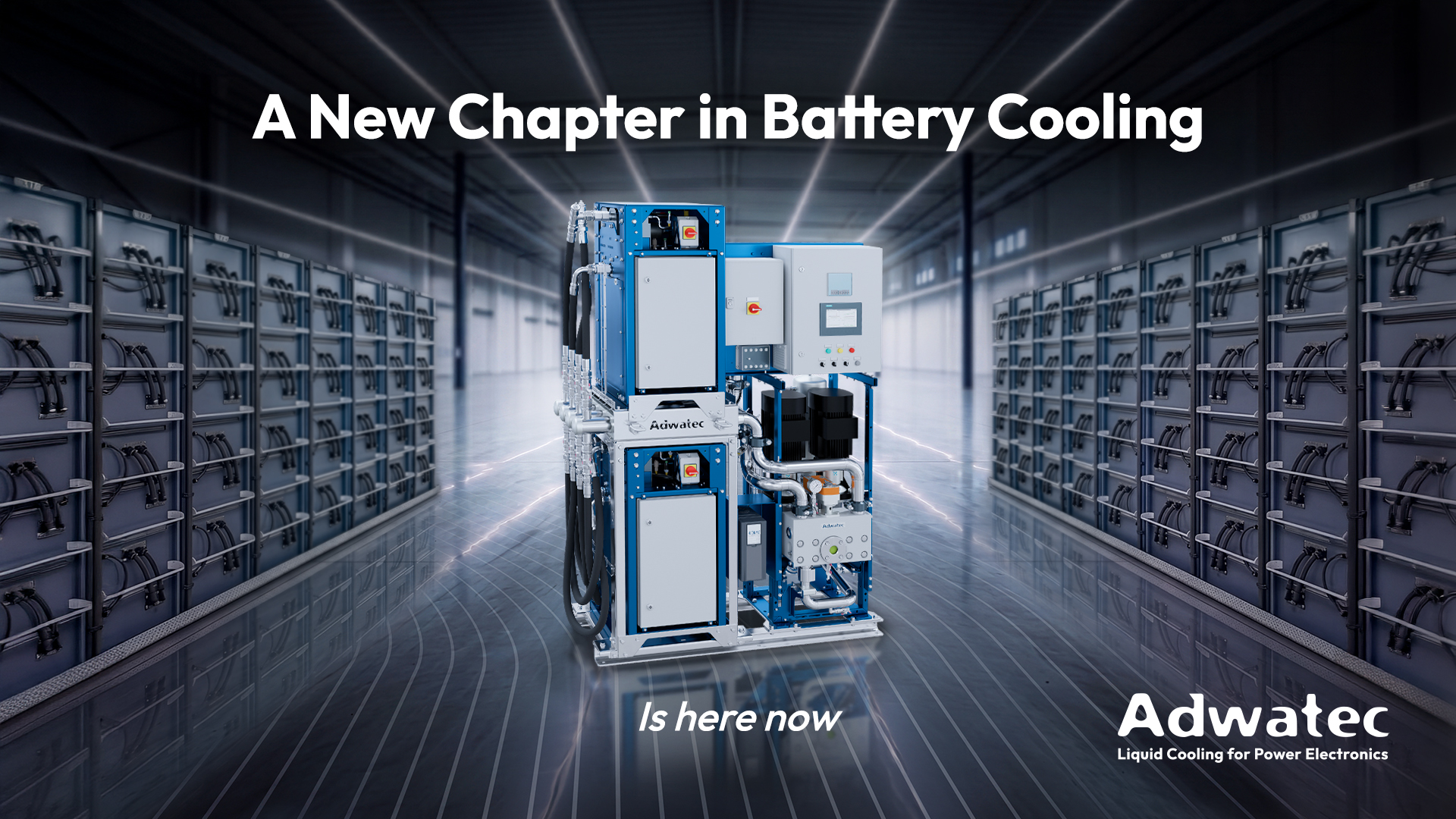
For battery cooling specifically, our CCE Classic Series with Chiller is built on exactly this principle, with independent chiller modules that provide redundancy, scalable capacity up to 120 kW, and continued operation even during a single-unit failure. Read more about the solution and explore its key features on the product page.