Modern vessels depend on power electronics more than ever before. From propulsion systems to energy storage, the components driving today’s ships generate significant heat, and managing that heat effectively is critical to safe, efficient operation. A closed-loop water cooling system has become the preferred solution for protecting this equipment at sea, offering a level of thermal control that other approaches simply cannot match in marine environments.
Understanding how these systems work, and why they matter specifically on ships, helps explain why so many vessel operators and shipbuilders are moving toward dedicated marine water cooling as a standard rather than an afterthought.
How a closed-loop circuit protects marine power electronics
A closed-loop cooling circuit works by continuously circulating coolant through a sealed system, absorbing heat from power electronics and transferring it to a heat exchanger before returning the cooled liquid to the components. Because the coolant never leaves the circuit, it stays clean, controlled, and chemically stable throughout its operational life.
This matters enormously for sensitive power electronics. Contaminants, salinity, and moisture are constant threats aboard a vessel, and an open pathway to the outside environment would introduce all of these risks directly to critical components. The closed loop eliminates that vulnerability entirely, keeping the cooling medium isolated from the harsh marine surroundings while still dissipating heat effectively.
Key components that make the system work
A well-designed closed-loop cooling system brings together several core components that each play a specific role in maintaining stable temperatures. Pumps circulate the coolant continuously, while heat exchangers transfer thermal energy away from the loop. Temperature sensors and flow monitors feed data to a control system that adjusts pump speeds and valve positions automatically in response to changing heat loads.
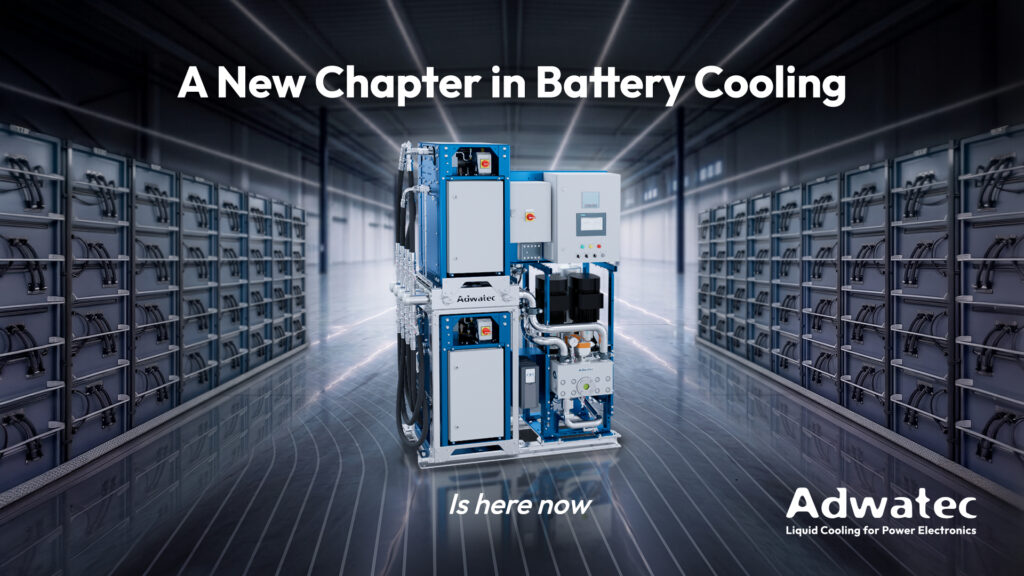
In marine cooling stations, the heat exchanger typically transfers heat to the vessel’s own technical water supply, which serves as the primary cooling medium. Seawater is used as a secondary option only when technical water is not available. This design choice reflects both practical reliability and a commitment to reducing environmental impact across the cooling process.
Why ships face unique cooling challenges
Marine environments push cooling systems harder than most industrial settings. Vibration, humidity, salt air, and constantly changing ambient conditions all affect how cooling equipment performs and how long it lasts. Space is also tightly constrained on vessels, meaning bulky or inefficient systems simply are not viable.
Beyond the physical environment, the consequences of cooling failure at sea are far more serious than in a land-based facility. When power electronics overheat, they reduce output to protect themselves, which can compromise propulsion or other essential systems at exactly the wrong moment. Reliable power electronics cooling in marine applications is not just a performance consideration, it is a safety one.
Closed-loop vs. open-loop cooling on vessels
Open-loop systems draw cooling water in, pass it through the system, and discharge it, which introduces a continuous stream of potential contaminants and requires more complex filtration and maintenance. On a vessel, this approach also creates greater dependency on the quality and availability of the external water source at any given time.
A closed-loop ship cooling system, by contrast, recirculates the same carefully managed coolant indefinitely. This keeps coolant quality consistent, reduces the risk of corrosion or scaling inside the circuit, and allows for precise chemical treatment of the water. For power electronics that demand stable, predictable thermal conditions, the closed loop is the more dependable choice.
Efficiency and maintenance benefits over time
Water has roughly 25 times higher thermal conductivity than air, which means a water-based cooling circuit can remove heat far more effectively from the same footprint. This translates directly into smaller, more compact installations that free up valuable space on board without sacrificing cooling capacity.
From a maintenance perspective, closed-loop systems benefit from fewer moving parts exposed to contaminants, no air filters to replace, and consistent coolant conditions that reduce wear on internal components. Over the operational life of a vessel, this adds up to lower maintenance costs and fewer unplanned outages. We have been building and refining marine cooling stations since 2007, and our solutions are currently installed on more than 500 vessels globally. The marine applications we provide cooling solutions for include propulsion systems, thrusters, winches, and battery and energy storage systems, covering both essential and non-essential use cases across a wide range of vessel types.
At Adwatec, we have developed specialized cooling solutions for demanding industrial applications over our 25+ years of experience. The marine applications we provide cooling solutions for include propulsion systems, thrusters, winches, and battery and energy storage systems. We provide solutions using primarily the vessel’s technical water system, with seawater as a secondary option when technical water is unavailable. Our modular cooling stations enable precise thermal management that maximizes power electronics performance while minimizing space and energy requirements. Learn more about why you should choose us for your next cooling project.
marine references
-
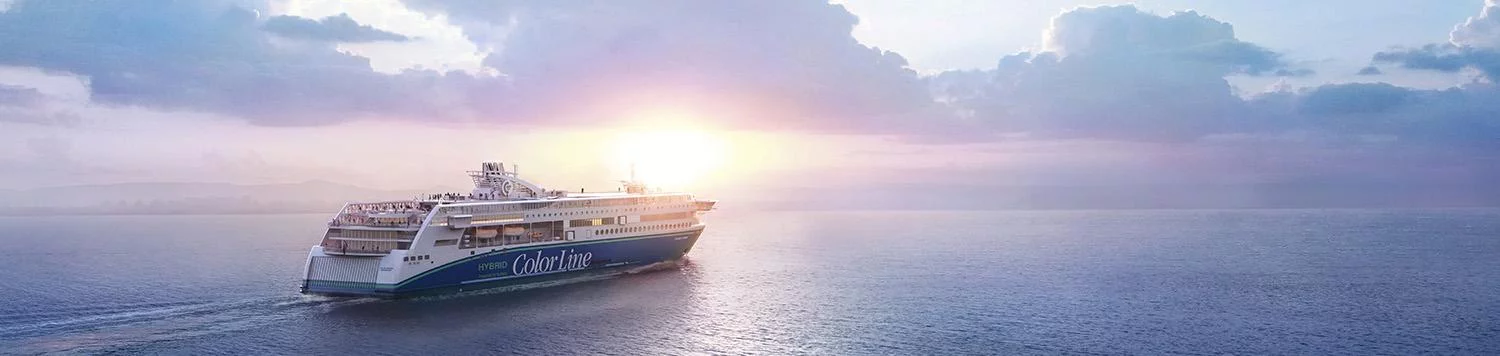
Ulstein Color Hybrid. Battery cooling for a revolutionary hybrid vessel Adwatec was part of a completely new kind of project within the marine industry when the company won a contract and was to deliver the solution that will cool down the batteries of the world’s largest plug-in hybrid vessel. Key Benefits of Adwatec’s cooling solution:…
-
Water cooling in industrial power grid. Three L-range Adwatec cooling systems take care of SVC applications in industrial power grid. Details about the project:
-

Cooling system for large STATCOM application. Three L-range Adwatec cooling systems take care of STATCOM application in a traction power grid. About the project: