Battery overheating in shore-based energy storage systems is most commonly caused by inadequate thermal management, high ambient temperatures, and the sustained high-power cycling that grid-connected batteries routinely experience. Unlike mobile or marine applications, shore-based ESS units often operate in enclosed buildings or outdoor enclosures where heat dissipation is more challenging. The sections below unpack the root causes, the unique risks of shore-based installations, and the most effective ways to prevent thermal runaway.
What happens inside a battery when it overheats?
When a battery overheats, the electrochemical reactions inside its cells accelerate beyond safe limits. Excess heat breaks down the electrolyte, degrades the separator between the anode and cathode, and can trigger a self-reinforcing process known as thermal runaway, where the cell generates more heat than it can release, leading to rapid capacity loss, fire risk, or catastrophic failure.
At the cell level, even moderate temperature rises above the recommended operating range cause lithium-ion batteries to age faster. The solid electrolyte interphase layer thickens, internal resistance increases, and usable capacity shrinks with each cycle. Once temperatures climb into the danger zone, gas venting begins, and if the heat is not removed quickly, adjacent cells can be drawn into the same runaway reaction. This is why battery thermal management is not a secondary concern but a fundamental design requirement for any energy storage system.
What are the most common causes of battery overheating in shore-based ESS?
The most common causes of battery overheating in shore-based energy storage systems are insufficient cooling capacity, high ambient temperatures inside the installation enclosure, aggressive charge and discharge cycles, and poor airflow or thermal design around the battery modules. Any one of these factors alone can raise cell temperatures to harmful levels; in combination, the risk compounds quickly.
Shore-based ESS installations are frequently called on to absorb or release large amounts of energy in short periods, supporting grid frequency regulation, peak shaving, or renewable integration. This high-power cycling generates significant internal heat. If the cooling system is undersized or intermittent, heat accumulates faster than it is removed. Enclosures located in warm climates or poorly ventilated buildings add an external heat load on top of the internally generated one. Faulty temperature sensors or control software that misreads battery temperature can also delay the cooling response until damage is already underway.
How does a shore-based installation differ from other ESS environments?
Shore-based energy storage installations differ from marine or industrial ESS environments primarily in their exposure to variable ambient conditions, the scale of power demands placed on them, and the absence of a moving platform’s natural airflow. A grid-connected battery system on land must handle wide seasonal temperature swings, high humidity in some regions, and continuous operation without the maintenance flexibility that smaller or mobile applications might allow.
In marine applications, the vessel’s own technical water system provides a reliable and consistent cooling source for power electronics and battery systems. Shore-based installations do not have that built-in resource and must instead rely entirely on purpose-built cooling infrastructure. This places a greater burden on the cooling station design to deliver stable coolant temperature, flow, and pressure across all operating conditions. The scale is also typically larger: grid-connected ESS units can range from hundreds of kilowatts to multiple megawatts, meaning that even small inefficiencies in thermal management translate into significant energy losses and accelerated battery degradation.
What cooling method is best for shore-based energy storage systems?
Liquid cooling is the most effective method for managing battery temperature in shore-based energy storage systems. Compared to air cooling, liquid cooling transfers heat far more efficiently, maintains tighter temperature uniformity across battery modules, and scales well to the high power densities that modern grid-connected ESS demands. Closed-loop liquid cooling with precise flow and temperature control is the industry-preferred approach for large-scale installations.
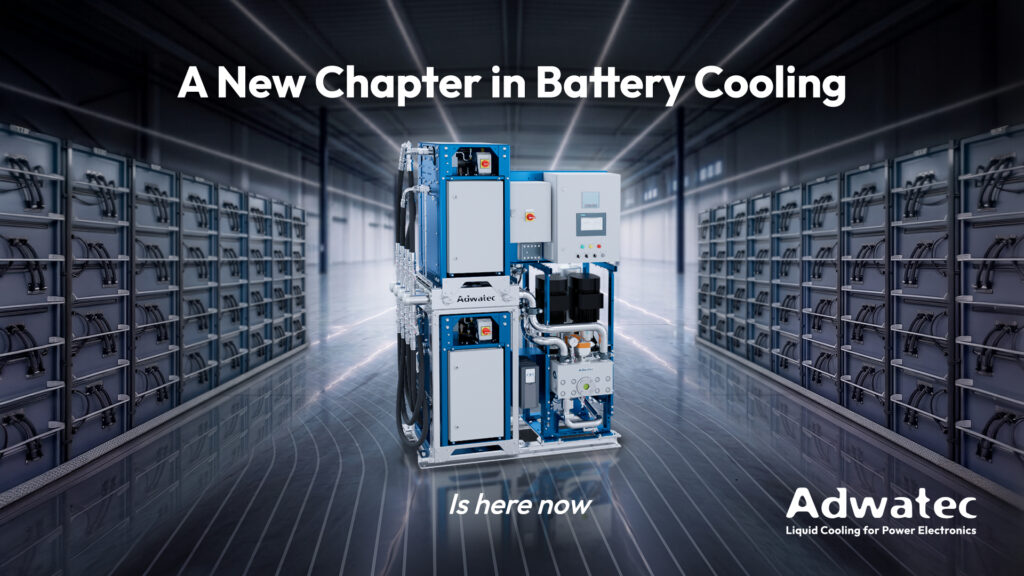
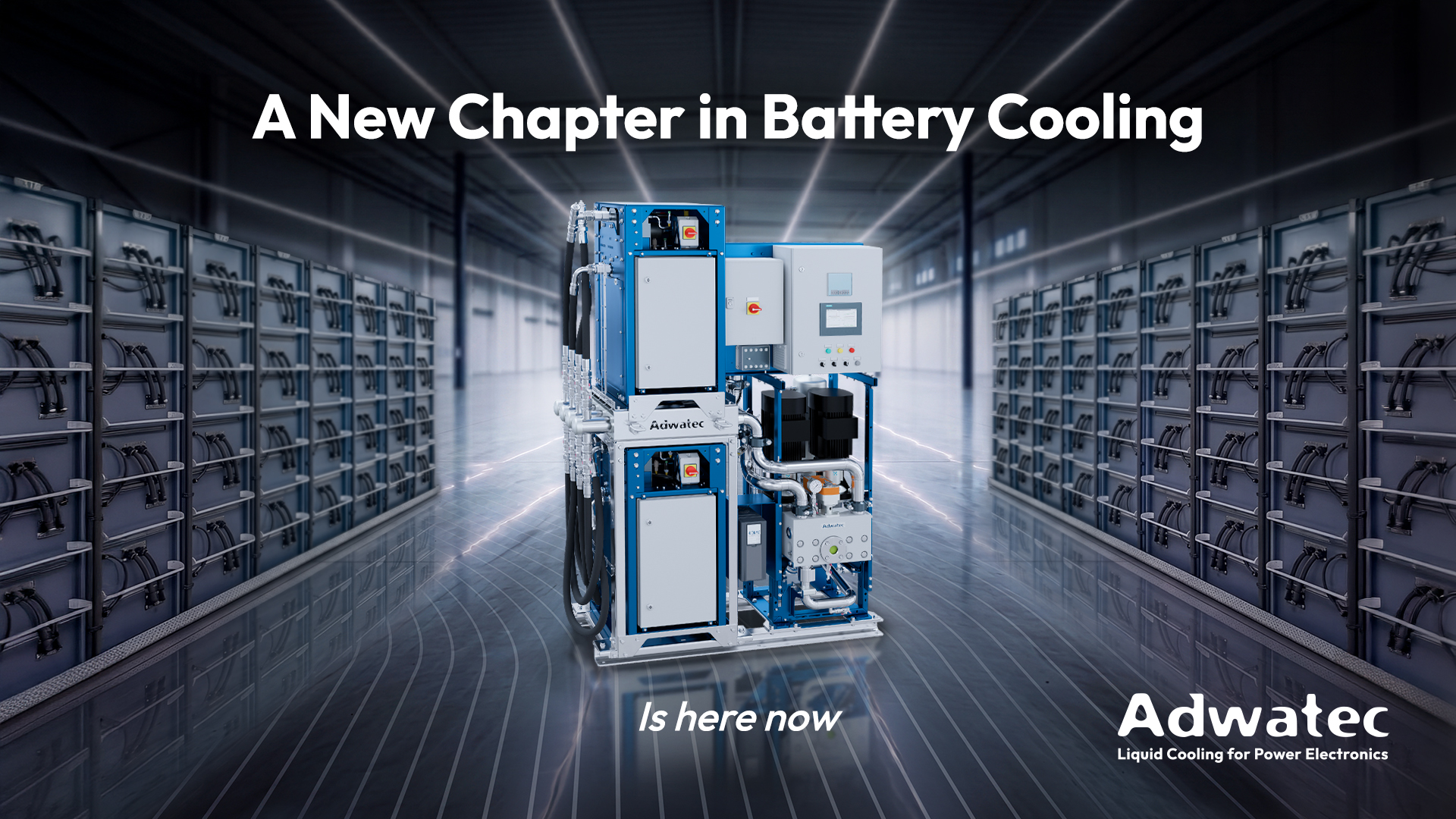
A well-designed liquid cooling system circulates coolant directly through or around battery modules, removing heat at the source rather than relying on ambient air to carry it away. For shore-based applications where coolant temperatures need to drop below what the ambient environment naturally provides, chiller modules are essential. Our CCE Classic Series with Chiller is built specifically for this requirement, combining closed-loop cooling architecture with VFD-controlled chiller units that regulate coolant temperature, flow, and pressure with precision. The modular design allows cooling capacity to scale with battery size and power demand, and redundancy is maintained through multiple independent chiller units so that a single-unit failure does not interrupt operation.
How can battery overheating in shore-based ESS be prevented?
Battery overheating in shore-based energy storage systems can be prevented through accurate coolant temperature control, correctly sized cooling capacity, continuous monitoring of battery thermal conditions, and a system design that accounts for peak power demands rather than average loads. Prevention starts at the design stage and depends on maintaining consistent thermal conditions throughout the battery’s operating life.
- Right-size the cooling system: A cooling station must be specified for the worst-case thermal load, not the average one. Undersized systems fall behind during peak cycling events and allow temperatures to drift upward.
- Use closed-loop liquid cooling with chiller support: Closed-loop systems prevent contamination and allow precise control. Chiller modules ensure coolant stays within the battery’s optimal temperature range even when ambient conditions are unfavorable.
- Monitor temperature, flow, and pressure continuously: Real-time data from sensors throughout the cooling circuit allows the control system to respond immediately to any deviation before it becomes a thermal event.
- Plan for redundancy: Modular cooling architectures where individual units can be replaced or serviced without shutting down the entire system protect against unexpected failures.
- Account for the installation environment: Enclosure design, ventilation, and site-specific climate conditions should all be factored into the cooling specification from the outset.
Consistent, proactive thermal management extends battery service life, protects the investment in the energy storage system, and reduces the risk of costly downtime or safety incidents. Read more about the solution and explore its key features on the CCE Classic Series with Chiller product page.