The hidden costs of inadequate cooling on marine vessels go well beyond the price of a replacement component. When power electronics overheat, the consequences ripple through unplanned downtime, accelerated equipment degradation, failed regulatory audits, and in the worst cases, safety incidents that put crew and cargo at risk. For vessel operators investing in electrified or hybrid configurations, poor thermal management is one of the most expensive engineering oversights possible.
The marine applications we provide cooling solutions for include propulsion systems, thrusters, winches, and battery and energy storage systems. Each of these generates significant heat under load, and each depends on reliable cooling to perform safely over the long term. The questions below unpack the key factors behind marine power electronics overheating and explain why getting cooling right from the outset matters so much.
What causes power electronics to overheat on ships?
Power electronics on ships overheat when heat generated during operation cannot be transferred away quickly enough to maintain safe component temperatures. The root causes include undersized cooling systems, inadequate coolant flow, high ambient temperatures in engine rooms, and the growing density of electronics in modern electrified vessels. Any one of these factors can push components beyond their thermal limits.
Modern vessels carry inverters, converters, drives, and energy storage systems that generate substantial heat during normal operation. Unlike simpler electrical equipment, these components have tight thermal tolerances. Even brief excursions above rated temperatures can degrade insulation, damage semiconductors, and reduce the lifespan of the entire power system. On vessels running demanding duty cycles, such as offshore support ships or ferries making frequent port calls, the thermal load on electronics is continuous and intense.
Closed-loop water cooling addresses these causes directly by continuously circulating coolant through the system, absorbing heat at the source and transferring it away before temperatures can climb. Without a properly engineered cooling circuit, the only alternative is relying on ambient airflow, which is rarely sufficient for high-density marine power electronics.
How do high ambient temperatures affect power electronics on vessels?
High ambient temperatures reduce the cooling headroom available to power electronics, meaning the gap between component operating temperature and the surrounding air shrinks. When engine rooms or equipment spaces run hot, air-cooled systems struggle to dissipate heat effectively, and even water-cooled systems must work harder to maintain target temperatures. The result is elevated component temperatures, reduced performance, and faster degradation.
In marine environments, ambient temperatures in machinery spaces can rise significantly above deck-level conditions, particularly in tropical climates or during heavy operational loads. Power electronics rated for a specific thermal envelope can find themselves operating close to or at their limits under these conditions, increasing the risk of thermal shutdowns or permanent damage.
Water-cooled marine systems are far less sensitive to ambient air temperature than air-cooled alternatives, because the closed-loop coolant circuit relies on the vessel’s technical water system as the primary heat sink rather than the surrounding air. This makes liquid cooling the preferred solution for vessels operating across a wide range of climates and duty cycles.
Why is cooling system sizing important for marine applications?
Correct sizing of a marine cooling system is critical because an undersized system cannot remove heat fast enough under peak load, while an oversized system wastes energy, takes up valuable space, and adds unnecessary cost. Proper sizing ensures the cooling station matches the actual thermal output of the power electronics it serves, across all expected operating conditions.
Oversizing and undersizing both carry real penalties in marine applications. An undersized cooling system will allow temperatures to creep upward during demanding operations, shortening component life and increasing the risk of thermal shutdowns. An oversized system may run inefficiently, consuming more energy than necessary and occupying space that is always at a premium aboard vessels.
Getting sizing right requires understanding the peak heat load of each cooled component, the expected duty cycle, and the thermal capacity of the available technical water supply. This is why configurable, modular cooling stations are particularly well suited to marine applications. Our online water cooling configurator allows customers to design a correctly sized solution for their specific application, reducing the risk of both under- and over-engineering from the outset.
Which marine systems require reliable water cooling?
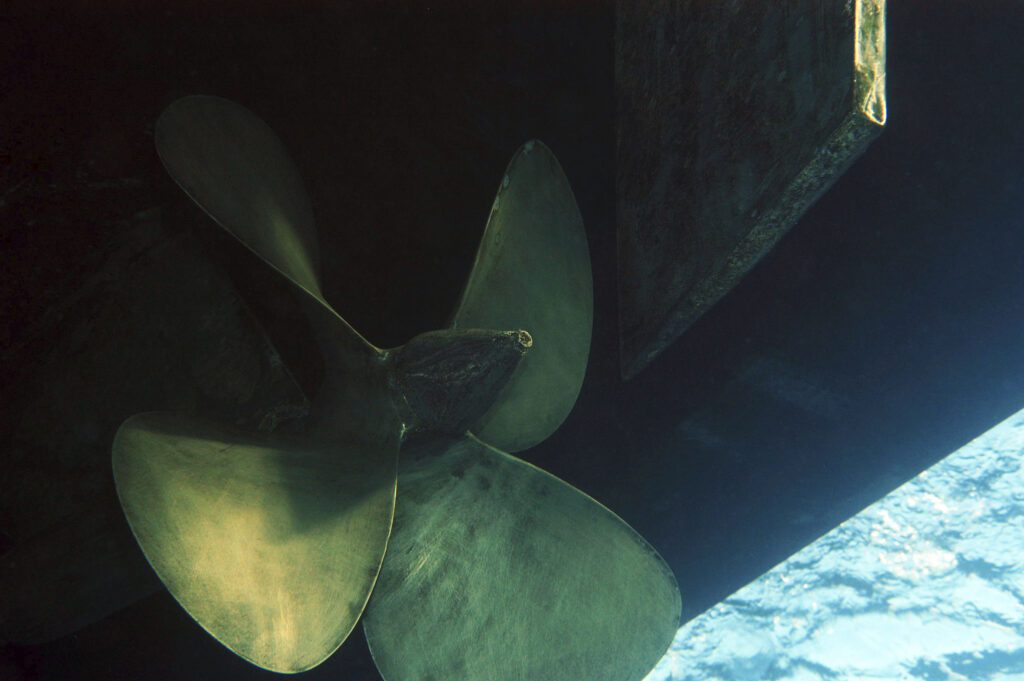
The marine applications that require reliable water cooling are those that generate high heat loads during operation and cannot tolerate thermal instability. These include propulsion systems, thrusters, winches, and battery and energy storage systems. Each of these involves power electronics that must operate continuously and safely under demanding conditions at sea.
- Propulsion systems: Drives and converters powering electric or hybrid propulsion generate sustained heat loads and require consistent thermal management to maintain vessel speed and maneuverability.
- Thrusters: Bow and stern thrusters used for dynamic positioning and port maneuvering cycle on and off frequently, creating variable but significant thermal demands.
- Winches: Electrically driven winches used in offshore and fishing applications involve high-current electronics that generate heat during load operations.
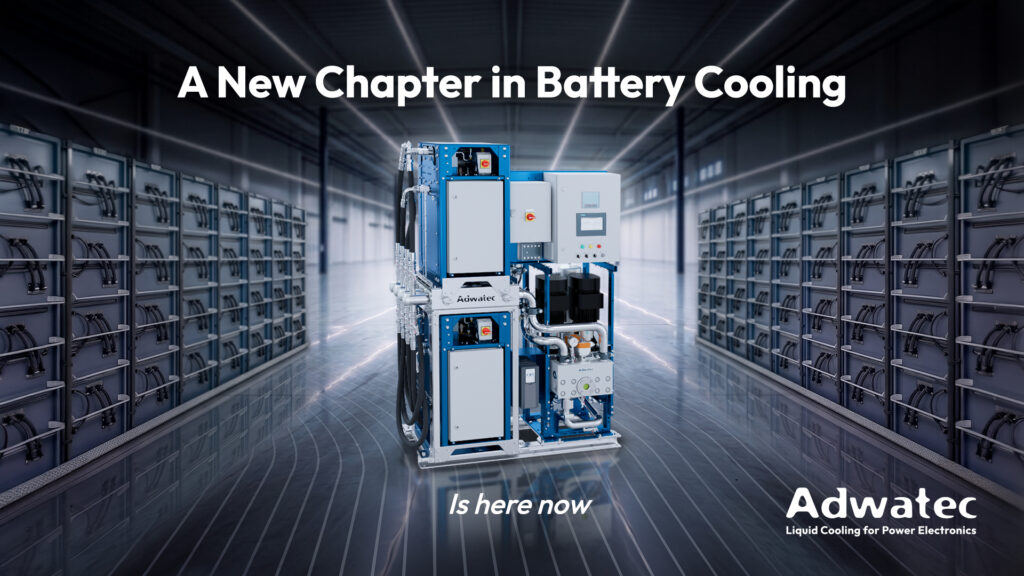
- Battery and energy storage systems: As hybrid and fully electric vessels become more common, battery systems represent one of the fastest-growing sources of thermal management demand. Batteries and their associated power electronics require precise temperature control to operate safely and maintain cycle life.
The electrification of the maritime sector continues to expand the range of systems that depend on reliable cooling. As more onboard functions shift to electric drives, the volume and density of heat-generating electronics aboard modern vessels increase accordingly.
What are the hidden costs of inadequate cooling on marine vessels?
The hidden costs of inadequate cooling on marine vessels include unplanned downtime, premature component failure, higher maintenance frequency, reduced energy efficiency, and potential regulatory non-compliance. These costs accumulate quietly over time and often far exceed the upfront investment in a properly engineered cooling system for marine power electronics.
Unplanned downtime is typically the most immediately visible cost. When a thermal shutdown occurs at sea, the vessel may lose propulsion capability, miss operational windows, or require emergency port calls. The cost of a single unplanned stoppage, including lost revenue, emergency service, and potential cargo claims, can dwarf the cost of the cooling equipment that would have prevented it.
Premature equipment degradation is a slower but equally significant cost. Power electronics operating above their thermal design point experience accelerated wear on insulation, solder joints, and semiconductor junctions. Components that should last the lifetime of a vessel may require replacement years ahead of schedule, driving up capital expenditure and increasing the complexity of maintenance planning.
Energy efficiency also suffers when cooling is inadequate. Thermal stress causes power electronics to operate less efficiently, drawing more current and generating more heat in a self-reinforcing cycle. Over the lifetime of a vessel, this additional energy consumption adds up to a meaningful operating cost.
Finally, vessels must meet classification society requirements for installed equipment. Cooling systems that fail to maintain components within rated thermal limits can create compliance issues during surveys, adding regulatory risk to an already complex operational picture. Investing in correctly sized, certified marine vessel cooling from the start is the most reliable way to avoid all of these compounding costs.
Why choose Adwatec for marine water cooling?
We have been dedicated to water cooling solutions since 2007, and our products are installed aboard more than 500 vessels globally. Our DNV type-approved C-series cooling stations are accepted for installation on all vessels classed by DNV, simplifying the certification process for shipbuilders and system integrators. Our modular designs allow cooling stations to be configured precisely for each application, and our online configurator makes it straightforward to specify the right solution from the start.
Beyond the hardware, our approach to marine cooling is built around long-term operational performance. Compact, correctly sized designs minimize energy consumption, while eco-mode control reduces load during periods of lower thermal demand. Closed-loop systems limit contaminant exposure, extending service intervals and reducing the maintenance burden for operators managing vessels across long voyages or remote routes.
If you are evaluating cooling solutions for a new build or retrofit project, we are ready to help you find the right fit. Learn why customers choose us for their marine power electronics cooling needs.