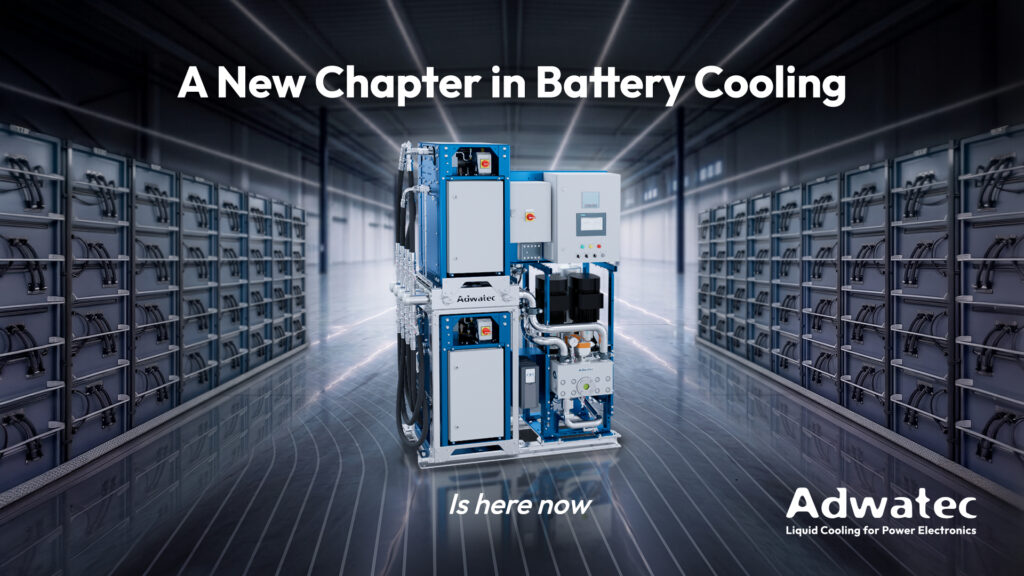
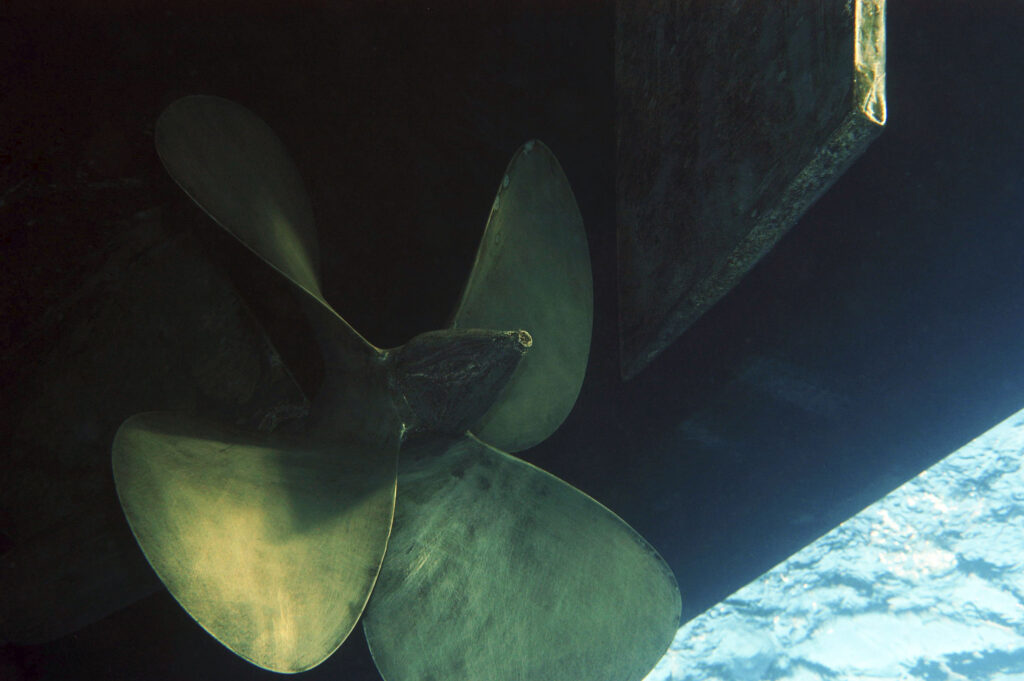
Marine power electronics operate in one of the most demanding environments imaginable. Salt air, constant vibration, humidity, and the relentless pressure to keep critical systems running without interruption make thermal management a genuine engineering challenge. Water cooling marine applications have become the preferred approach for vessel operators who need consistent, reliable performance from their power electronics, and understanding why starts with the conditions these systems face every day at sea.
We have been delivering water cooling solutions since 2007, with our cooling stations now installed on more than 500 vessels globally. That experience has given us a clear picture of what works, what fails, and what marine environments truly demand from a cooling system.
The unique thermal challenges of marine power electronics
Power electronics onboard vessels generate significant heat loads, and the consequences of inadequate cooling are serious. When components overheat, they throttle output to protect themselves, reducing performance capacity and accelerating wear. In a marine setting, that kind of thermal stress can cascade into unexpected downtime at exactly the wrong moment.
The marine environment compounds these challenges in ways land-based installations never face. Constant vibration, high ambient humidity, and salt-laden air all create conditions where traditional air cooling struggles to perform reliably. Airflow-dependent systems also require ducting, filters, and fan access that consume valuable space on vessels where every cubic metre counts. The marine applications we provide cooling solutions for include propulsion systems, thrusters, winches, and battery and energy storage systems, all of which demand stable, uninterrupted thermal management to operate safely.
How closed-loop water cooling handles marine conditions
Closed-loop marine cooling systems address the harsh onboard environment by keeping coolant contained within a sealed circuit, completely isolated from the surrounding atmosphere. This design prevents salt air and moisture from contaminating the coolant or corroding internal components, which is a critical advantage in marine conditions.
The primary cooling medium in our systems is the vessel’s own technical water supply, which provides a reliable and readily available heat sink for the closed loop. Seawater is used only as a secondary option when technical water is not available. Heat absorbed from power electronics travels through the closed loop to a heat exchanger, where it transfers to the primary cooling medium before the cooled liquid returns to the components. Modern systems incorporate temperature sensors, flow monitors, and intelligent controls that automatically adjust pump speeds and valve positions to maintain precise thermal conditions regardless of changing heat loads or sea conditions.
Key performance benefits for onboard power systems
Water carries approximately 25 times more thermal energy per unit volume than air, which means a compact closed-loop system can manage heat loads that would require bulky air cooling infrastructure. This translates directly into better performance stability for onboard power electronics, allowing components to run at full capacity rather than throttling under thermal pressure.
The space efficiency of marine water cooling is equally significant. Eliminating large heat sinks, fans, and ducting frees up cabinet space and simplifies system layout in constrained engine rooms and switchboard compartments. Water cooling also operates quietly compared to banks of cooling fans, and without air filters to maintain, routine upkeep is considerably simpler. Over the operational life of a vessel, these advantages add up to lower maintenance costs and fewer unplanned interruptions.
Marine certifications and what they mean for system reliability
Certification is not a formality in marine applications. It is a verified guarantee that a cooling system has been tested and validated for the specific stresses of vessel operation, including vibration, temperature extremes, and extended periods without maintenance access.
Our DNV type-approved C-series liquid cooling stations are accepted for installation on all vessels classed by DNV, one of the world’s leading maritime classification societies. DNV type approval means the system has been independently assessed against rigorous standards for both essential and non-essential onboard use. For vessel operators and shipbuilders, this certification significantly reduces integration risk and simplifies the approval process during new builds or retrofits. It is a practical assurance that the marine cooling system will perform as specified throughout its service life.
Choosing the right water cooling station for your vessel
Selecting the right cooling station depends on the specific power electronics being cooled, the available cooling medium onboard, space constraints, and classification requirements. A correctly sized system minimises energy use and operating costs without compromising thermal performance, which is why oversized or generic solutions rarely deliver the best outcome.
We offer modular cooling stations that can be customised to match the exact requirements of each application, and our online water cooling configurator makes it straightforward to design a solution around your specific needs. Whether the priority is a compact footprint, de-ionised water compatibility for sensitive equipment, or full DNV compliance for a new build, there is a configuration that fits. The right starting point is always a clear understanding of the heat load, the available infrastructure, and the classification requirements of the vessel, and we are ready to help work through those details from the first conversation.
At Adwatec, we have developed specialized cooling solutions for demanding industrial applications over our 25+ years of experience. The marine applications we provide cooling solutions for include propulsion systems, thrusters, winches, and battery and energy storage systems. We provide solutions using primarily the vessel’s technical water system, with seawater as a secondary option when technical water is unavailable. Our modular cooling stations enable precise thermal management that maximizes power electronics performance while minimizing space and energy requirements. Learn more about why you should choose us for your next cooling project.
marine references
-
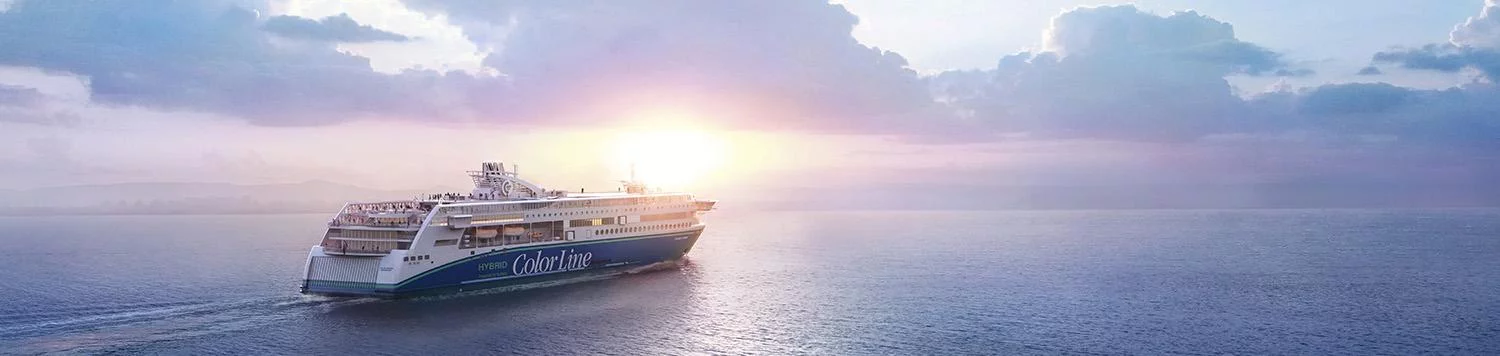
Ulstein Color Hybrid. Battery cooling for a revolutionary hybrid vessel Adwatec was part of a completely new kind of project within the marine industry when the company won a contract and was to deliver the solution that will cool down the batteries of the world’s largest plug-in hybrid vessel. Key Benefits of Adwatec’s cooling solution:…
-

Water cooling in industrial power grid. Three L-range Adwatec cooling systems take care of SVC applications in industrial power grid. Details about the project:
-

Cooling system for large STATCOM application. Three L-range Adwatec cooling systems take care of STATCOM application in a traction power grid. About the project: