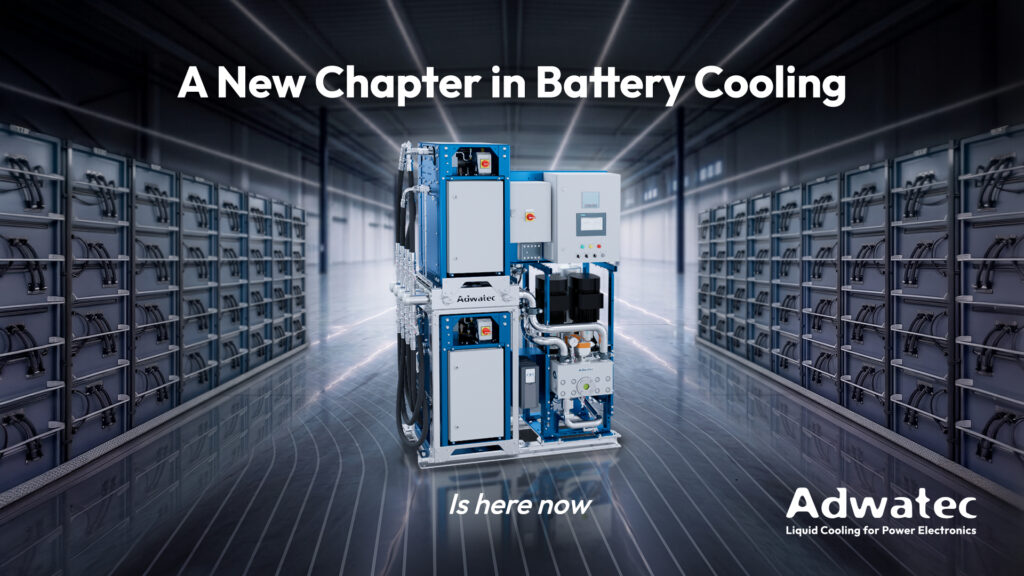
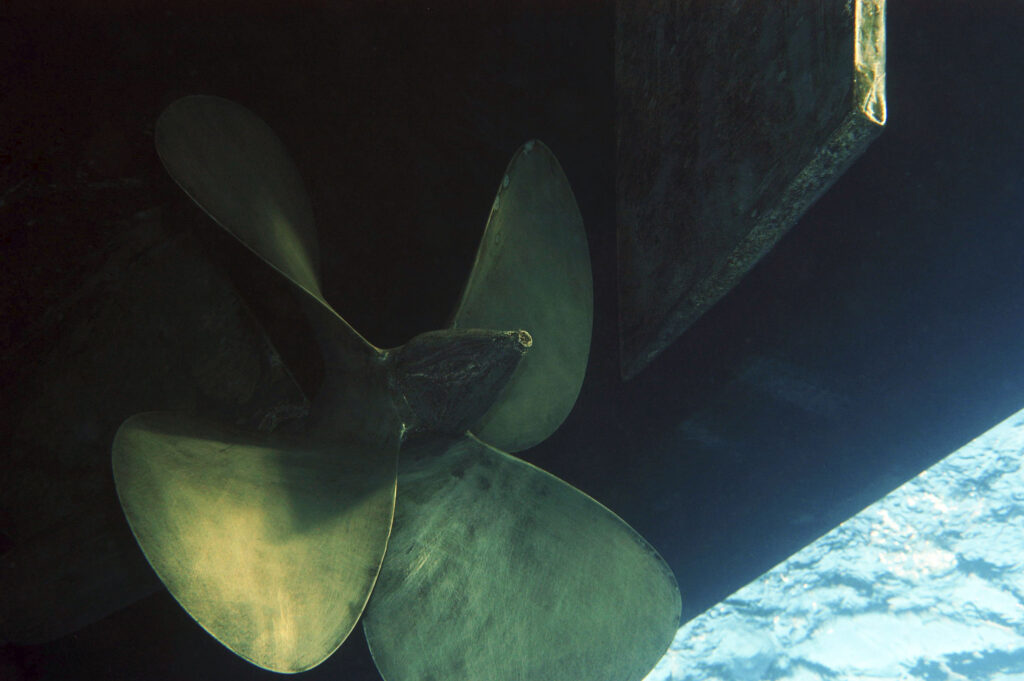
Marine vessels operate in some of the most demanding electrical environments imaginable. Salt air, constant vibration, humidity, and the relentless pressure of continuous operation push power electronics to their limits. As vessels become increasingly electrified, with propulsion systems, thrusters, winches, and battery and energy storage systems all drawing on sophisticated power electronics, keeping those components cool is no longer a secondary concern. It is a fundamental requirement for both safety and operational reliability.
Water cooling has become the preferred approach for managing heat in marine power electronics, and for good reason. Compared to air cooling, liquid cooling systems for marine applications offer far superior heat transfer efficiency in a compact footprint, which matters enormously aboard vessels where space is always at a premium. Understanding how these systems work, and what to look for when selecting one, helps vessel operators and engineers make confident, informed decisions.
The unique cooling demands of marine environments
Marine environments place exceptional stress on any cooling system. The combination of high ambient humidity, salt-laden air, and the mechanical vibration inherent to vessel operation creates conditions that would quickly degrade components not specifically designed for the challenge. Power electronics cooling aboard vessels must account for all of these factors simultaneously, while also meeting strict classification society requirements.
Beyond the physical environment, marine applications involve highly variable load profiles. Propulsion systems surge during acceleration and maneuvering, energy storage systems charge and discharge rapidly, and auxiliary systems cycle on and off throughout a voyage. A cooling system must respond dynamically to these fluctuations, maintaining safe operating temperatures across the full range of conditions rather than just at peak load.
How closed-loop water cooling protects onboard power electronics
Closed-loop water cooling systems circulate coolant in a sealed circuit, transferring heat away from power electronics and dissipating it through a heat exchanger. This approach isolates the sensitive electronics from the external environment entirely, which is a critical advantage in marine settings where moisture and contaminants are ever-present.
The primary cooling medium in a vessel’s closed loop is the ship’s own technical water supply. This keeps the system self-contained and avoids the complications of drawing on external sources during normal operation. The closed-loop design also allows precise control over coolant chemistry, which is especially important in systems using deionized water, such as those cooling Static Var Compensators and similar high-voltage equipment. By maintaining consistent coolant quality, the system protects both the electronics and the cooling circuit itself from corrosion and scaling over time.
Key safety benefits water cooling delivers on vessels
Effective thermal management is directly tied to vessel safety. Overheating is one of the leading causes of power electronics failure, and on a vessel, an unexpected failure in a propulsion or thruster system can have serious consequences. Marine electronics cooling that maintains components within their rated temperature range significantly reduces the risk of thermal runaway, insulation breakdown, and unplanned shutdowns.
Closed-loop liquid cooling also reduces the fire risk associated with heat buildup. Air-cooled systems draw ambient air across hot components, which can accelerate the spread of heat or contaminants in an enclosed machinery space. Water cooling on marine vessels with sealed circuits keeps heat transfer contained and controllable. Additionally, systems designed to marine classification standards, such as DNV type-approved cooling stations, provide documented assurance that the equipment meets established safety criteria for onboard installation.
Reliability over the long haul: maintenance and lifespan considerations
Vessel operators need cooling systems that perform consistently over years of continuous service, not just at commissioning. Reliability over the long term depends on both the quality of the initial design and how well the system supports ongoing maintenance.
Well-designed water cooling systems for marine applications incorporate features that simplify servicing without requiring extended downtime. Modular construction allows individual components to be inspected or replaced without overhauling the entire unit. Eco-mode control functionality reduces wear during periods of lower thermal demand, extending the service life of pumps and other active components. Closed-loop systems also tend to accumulate less contamination than open systems, which means fewer interventions and more predictable maintenance schedules across the vessel’s operational life.
Choosing the right water cooling station for your vessel
Selecting a marine cooling solution starts with a clear picture of the application. Marine applications that require dedicated cooling solutions include propulsion systems, thrusters, winches, and battery and energy storage systems, each with different heat loads, duty cycles, and space constraints. A correctly sized system avoids both the inefficiency of oversized equipment and the risk of undersized cooling capacity during peak demand.
Marine approvals are a non-negotiable consideration. A cooling station that carries DNV type approval, for example, has been independently verified for installation on classed vessels, which simplifies the approval process and provides confidence in the equipment’s design. A compact footprint, easy installation, and the ability to configure the system to specific application requirements are practical factors that affect both the initial integration and the total cost of ownership over the vessel’s life. Modular, configurable systems offer the flexibility to match cooling capacity precisely to the application, rather than accepting an off-the-shelf compromise.
At Adwatec, we have developed specialized cooling solutions for demanding industrial applications over our 25+ years of experience. The marine applications we provide cooling solutions for include propulsion systems, thrusters, winches, and battery and energy storage systems. We provide solutions using primarily the vessel’s technical water system, with seawater as a secondary option when technical water is unavailable. Our modular cooling stations enable precise thermal management that maximizes power electronics performance while minimizing space and energy requirements. Learn more about why you should choose us for your next cooling project.
marine references
-
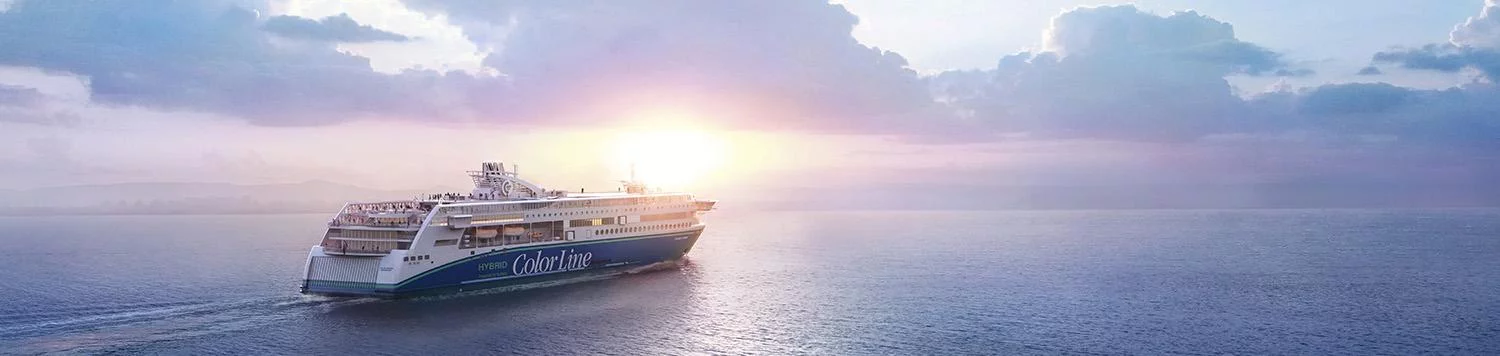
Ulstein Color Hybrid. Battery cooling for a revolutionary hybrid vessel Adwatec was part of a completely new kind of project within the marine industry when the company won a contract and was to deliver the solution that will cool down the batteries of the world’s largest plug-in hybrid vessel. Key Benefits of Adwatec’s cooling solution:…
-

Water cooling in industrial power grid. Three L-range Adwatec cooling systems take care of SVC applications in industrial power grid. Details about the project:
-

Cooling system for large STATCOM application. Three L-range Adwatec cooling systems take care of STATCOM application in a traction power grid. About the project: