Static Var Compensators (STATCOM) represent some of the most demanding power electronics applications in modern electrical grids, requiring precise thermal management to maintain optimal performance and reliability. These sophisticated systems generate substantial heat loads while operating in mission-critical environments where downtime can cost millions and affect grid stability across entire regions.
The complexity of STATCOM liquid cooling extends far beyond basic heat removal. These systems demand carefully engineered cooling solutions that balance flow rates, maintain strict temperature tolerances, and provide redundant protection against failures. Understanding these requirements becomes essential for engineers designing reliable power grid infrastructure that can withstand the increasing demands of renewable energy integration and grid modernization.
Why STATCOM Systems Require Specialized Liquid Cooling
STATCOM systems generate intense heat concentrations that air cooling simply cannot handle effectively. Power semiconductor devices within these compensators operate at high switching frequencies and carry substantial currents, creating heat densities that can exceed 100 watts per square centimeter in localized areas.
The electrical performance of STATCOM systems directly correlates with temperature control precision. Even minor temperature variations can affect switching characteristics, introduce harmonic distortion, and reduce overall system efficiency. Technical water cooling provides the thermal capacity and precision needed to maintain consistent junction temperatures across all operating conditions.
Grid-connected STATCOM installations face additional challenges, including ambient temperature fluctuations, dust contamination, and space constraints that make liquid cooling the most viable solution. The compact nature of modern power electronics packaging leaves no room for large air cooling systems, while liquid cooling delivers superior heat removal in minimal space.
Optimal Flow Rates for STATCOM Cooling Applications
Flow rate optimization in STATCOM cooling systems requires balancing heat transfer efficiency with pump energy consumption and system pressure drops. Typical flow rates range from 10 to 50 liters per minute per kilowatt of heat load, depending on the specific power electronics configuration and cooling circuit design.
Higher flow rates improve heat transfer coefficients but create diminishing returns beyond certain thresholds. The optimal flow rate occurs where the combined energy consumption of pumps and the thermal performance requirements reach equilibrium. This typically translates to coolant velocities between 1.5 and 3.0 meters per second through heat exchanger channels.
Variable flow control systems offer significant advantages in STATCOM applications by adjusting flow rates based on real-time heat loads. During periods of reduced power output, these systems can decrease pump speeds to minimize energy consumption while maintaining adequate cooling. This approach can reduce overall cooling system energy use by 30-40% compared to constant flow designs.
Temperature Control Requirements in Static Var Compensators
STATCOM temperature control demands precision that extends beyond simple heat removal to active temperature regulation within narrow operating windows. Power semiconductor junction temperatures must typically remain below 125°C, while maintaining temperature uniformity across parallel devices within ±5°C to prevent current imbalances.
Coolant inlet temperatures generally operate between 40-60°C, with temperature rises across the cooling circuit limited to 10-15°C to maintain consistent cooling performance throughout the system. These tight tolerances require sophisticated temperature monitoring and control systems that can respond rapidly to load changes and environmental variations.
The thermal time constants in STATCOM cooling systems create unique control challenges. While power electronics can experience instantaneous load changes, the thermal mass of cooling circuits introduces delays that require predictive control algorithms. Advanced cooling systems maintain temperature stability during rapid power transitions.
Redundancy Design for Mission-Critical STATCOM Cooling
Redundant cooling systems for STATCOM applications must provide continuous operation even during component failures, maintenance activities, or unexpected system faults. The most effective approach involves cooling circuits with independent pumps, heat exchangers, and control systems that can each handle 100% of the thermal load.
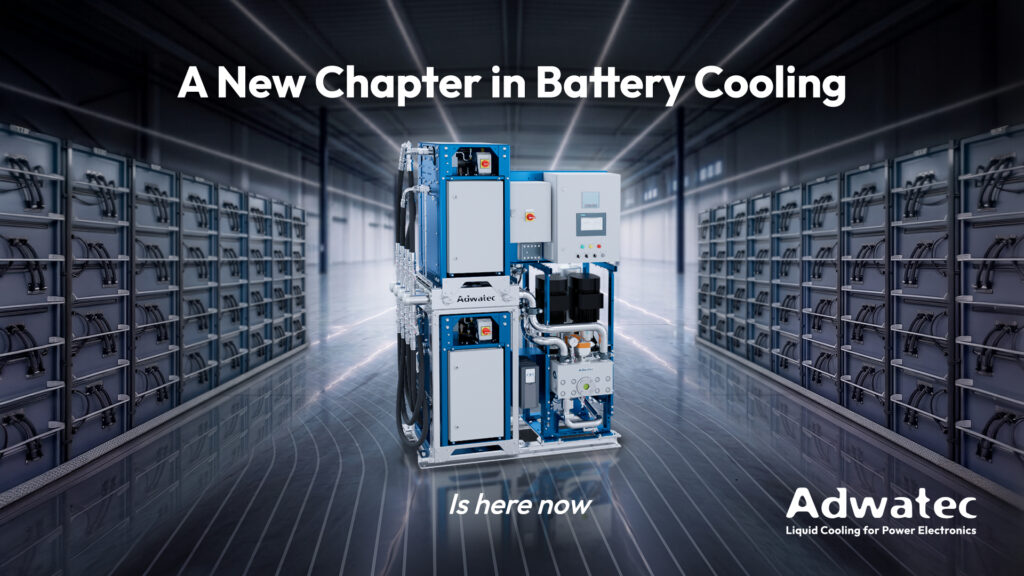
We design our L series cooling stations specifically for these demanding applications, incorporating built-in redundancy features and modular architectures that allow for easy maintenance without system shutdown. The modular approach enables selective component replacement while maintaining cooling capacity through parallel circuits.
Monitoring and Diagnostic Systems
Comprehensive monitoring systems track multiple parameters, including flow rates, temperatures, pressure differentials, and coolant quality indicators. These systems provide early warning of potential failures and enable predictive maintenance strategies that prevent unexpected downtime.
Common STATCOM Cooling Challenges and Solutions
Integration challenges arise when retrofitting cooling systems into existing STATCOM installations or coordinating with other facility systems. Space constraints, electrical interference, and maintenance access requirements often require custom cooling solutions that balance performance with practical installation considerations.
Looking ahead, the increasing power density of next-generation STATCOM systems will push cooling requirements even further, demanding more sophisticated thermal management approaches that combine precision control with energy efficiency.