Marine water cooling prevents equipment failures at sea by maintaining stable operating temperatures inside power electronics, even under heavy load and changing ambient conditions. Without active cooling, components such as power converters, drives, and inverters overheat rapidly, leading to thermal shutdowns, damaged parts, and costly emergency repairs. The sections below explore the specific causes of failure, how closed-loop cooling addresses them, and what a reliable marine cooling system should include.
What causes power electronics to fail on vessels?
Power electronics on vessels fail primarily because of excessive heat. Components like frequency converters, power drives, and inverters generate significant thermal energy during operation, and when that heat cannot escape fast enough, internal temperatures climb beyond safe limits. The result is component degradation, insulation breakdown, and eventual failure that can take critical systems offline mid-voyage.
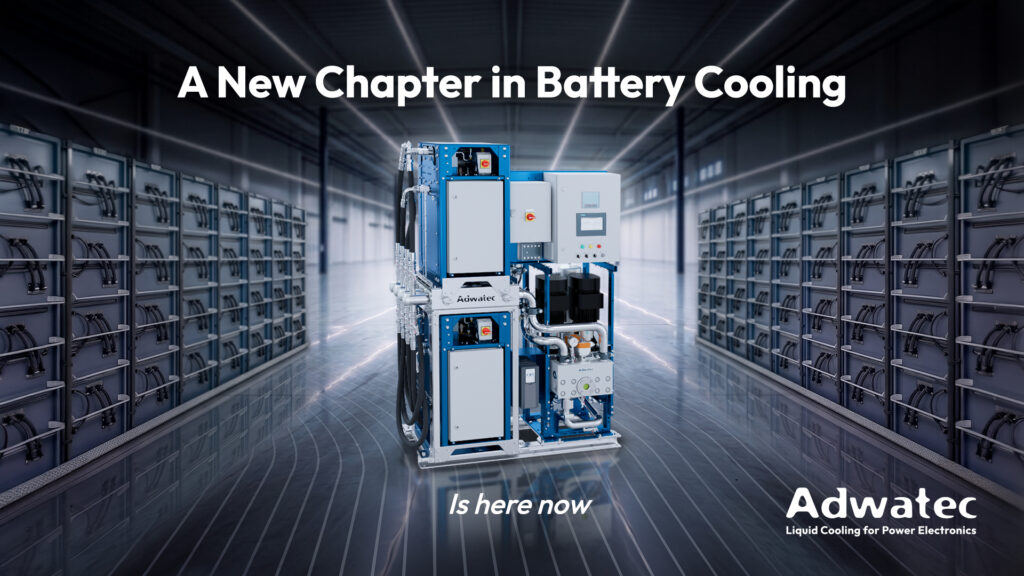
The challenge at sea is that ambient conditions are rarely stable. Engine rooms run hot, humidity is high, and equipment load fluctuates constantly depending on speed, weather, and operational demands. Air cooling alone struggles to cope with these conditions, particularly as power densities in modern electronics continue to rise. The marine applications we provide cooling solutions for include propulsion systems, thrusters, winches, and battery and energy storage systems, all of which demand consistent thermal management to function reliably.
When cooling is inadequate, the consequences extend well beyond a simple shutdown. You face costly component replacements, emergency port calls that disrupt schedules, and potential safety risks that put crew and cargo at risk. Poor thermal management also shortens equipment lifespan, forcing premature replacements that strain maintenance budgets.
How does closed-loop water cooling protect marine electronics?
Closed-loop water cooling protects marine electronics by circulating a controlled coolant directly through or around heat-generating components, removing thermal energy efficiently before it can accumulate to damaging levels. Because the circuit is sealed, the coolant quality remains consistent, protecting sensitive electronics from contamination, corrosion, and the variability of open cooling sources.
In a closed-loop system, the primary cooling medium is the vessel’s own technical water supply. This allows the system to reject heat without relying on external sources as the first option. The sealed circuit also means the coolant can be treated and monitored, which is especially important for de-ionized water applications used in high-voltage environments like Static Var Compensators and energy storage systems.
Compared to air cooling, water has a far greater capacity to carry heat away from components. This allows electronics to operate at their designed performance levels continuously, without thermal throttling or protective shutdowns that reduce output and reliability.
How can marine water cooling reduce unplanned downtime?
Marine water cooling reduces unplanned downtime by keeping power electronics within their safe operating temperature range at all times, eliminating the thermal stress that leads to sudden failures. When components run cool and stable, they last longer, behave predictably, and require less reactive maintenance.
Unplanned downtime at sea is particularly costly. An unexpected failure in a propulsion drive or thruster system can force an emergency port call, delay cargo delivery, and trigger expensive repair contracts under time pressure. A properly sized vessel cooling system removes this risk by addressing the root cause rather than managing symptoms after failure has occurred.
Features like eco-mode control further support uptime by adjusting cooling capacity to actual demand, reducing wear on pumps and other components during lower-load periods. Reliable cooling also simplifies maintenance planning, since components that operate within their thermal design limits degrade in predictable ways rather than failing without warning.
What should a marine water cooling system include?
A marine water cooling system should include a correctly sized cooling station, a closed-loop circuit with appropriate coolant management, reliable pump redundancy, and controls that adapt to changing load conditions. The system must also meet marine certification requirements to ensure it is accepted for installation on classed vessels.
- Correct sizing: An oversized or undersized system wastes energy or fails to protect adequately. Sizing should match the actual thermal load of the equipment being cooled.
- Closed-loop circuit: Keeps coolant quality stable and protects electronics from contamination, which is critical in high-voltage and de-ionized water applications.
- Marine type approval: Certification from a recognized classification society confirms the system meets the safety and reliability standards required for vessel installation.
- Eco-mode control: Allows the system to reduce energy consumption during partial-load operation without compromising protection.
- Compact, modular design: Space is limited on vessels, so a system that can be configured to fit specific installation constraints is a practical advantage.
We design our marine cooling systems with all of these requirements in mind. Our DNV type-approved C-series cooling stations are accepted for installation on all vessels classed by DNV, and our modular product range means solutions can be tailored to the specific application, whether that is a propulsion drive, a thruster, or a battery energy storage system. With over 500 vessels carrying our equipment globally, we bring practical, proven experience to every marine cooling challenge.