Liquid cooling works in marine battery systems by circulating coolant through channels or plates in direct contact with battery cells or modules, absorbing heat and transferring it away through a closed-loop circuit. This method keeps battery temperatures within a precise operating range, which is critical for performance, safety, and battery longevity on vessels. The sections below answer the most common questions about how this thermal management approach works in practice.
What makes liquid cooling better than air cooling for marine batteries?
Liquid cooling is significantly more effective than air cooling for marine batteries because water has a much higher heat capacity than air, meaning it absorbs and transfers heat far more efficiently per unit of volume. This matters enormously in marine battery and energy storage applications, where high power densities generate concentrated heat that air simply cannot remove fast enough to keep cells within safe temperature limits.
Air cooling relies on moving large volumes of air across battery surfaces, which becomes impractical in the compact, enclosed spaces typical of vessel installations. It also struggles to maintain uniform temperatures across large battery packs, leading to uneven cell aging and reduced overall capacity over time. Liquid cooling, by contrast, delivers consistent thermal conditions to every part of the battery system, which directly extends service life and supports reliable operation in demanding marine environments.
There is also a safety dimension. Marine vessels operate in environments with vibration, humidity, and salt air. A liquid-cooled closed-loop system keeps the cooling medium fully contained and isolated from the battery electronics, reducing the risk of corrosion or moisture-related faults to which open-air cooling systems are more vulnerable.
How does a closed-loop liquid cooling circuit work in a battery system?
A closed-loop liquid cooling circuit works by continuously circulating coolant between the battery system and a cooling station, with no coolant entering or leaving the loop. The coolant absorbs heat from the battery cells, travels to the cooling station where that heat is removed, and then returns to the battery at a controlled temperature. This cycle repeats continuously throughout operation.
The cooling station is the heart of the system. It regulates coolant temperature, flow rate, and pressure to maintain the precise thermal conditions the battery requires. In marine battery applications where standard coolant temperatures are not low enough, chiller modules can be integrated into the cooling station to actively reduce coolant temperature before it re-enters the battery circuit.
The closed-loop architecture also protects coolant quality. Because the same fluid circulates repeatedly without exposure to outside contaminants, it is much easier to maintain consistent fluid properties over time, which matters especially in systems using deionized water or specific coolant blends.
What coolant is used in marine battery liquid cooling systems?
Marine battery liquid cooling systems typically use a water-glycol mixture as the primary coolant. This blend offers excellent thermal conductivity, freeze protection down to low temperatures, and compatibility with the metals and seals used in cooling circuits. The glycol concentration is adjusted based on the operating environment and the lowest expected ambient temperature the vessel will encounter.
In some power electronics cooling applications, deionized water is used because it is electrically non-conductive, which is important when coolant channels run close to live components. However, deionized water requires careful system design and monitoring to prevent corrosion, as it can become aggressive toward certain metals if its resistivity changes.
The choice of coolant also affects the chiller and pump specifications within the cooling station, since different fluids have different viscosities and heat transfer properties. Selecting the right coolant for the specific battery chemistry and operating profile is part of the system design process.
How does liquid cooling protect marine batteries from overheating?
Liquid cooling protects marine batteries from overheating by continuously removing heat at the source before temperatures can rise to levels that damage cells or trigger safety shutdowns. The cooling station monitors and controls coolant temperature, flow, and pressure in real time, adjusting output to match the thermal load generated by the battery during charging, discharging, or peak demand periods.
Precise control is the key protection mechanism. When a battery system experiences a sudden increase in load, such as during vessel maneuvering or rapid charging at port, the thermal management system responds by increasing coolant flow or activating chiller capacity to compensate. This prevents localized hot spots from developing within the battery pack, which are a primary cause of accelerated cell degradation and, in severe cases, thermal runaway.
Redundancy also plays a protective role. Modular cooling architectures, where multiple independent chiller units operate in parallel, ensure that if one unit requires maintenance or experiences a fault, the remaining units continue protecting the battery without interruption. This continuous availability is essential in marine applications where stopping for repairs at sea is not an option.
What certifications should a marine liquid cooling system have?
A marine liquid cooling system should hold type approval from a recognized classification society such as DNV, Lloyd’s Register, or Bureau Veritas. Type approval confirms that the cooling system has been independently tested and verified to meet the structural, electrical, and safety standards required for installation aboard classed vessels. Without this approval, the system cannot be accepted for use on vessels operating under those classification rules.
Beyond classification society approval, relevant quality management certifications add confidence in the manufacturer’s processes. ISO 9001 certification covers quality management systems, ensuring consistent production and traceability. For marine energy storage cooling applications specifically, buyers should also confirm that the system has been vibration-tested and built to marine-grade standards, since the mechanical stresses on vessels are considerably higher than in shore-based installations.
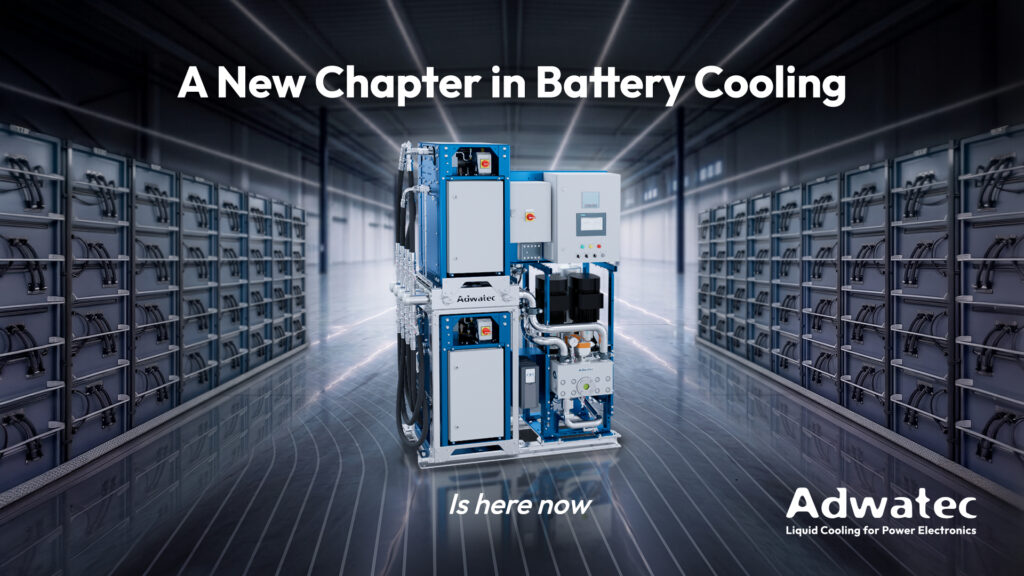
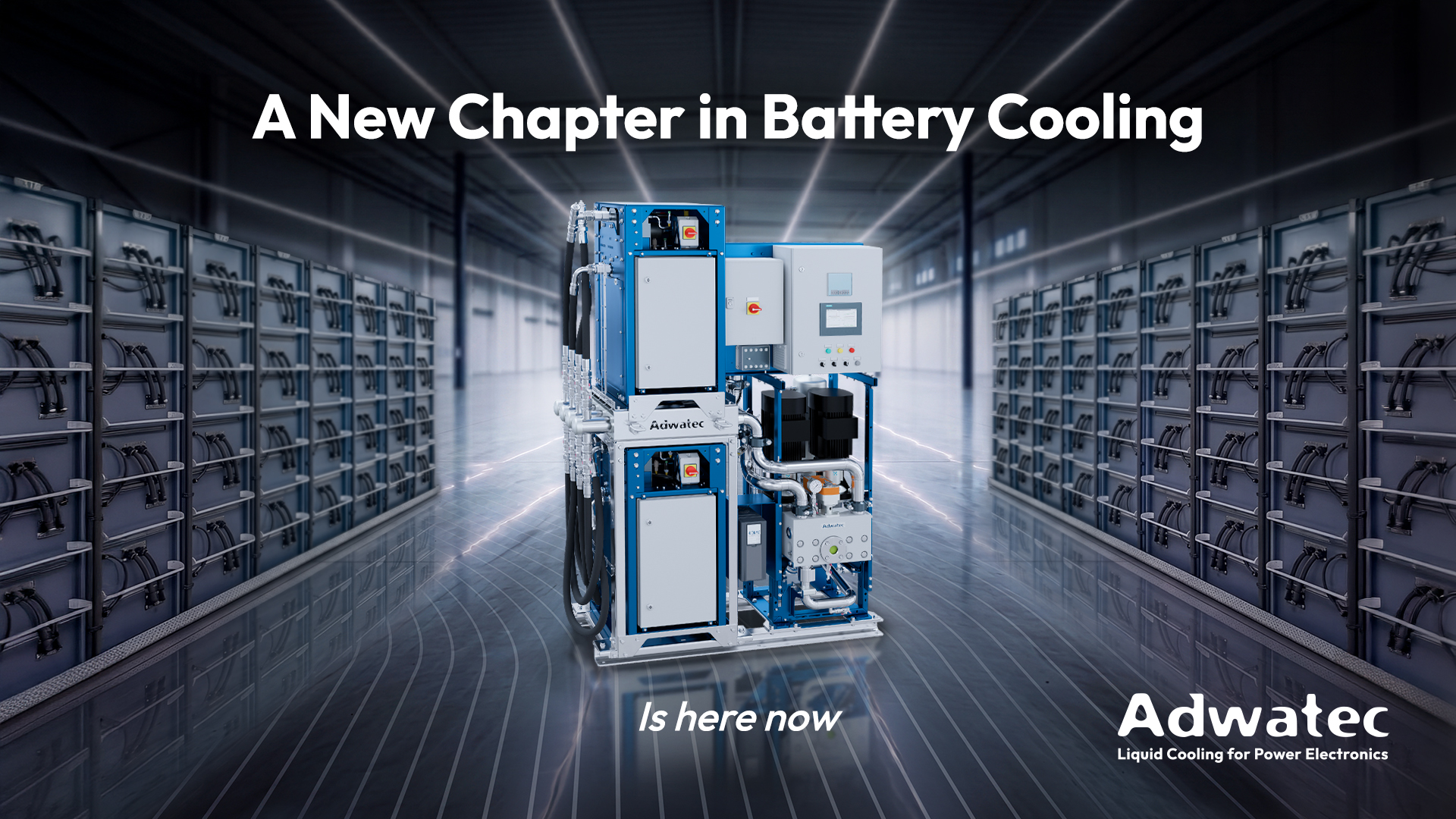
Our CCE Classic Series with Chiller is built on a marine-grade, vibration-tested rack design and is developed specifically for hybrid and fully electric vessels as well as shore-based energy storage systems. It delivers precise control of coolant temperature, flow, and pressure across scalable cooling capacities, with modular chiller units that maintain continuous operation even during a single-unit failure.
Read more about the solution and explore its key features on the battery cooling product page.