Marine environments push power electronics to their limits. Salt air, constant vibration, humidity, and wide temperature swings create conditions that would challenge any cooling system. For the power electronics found aboard modern vessels, reliable thermal management is not optional. Closed-loop water cooling has become the go-to solution because it keeps sensitive components isolated from the surrounding environment while delivering consistent, precise cooling performance at sea.
Understanding how these systems work, and why they hold up where other approaches fall short, matters for anyone specifying or operating a marine cooling system. This article walks through the fundamentals of closed-loop marine water cooling, from the physics of the circuit to the design choices that prevent failure in demanding conditions.
The unique cooling demands of marine environments
Vessels operate in one of the most thermally and mechanically hostile environments imaginable. Power electronics aboard ships face rapid load changes, persistent vibration, and ambient conditions that shift dramatically between a tropical port and open northern seas. These factors combine to place exceptional stress on any cooling infrastructure.
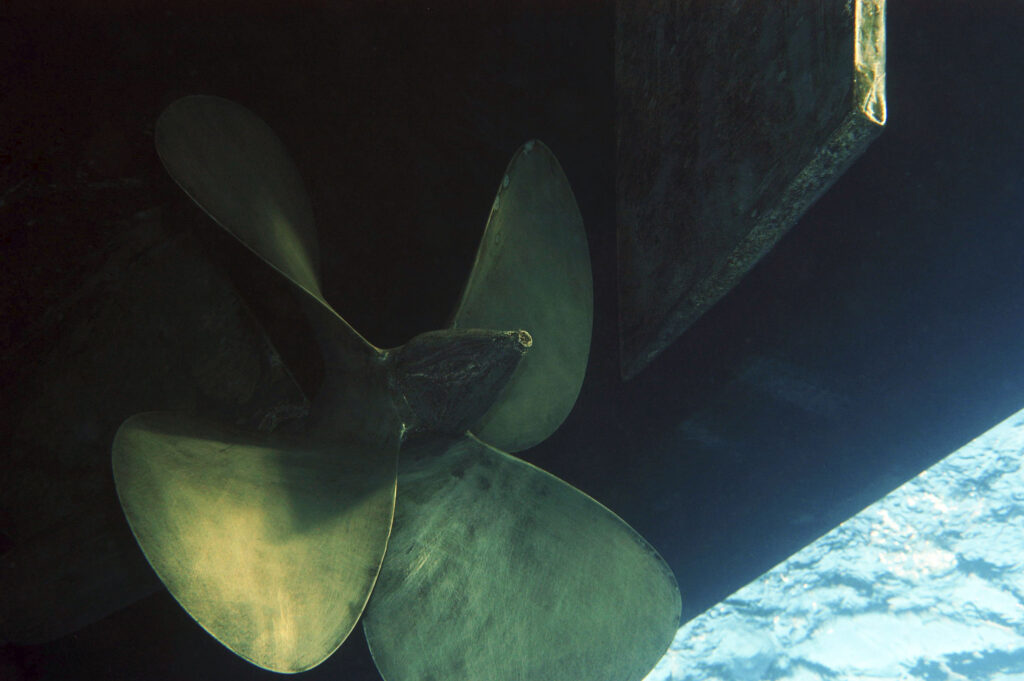
The marine applications we provide cooling solutions for include propulsion systems, thrusters, winches, and battery and energy storage systems. Each of these generates significant heat during operation, and each demands cooling that remains stable regardless of what the sea is doing. A cooling system that performs well in calm harbour conditions must deliver the same reliability in heavy weather, which sets the bar considerably higher than for most industrial applications on land.
How a closed-loop circuit isolates and protects power electronics
A closed-loop cooling circuit circulates a controlled volume of coolant in a sealed path between the heat source and a heat exchanger, with no direct contact between the coolant and the outside environment. This isolation is the defining advantage in a marine context.
Because the circuit is sealed, the coolant quality can be precisely maintained. Corrosive salts, biological matter, and particulates present in the surrounding environment never enter the system. The power electronics themselves are cooled by clean, conditioned water that is continuously recirculated rather than drawn in from outside. Heat absorbed from the electronics is transferred through a heat exchanger to the vessel’s technical water system, which serves as the primary cooling medium. Seawater is used only as a secondary option when technical water is not available. This layered approach protects both the electronics and the integrity of the cooling circuit itself.
Key components that keep marine cooling stations running
A well-designed marine cooling station is more than a pump and a pipe. Several components work together to maintain reliable performance across the operational life of the vessel.
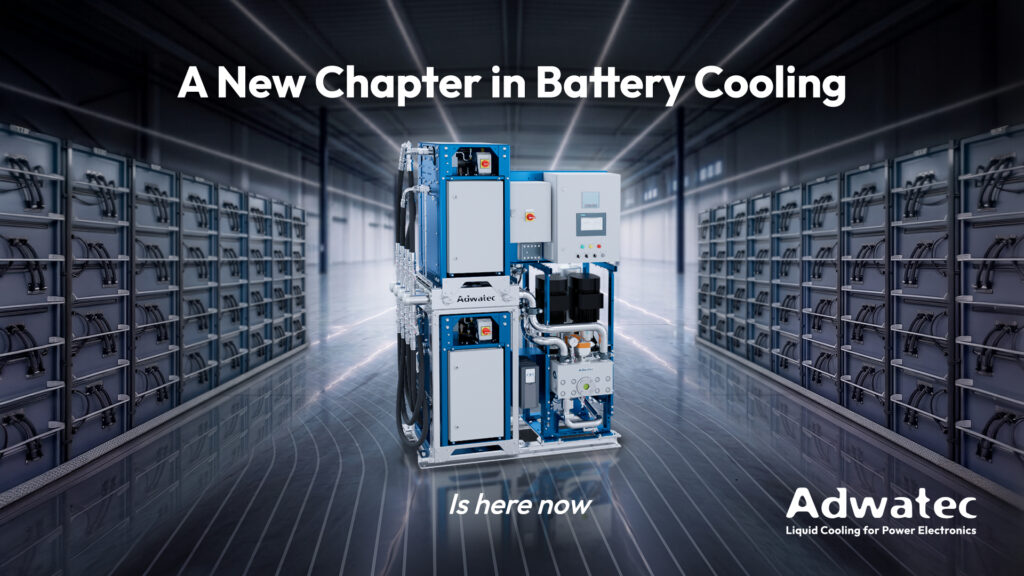
- Circulation pumps: Typically configured in a duty and standby arrangement so that a pump failure does not interrupt cooling. Marine-rated pumps are selected for vibration resistance and corrosion tolerance.
- Heat exchangers: Transfer heat from the closed loop to the vessel’s technical water system. Material selection is critical here, as the exchanger sits at the boundary between the controlled internal circuit and the ship’s broader systems.
- Expansion vessels and pressure management: Accommodate thermal expansion of the coolant and maintain stable circuit pressure across temperature variations.
- Water quality management: Filters, inhibitors, and, in deionized water systems, ion exchange resins maintain coolant conductivity and chemistry within tight tolerances to protect sensitive components.
- Control and monitoring systems: Measure temperature, flow, and pressure in real time, enabling automatic responses to changing conditions and early detection of anomalies.
Together, these elements create a self-contained cooling environment that operates reliably with minimal manual intervention, which matters greatly on vessels where maintenance access may be limited for extended periods.
Maintaining performance across variable sea conditions
One of the real challenges in water cooling for harsh environments is that the thermal load on the system is rarely constant. A vessel accelerating out of port, running thrusters in dynamic positioning, or charging an energy storage system during transit generates very different heat loads from the same equipment at rest.
Modern marine cooling stations address this through intelligent control. Flow rates and pump speeds can be adjusted dynamically to match actual cooling demand, which reduces energy consumption during lighter loads. Eco-mode functionality, for example, allows the system to run at reduced capacity when full cooling is not needed, extending component life and lowering operating costs. Temperature setpoints and alarm thresholds are configurable, giving operators the ability to tune the system to the specific thermal profile of their application. The result is a cooling system that tracks the vessel’s actual operating state rather than running at fixed capacity regardless of conditions.
Common failure points and how good design prevents them
Even well-specified systems can develop problems over time if the design does not account for the realities of marine service. Understanding the common failure modes is the first step toward designing them out.
Corrosion is the most persistent threat. Any point where dissimilar metals meet in the presence of moisture becomes a potential corrosion site, and marine environments accelerate the process considerably. Careful material selection and the use of fully sealed enclosures significantly reduce this risk. Vibration fatigue is another concern: pipe joints, fittings, and electrical connections that are adequate for a static installation can work loose over thousands of hours of vessel movement. Flexible connections, proper pipe support, and vibration-rated components address this directly.
Coolant degradation is often overlooked but equally important. Without regular monitoring and maintenance of water quality, inhibitors break down, biological growth can occur, and conductivity can drift outside acceptable limits. Systems designed with accessible sampling points and clear maintenance intervals make it straightforward to keep coolant chemistry within specification. Redundancy in critical components, particularly pumps and sensors, ensures that a single component failure does not cascade into a loss of cooling for the entire system.

About Adwatec
Adwatec is a water technology company specializing in water cooling for power electronics. We serve clients across various sectors, including Marine, Electrical Grid and Heavy Industry, on a global scale. With more than two decades of expertise and strong focus in R&D, we offer our clients proven, state-of-the-art solutions.
Our mission is to boost Sustainability in our products, operations and customer’s applications. In order to achieve this our deep knowledge of various customer applications is essential and we are not afraid to share the cooling aspects in these. Adwatec products are modular which allows us to customize the cooling solutions to customer specific application needs. Standard modules in high volumes, small size and low maintenance result in competitive lifecycle costs. Adwatec products installed onboard more than 500 vessels globally is a reference that we are truly proud of!