Marine power systems operate in some of the harshest conditions on earth. Salt air, constant vibration, humidity, and the relentless demands of propulsion and onboard electrical loads all place enormous stress on power electronics. Getting the thermal management right is not a nice-to-have, it is a fundamental requirement for keeping vessels running safely and efficiently. Closed-loop water cooling has become the standard approach for serious marine applications, and understanding why helps clarify what separates reliable installations from costly failures.
Why marine power electronics demand precise cooling
Power electronics generate significant heat during normal operation, and when that heat is not removed quickly enough, components begin to throttle output to protect themselves. In a marine context, this kind of thermal degradation can meaningfully reduce system capacity and accelerate component wear, leading to unplanned downtime far from port. The consequences are not just inconvenient, they can be expensive and, in critical situations, dangerous.
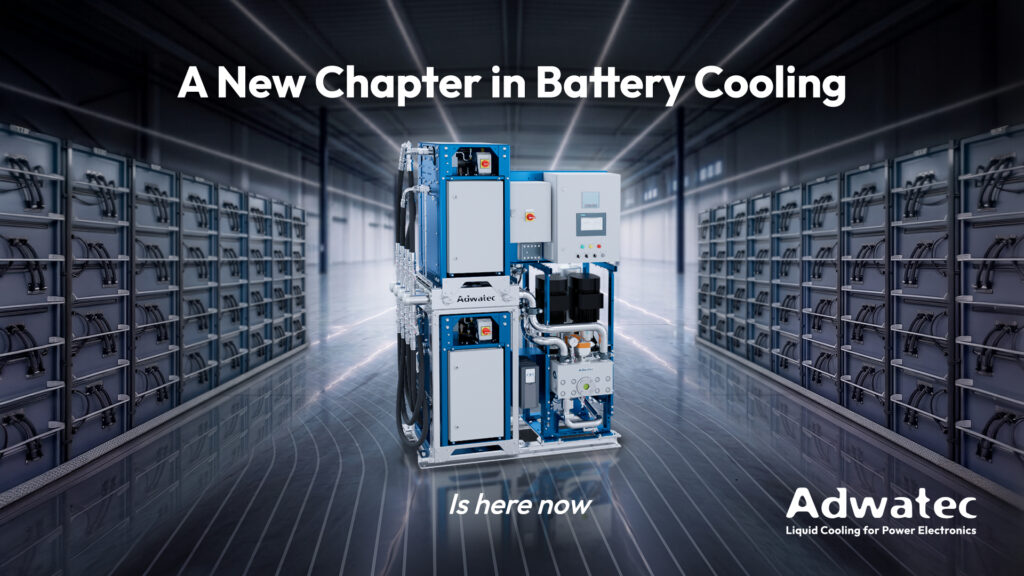
The marine applications we provide cooling solutions for include propulsion systems, thrusters, winches, and battery and energy storage systems. Each of these demands consistent, precise temperature control across a wide range of operating loads and ambient conditions. Water’s thermal conductivity is approximately 25 times higher than air, which makes liquid cooling far more effective at keeping power electronics within their safe operating range, regardless of what is happening on deck or in the engine room.
How a closed-loop system works in a marine environment
A closed-loop cooling system circulates coolant through a sealed circuit, absorbing heat from power electronics and carrying it to a heat exchanger before returning the cooled liquid to the components. Because the loop is sealed, the coolant quality stays consistent and the risk of contamination from salt air or particulates is eliminated.
On a vessel, the primary cooling medium is the ship’s own technical water. This is the preferred and primary heat sink for the closed loop. Seawater is only used as a secondary option when technical water is not available. Modern closed-loop stations include temperature sensors, flow monitors, and intelligent controls that automatically adjust pump speeds and valve positions to match changing heat loads, ensuring the system responds dynamically rather than running at fixed capacity.
Key reliability benefits for vessels and offshore applications
Closed-loop water cooling delivers reliability advantages that air cooling simply cannot match in a marine environment. Because the system is sealed, it is not affected by dust, salt particles, or humidity that would clog air filters and degrade fan performance over time. Fewer moving parts exposed to the environment means fewer failure points and longer intervals between maintenance visits.
Redundant pump configurations and continuous monitoring further strengthen operational continuity. If one pump requires attention, a backup maintains circulation without interrupting the cooling cycle. For offshore and remote vessel operations where access to technical support is limited, this kind of built-in resilience is a genuine operational advantage. Consistent thermal control also extends the lifespan of the power electronics themselves, reducing the total cost of ownership over the vessel’s service life.
Modular cooling stations and DNV-approved solutions
Not all marine cooling installations are the same, and flexibility in design matters. Our C-series liquid cooling stations carry DNV type approval, meaning they are accepted for installation on all vessels classed by DNV. This certification validates performance under demanding marine conditions, including vibration, temperature variation, and extended operation without maintenance access.
The modular design of our cooling stations allows the configuration to be matched to the specific application rather than forcing a compromise. Heat exchangers can be positioned where space and access conditions are most favorable, and the compact footprint frees up valuable cabinet and machinery room space. For vessel operators and system integrators, this combination of certified reliability and design flexibility simplifies both the specification process and the long-term management of the installation.
Common pitfalls when cooling marine power systems
One of the most frequent mistakes in marine power electronics cooling is undersizing the system based on nominal load rather than peak demand. Power electronics rarely run at a constant load, and a cooling station that handles average conditions well may struggle during peak operational phases, creating thermal stress precisely when the system needs to perform most reliably.
Another common issue is neglecting coolant quality management in closed-loop systems. While the sealed design protects against external contamination, the coolant itself must be maintained to prevent corrosion or scaling inside the circuit. Using the correct coolant specification and monitoring it periodically prevents gradual degradation that can reduce heat transfer efficiency over time. Finally, positioning the heat exchanger without accounting for airflow or technical water availability can limit performance from day one, making early-stage design review an investment that pays back quickly across the vessel’s operational life.

About Adwatec
Adwatec is a water technology company specializing in water cooling for power electronics. We serve clients across various sectors, including Marine, Electrical Grid and Heavy Industry, on a global scale. With more than two decades of expertise and strong focus in R&D, we offer our clients proven, state-of-the-art solutions.
Our mission is to boost Sustainability in our products, operations and customer’s applications. In order to achieve this our deep knowledge of various customer applications is essential and we are not afraid to share the cooling aspects in these. Adwatec products are modular which allows us to customize the cooling solutions to customer specific application needs. Standard modules in high volumes, small size and low maintenance result in competitive lifecycle costs. Adwatec products installed onboard more than 500 vessels globally is a reference that we are truly proud of!