Yes, water cooling systems can significantly reduce unplanned downtime in vessels. By maintaining stable operating temperatures in power electronics, these systems prevent the thermal stress that leads to sudden component failures at sea. The sections below unpack how marine water cooling works, what it takes to maintain them, and when it makes sense to upgrade.
Inadequate cooling is one of the most preventable causes of expensive equipment failures onboard. When power electronics overheat, the consequences go well beyond a simple shutdown. You face costly component replacements, emergency port calls that disrupt schedules, and safety risks that put crew and cargo at risk. A properly sized water cooling system removes that risk before it becomes a crisis.
How does water cooling prevent power electronics failures at sea?
Water cooling prevents power electronics failures by continuously removing heat from components before temperatures reach damaging levels. Water carries heat far more efficiently than air, meaning the electronics stay within their safe operating range even under heavy load or in warm ambient conditions. This directly reduces the thermal stress that causes insulation breakdown, solder joint fatigue, and premature component failure.
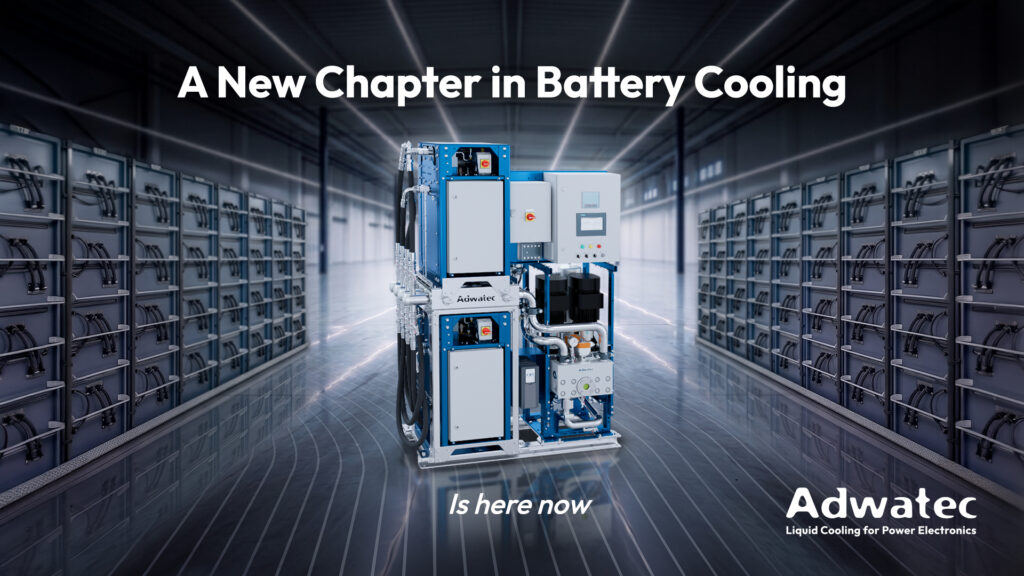
The marine applications we provide cooling solutions for include propulsion systems, thrusters, winches, and battery and energy storage systems. All of these generate significant heat loads, and all of them depend on reliable power electronics to function. A closed-loop cooling circuit using the vessel’s own technical water as the cooling medium keeps the system clean, controlled, and independent of external conditions.
Because the cooling loop is closed, the electronics are never exposed to contamination from outside sources. Coolant quality can be monitored and maintained, which protects sensitive components and extends their service life considerably.
How can marine water cooling reduce unplanned downtime?
Marine water cooling reduces unplanned downtime by eliminating the root cause of most heat-related failures before they occur. When power electronics operate consistently within their rated temperature range, the risk of sudden shutdowns drops sharply. Planned maintenance is always cheaper and less disruptive than emergency repairs at sea or during an unscheduled port call.
Poor cooling also shortens equipment lifespan, forcing premature replacements that strain maintenance budgets and create scheduling pressure. A correctly sized cooling station matched to the actual heat load of the system avoids both overheating and unnecessary energy use from oversized equipment running at partial load.
Modern marine cooling stations can also operate in eco-mode, adjusting cooling capacity to match real-time demand. This reduces wear on pumps and other moving parts, which in turn lowers the frequency of maintenance interventions and keeps the system available when it is needed most.
What maintenance does a marine water cooling system require?
A marine water cooling system requires routine checks of coolant quality, pump condition, pressure levels, and heat exchanger performance. In a well-designed closed-loop system, these tasks are straightforward and can be integrated into the vessel’s existing planned maintenance schedule without specialist intervention for most checks.
- Coolant quality monitoring: Checking conductivity, pH, and inhibitor levels to prevent corrosion and scaling inside the circuit
- Pump and seal inspection: Identifying wear before it leads to leaks or loss of flow
- Heat exchanger inspection: Ensuring efficient heat transfer between the cooling circuit and the vessel’s technical water system
- Pressure and flow verification: Confirming the system is operating within design parameters
Compact, modular designs make access easier during routine service, and systems with built-in monitoring can flag issues early, giving the crew time to act before a minor fault becomes a major problem.
When should a vessel upgrade its cooling system?
A vessel should upgrade its cooling system when the existing setup can no longer reliably maintain safe operating temperatures, when power electronics have been upgraded to higher-capacity units, or when recurring heat-related faults are increasing maintenance costs and downtime. Aging systems that lack monitoring capabilities or eco-mode control are also strong candidates for replacement.
Signs that an upgrade is worth evaluating include frequent thermal alarms, shortened component service intervals, or a cooling station that was originally sized for older, lower-power equipment. As vessels electrify more onboard systems, the heat loads on power electronics grow, and a cooling solution designed for yesterday’s configuration may not be adequate for today’s demands.
In 2026, vessel operators are under increasing pressure to improve reliability and reduce operational costs simultaneously. Upgrading to a correctly sized, modular cooling station is one of the most direct ways to address both goals at once, without a full system overhaul.
Why choose Adwatec for marine water cooling?
We have been focused exclusively on water cooling since 2007, and our solutions are installed onboard more than 500 vessels globally. That depth of experience means our cooling stations are designed around the realities of marine operation, not adapted from land-based systems. Our DNV type-approved C-series cooling stations are accepted for installation on all vessels classed by DNV, and our modular product design means we can match a solution to your specific application rather than asking you to adapt to a standard product.
We also offer the first online water cooling solution configurator, so you can begin designing a system that fits your vessel’s actual needs before any conversation with our team. Combined with eco-mode control, compact sizing, and straightforward installation, our marine cooling stations are built to deliver long-term reliability with minimal maintenance burden.