Shore power cooling refers to dedicated cooling solutions designed to manage the thermal load generated by onboard electrical systems when a vessel is connected to shore-side electricity.
As ships shift from auxiliary engines to shore power in port, key components such as transformers, converters, and power electronics operate under continuous load and require controlled temperature conditions to ensure reliable performance.
Effective cooling plays an essential role in maintaining efficiency, supporting stable operation, and protecting critical equipment over time.
What is shore power and how does it work?
Shore power, also known as cold ironing, enables vessels to connect to the local electrical grid while at port instead of running diesel generators.
This reduces fuel consumption, lowers emissions, and supports compliance with increasingly strict environmental regulations.
To achieve this, electrical power supplied from shore must be converted to match the vessel’s onboard systems. This process typically involves high-voltage transformers and power conversion equipment, which must operate reliably throughout the port stay.
Why is dedicated cooling needed in shore power applications?
Power conversion equipment generates heat during operation, especially under continuous load conditions.
In marine environments, these systems are often located in compact technical spaces where ambient conditions and airflow are limited. Maintaining stable operating temperatures is therefore essential for ensuring performance, reliability, and long equipment lifetime.
This creates the need for purpose-designed cooling solutions that can operate efficiently and consistently in demanding marine conditions.
How does shore power cooling work?
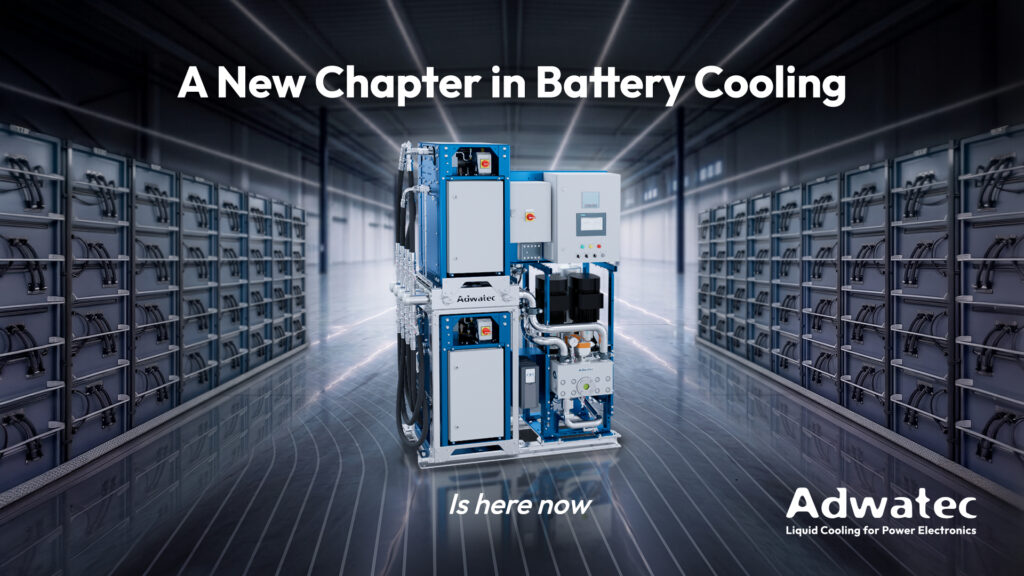
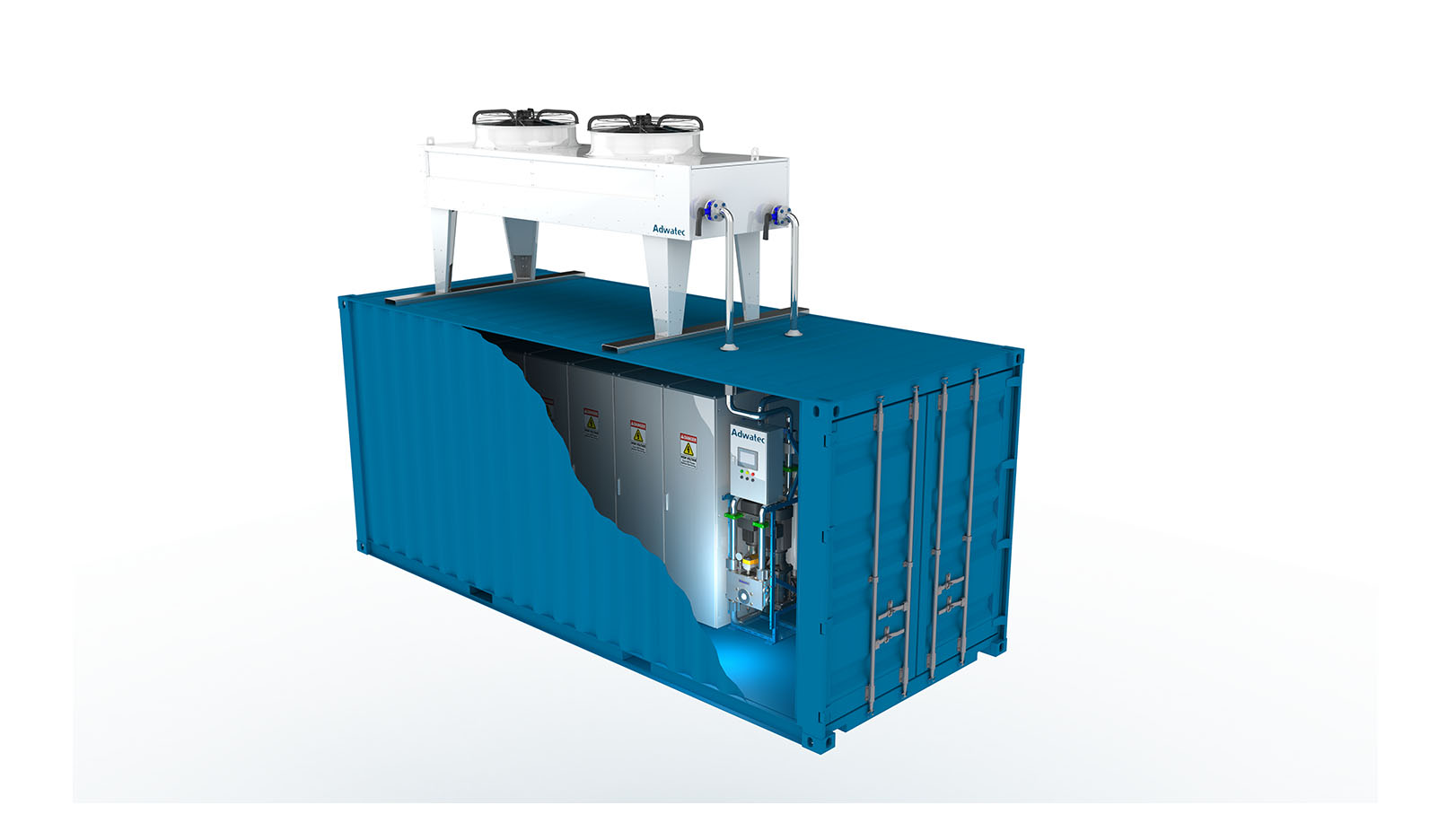
Shore power cooling systems typically utilize closed-loop liquid cooling to transfer heat away from electrical components.
Coolant circulates through heat exchangers or cooling plates installed on critical equipment. The absorbed heat is then dissipated through a secondary cooling circuit, such as air-cooled radiators or seawater-based heat exchangers, before the coolant is recirculated.
This approach allows precise thermal control and supports stable operation across varying load conditions.
Supporting reliable shore power operation
A well-designed cooling solution contributes to:
- stable operation of electrical systems
- consistent performance during port stays
- extended equipment lifetime
- efficient energy use
As part of a complete system design, cooling should be considered from the early stages of engineering to ensure seamless integration and optimal performance.
Adwatec approach
At Adwatec, we design water-based cooling solutions tailored to demanding marine applications, including shore power systems.
Our solutions are engineered for seamless integration into your system architecture and optimized to support reliable, efficient operation under continuous load conditions.
With validated designs, OEM expertise, and lifecycle support, we help ensure that your cooling system performs as intended — throughout its entire lifecycle.