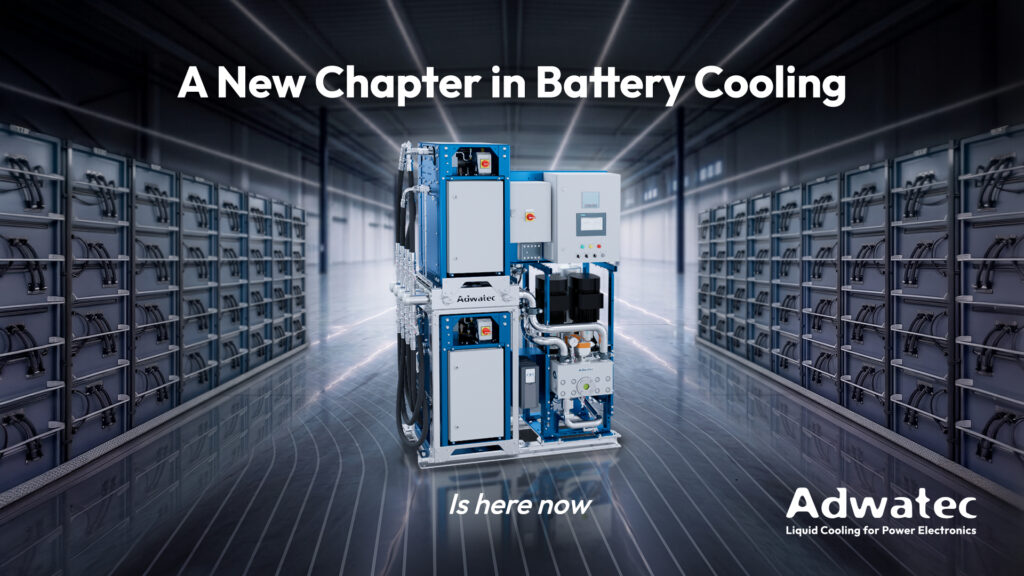
Closed-loop cooling systems for ships circulate coolant through a sealed circuit that isolates critical power electronics from seawater and external contaminants. These systems provide superior protection for marine electrical components while reducing maintenance requirements and ensuring consistent performance across varying ocean conditions.
Seawater contamination is destroying your ship’s electrical systems
Traditional open-loop cooling exposes your vessel’s power electronics to corrosive seawater, salt deposits, and marine organisms that cause premature component failure and costly downtime. Every hour of unplanned maintenance at sea costs thousands in lost operational time and emergency repairs. Switching to closed-loop cooling creates a protective barrier that keeps contaminants away from sensitive electronics, extending component life and reducing the frequency of expensive electrical system replacements.
Inconsistent cooling performance is compromising your vessel’s reliability
Variable seawater temperatures and quality create unpredictable cooling conditions that stress power electronics and lead to thermal cycling damage. This inconsistency forces systems to work harder, increases energy consumption, and creates reliability issues that can leave you stranded. Implementing closed-loop cooling with controlled coolant properties ensures stable operating temperatures regardless of ocean conditions, giving you predictable performance and peace of mind during critical operations.
What is closed-loop cooling and how does it work on ships?
Closed-loop cooling is a sealed system that circulates coolant through a continuous circuit to remove heat from ship power electronics. The coolant flows through heat exchangers attached to components, absorbs heat, then passes through a cooling unit before returning to complete the cycle.
The system operates primarily with the vessel’s technical water supply. When technical water is unavailable, seawater can serve as a secondary cooling medium through a heat exchanger that transfers thermal energy without direct contact with electronics. This separation protects sensitive components while maintaining effective heat removal. The marine applications we provide cooling solutions for include propulsion systems, thrusters, winches, and battery and energy storage systems.
Our modern closed-loop systems include monitoring capabilities that track coolant temperature, flow rates, and system pressure. These systems automatically adjust cooling capacity based on load requirements, ensuring optimal performance while minimizing energy consumption.
Why is closed-loop cooling better than open-loop systems for marine applications?
Closed-loop cooling eliminates direct seawater contact with power electronics, preventing corrosion, biological fouling, and contamination that plague open-loop systems. This protection significantly extends component life and reduces maintenance requirements in harsh marine environments.
Open-loop systems pump seawater directly through cooling circuits, exposing electronics to salt deposits, marine organisms, and varying water quality. These contaminants cause corrosion, blockages, and thermal inefficiency that lead to frequent maintenance and component replacement.
Closed-loop systems maintain consistent coolant properties regardless of ocean conditions. The controlled environment prevents thermal shock from temperature variations and eliminates the need for seawater filtration systems. This consistency improves cooling efficiency and provides predictable performance across different operating regions.
How does closed-loop cooling improve ship power electronics reliability?
Closed-loop cooling maintains stable operating temperatures for power electronics, preventing thermal cycling stress that causes component degradation and failure. Consistent cooling conditions extend component lifespan and reduce unexpected breakdowns during critical operations.
Temperature fluctuations stress electronic components through expansion and contraction cycles that weaken solder joints and damage semiconductor materials. Closed-loop systems eliminate these temperature variations by maintaining steady coolant properties and flow rates.
The sealed environment also prevents contamination that can cause short circuits, corrosion, and reduced thermal conductivity. Clean coolant maintains optimal heat transfer efficiency, ensuring power electronics operate within safe temperature ranges even under heavy loads.
What maintenance benefits do closed-loop cooling systems offer for vessels?
Our closed-loop cooling systems require significantly less maintenance than open-loop alternatives because they eliminate seawater-related problems like corrosion, biological fouling, and filter clogging. Maintenance intervals extend from months to years for many components.
Traditional seawater cooling requires frequent cleaning of heat exchangers, replacement of corroded components, and regular maintenance of seawater intake filters. Marine growth and salt deposits create ongoing maintenance burdens that consume crew time and resources.
Closed-loop systems need only periodic coolant checks and occasional system inspections. The controlled environment prevents most wear mechanisms, allowing scheduled maintenance during planned port visits rather than emergency repairs at sea.
How do closed-loop cooling systems help ships meet environmental regulations?
Our closed-loop cooling systems support environmental compliance by preventing the release of coolant chemicals into marine environments and supporting cleaner operations. These systems help vessels meet ballast water regulations and environmental standards.
The sealed design prevents accidental coolant discharge that could harm marine life. Closed-loop systems also improve energy efficiency by maintaining optimal operating temperatures for power electronics, reducing fuel consumption and emissions while supporting broader environmental compliance goals.
We design our systems to minimize environmental impact while maximizing performance. The reduced maintenance requirements also decrease waste generation from replacement parts and cleaning chemicals, supporting sustainable marine operations.