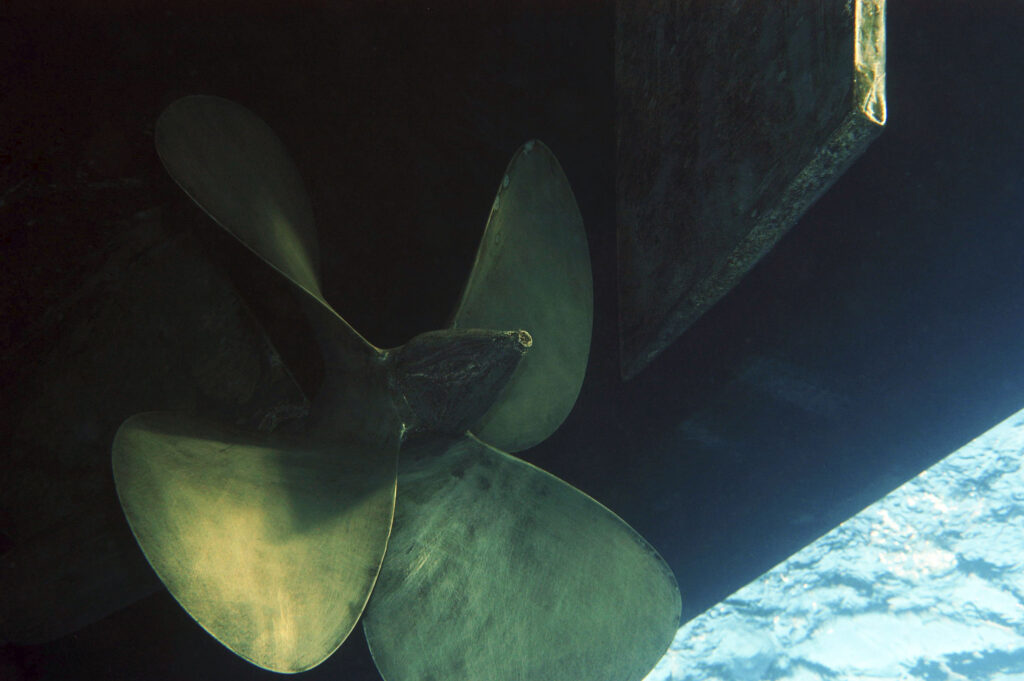
Water cooling in marine propulsion systems uses sea water or ships own low temperature (LT) technical water and closed-loop coolant to remove heat from power electronics, engines, and electrical components. These systems circulate cooling fluid through heat exchangers and radiators to maintain optimal operating temperatures, preventing overheating that could damage expensive marine equipment or cause system failures at sea.
Inadequate cooling is costing you expensive equipment failures
Marine power electronics generate intense heat that can destroy valuable components within minutes without proper cooling. Uncooled frequency converters, battery systems, and propulsion motors overheat, leading to catastrophic failures that can leave vessels stranded or require emergency port calls. The solution lies in implementing properly sized cooling systems with built-in redundancy, ensuring your critical systems stay within safe operating temperatures even under maximum load conditions.
What is water cooling in marine propulsion systems?
Water cooling in marine propulsion systems is a thermal management method that removes heat from power electronics, motors, and electrical components using water as the cooling medium. It circulates coolant through heat exchangers to maintain safe operating temperatures and prevent equipment damage.
Marine propulsion systems generate substantial heat during operation, particularly in power electronics like frequency converters, battery systems, and motor drives. Water cooling provides efficient heat removal because water has excellent thermal conductivity and can absorb large amounts of heat energy. The cooling system typically includes pumps, heat exchangers, filters, and monitoring equipment to ensure reliable operation.
The marine applications we provide cooling solutions for include propulsion systems, thrusters, winches, and battery and energy storage systems. Each application has specific cooling requirements based on power levels, space constraints, and environmental conditions aboard vessels.
Why do marine power electronics need specialized cooling?
Marine power electronics require specialized cooling because they generate concentrated heat loads in compact spaces while operating in harsh saltwater environments. Standard cooling methods cannot handle the high power densities and corrosive conditions found aboard vessels.
Power electronics like frequency converters and battery systems concentrate enormous amounts of electrical energy in small enclosures. This concentrated heat generation requires efficient cooling systems that can remove heat quickly before components exceed safe operating temperatures. Standard air cooling cannot provide adequate heat removal in these high-density applications.
What components make up a marine cooling system?
Marine cooling systems consist of coolant pumps, heat exchangers, expansion tanks, filters, monitoring sensors, and control systems. These components work together to circulate coolant, remove heat, maintain system pressure, and provide operational monitoring and protection.
Open vs. closed loop marine cooling?
Open loop cooling systems use seawater directly for cooling and discharge it overboard, while closed loop systems circulate treated coolant in a sealed circuit that transfers heat to seawater through heat exchangers. Closed loops protect equipment from corrosive seawater contact.
Open loop cooling systems pump seawater directly through equipment cooling circuits before discharging overboard. This approach provides excellent cooling capacity but exposes equipment to corrosive seawater, marine growth, and contamination. Open systems work well for robust equipment like diesel engines but are unsuitable for sensitive electronics.
Closed loop systems use treated coolant like deionized water or glycol mixtures that circulate through equipment in a sealed circuit. Heat transfers to seawater through heat exchangers without direct contact. Closed loops protect sensitive electronics from corrosion while providing precise temperature control and contamination-free cooling. We specialize in closed loop cooling stations that offer reliable protection for marine power electronics.
At Adwatec, we specialize in delivering only closed-type cooling systems as they are the most efficient way to prevent oxygen diffusion in the coolant and to reduce the risk of electrochemical corrosion.
marine references
-
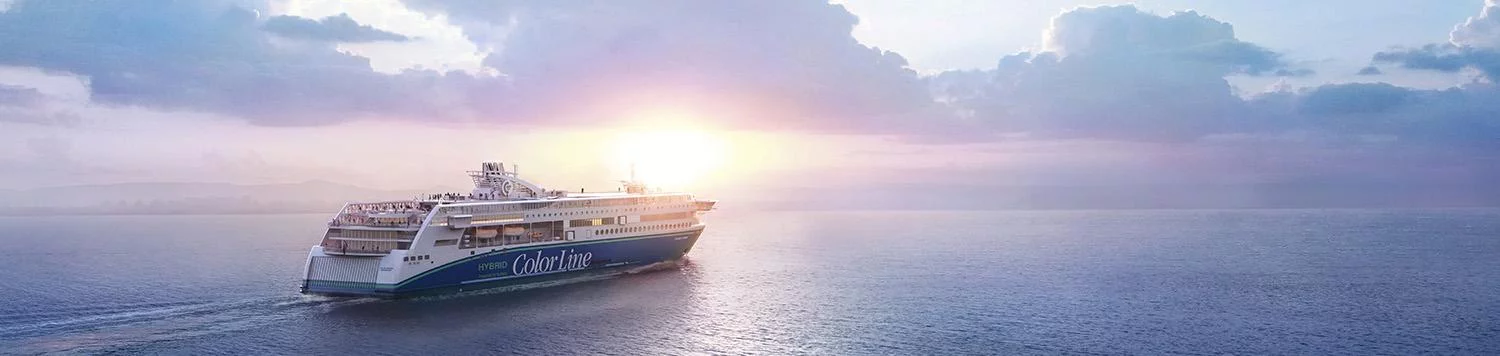
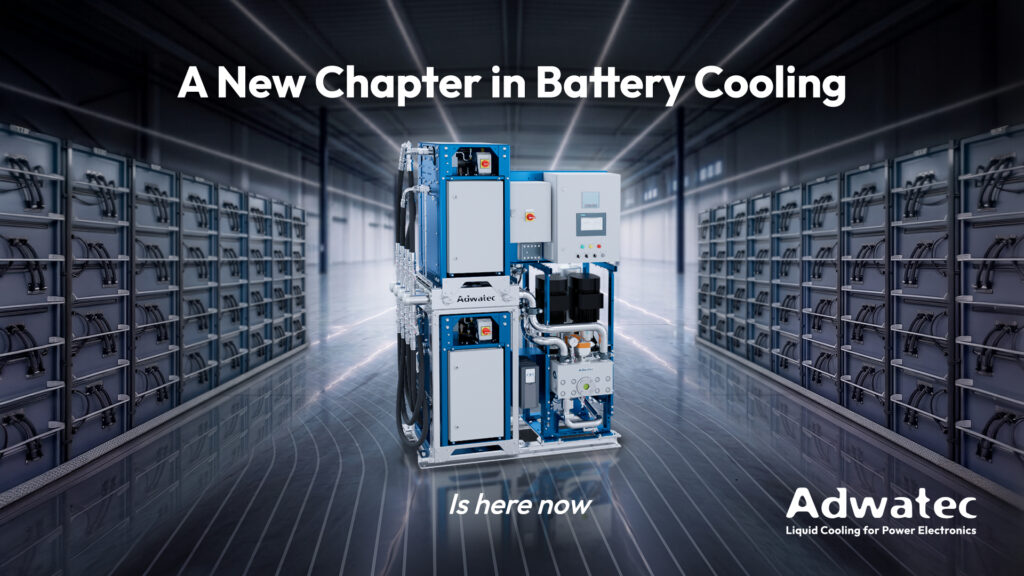
Ulstein Color Hybrid. Battery cooling for a revolutionary hybrid vessel Adwatec was part of a completely new kind of project within the marine industry when the company won a contract and was to deliver the solution that will cool down the batteries of the world’s largest plug-in hybrid vessel. Key Benefits of Adwatec’s cooling solution:…
-

Water cooling in industrial power grid. Three L-range Adwatec cooling systems take care of SVC applications in industrial power grid. Details about the project:
-

Cooling system for large STATCOM application. Three L-range Adwatec cooling systems take care of STATCOM application in a traction power grid. About the project: