Water cooling prevents equipment from overheating in marine applications by circulating coolant through closed-loop systems that efficiently transfer heat away from power electronics and other critical components. This method provides superior thermal management compared to air cooling, ensuring reliable operation of essential ship systems even in harsh maritime environments where space is limited and ambient temperatures can be extreme.
Inadequate cooling is costing you expensive equipment failures at sea
When marine equipment overheats, the consequences extend far beyond simple shutdowns. You face costly component replacements, emergency port calls that disrupt schedules, and potential safety risks that put crew and cargo at stake. Poor cooling also reduces equipment lifespan, forcing premature replacements that strain maintenance budgets. The solution lies in implementing properly sized water cooling systems that maintain optimal operating temperatures regardless of ambient conditions or equipment load demands.
Air cooling limitations are compromising your vessel’s reliability
Traditional air cooling systems struggle in marine environments where salt air, humidity, and limited ventilation create perfect conditions for equipment failure. These systems consume excessive space, generate noise, and become less effective as ambient temperatures rise or when equipment operates under heavy loads. Switching to water cooling eliminates these constraints by providing consistent thermal management in a compact footprint, ensuring your critical systems operate reliably when you need them most.
What causes equipment to overheat on ships and vessels?
Marine equipment overheats due to high ambient temperatures, limited ventilation, salt air corrosion, and intense operational demands in confined spaces. Power electronics generate significant heat during normal operation, and traditional cooling methods often prove inadequate in maritime environments.
The marine environment presents unique thermal challenges that land-based installations rarely face. Ambient temperatures in engine rooms and electrical compartments can exceed 40°C, while humidity levels remain consistently high. Salt air accelerates corrosion of cooling components and clogs air filters, reducing cooling efficiency over time.
Space constraints on vessels force equipment into tight quarters where heat buildup becomes inevitable. Power electronics such as inverters, converters, and motor drives generate substantial heat during operation, especially under heavy loads. Without proper thermal management, these components quickly reach critical temperatures that trigger protective shutdowns or permanent damage.
How does water cooling work in marine applications?
Water cooling in marine applications uses closed-loop systems where coolant circulates through heat exchangers attached to equipment, absorbing heat and transferring it to external heat sinks. The coolant continuously cycles between the equipment and cooling unit, maintaining optimal operating temperatures.
The system consists of a cooling station that houses pumps, heat exchangers, expansion tanks, and control systems. Coolant flows through specialized heat sinks mounted directly on power electronics, absorbing heat through conductive transfer. The heated coolant returns to the cooling station where it passes through a heat exchanger.
Advanced marine cooling systems include redundant pumps for reliability, filtration to maintain coolant quality, and monitoring systems that track temperatures and flow rates. Many systems feature eco-mode operation that adjusts cooling capacity based on actual thermal loads, reducing energy consumption during light-load conditions.
What are the advantages of water cooling over air cooling for ships?
Water cooling offers superior heat transfer efficiency, compact design, reduced noise levels, and consistent performance regardless of ambient conditions. Unlike air cooling, water systems are unaffected by salt air, humidity, or limited ventilation common in marine environments.
The thermal conductivity of water is approximately 25 times higher than that of air, enabling more efficient heat removal from power electronics. This efficiency translates to smaller cooling units that occupy less valuable space on vessels. Water cooling systems also operate quietly compared to large fans required for air cooling, reducing noise pollution in crew areas.
Reliability improves significantly with water cooling because the system operates independently of ambient air quality. Salt air cannot corrode internal components, and clogged filters do not reduce cooling capacity. Water cooling maintains consistent performance whether the vessel operates in tropical heat or arctic conditions, ensuring equipment protection across all operational environments.
What types of marine equipment benefit most from water cooling?
Power electronics, including inverters, converters, motor drives, and energy storage systems, benefit most from water cooling. These components generate concentrated heat loads that exceed the capabilities of air cooling systems, especially in marine environments with limited ventilation.
Propulsion system electronics require reliable cooling to maintain vessel maneuverability and speed control. Variable frequency drives that control electric propulsion motors generate substantial heat during acceleration and load changes. Thruster systems, particularly bow and stern thrusters used for precise maneuvering, also benefit from water cooling due to their high power demands and confined installation spaces.
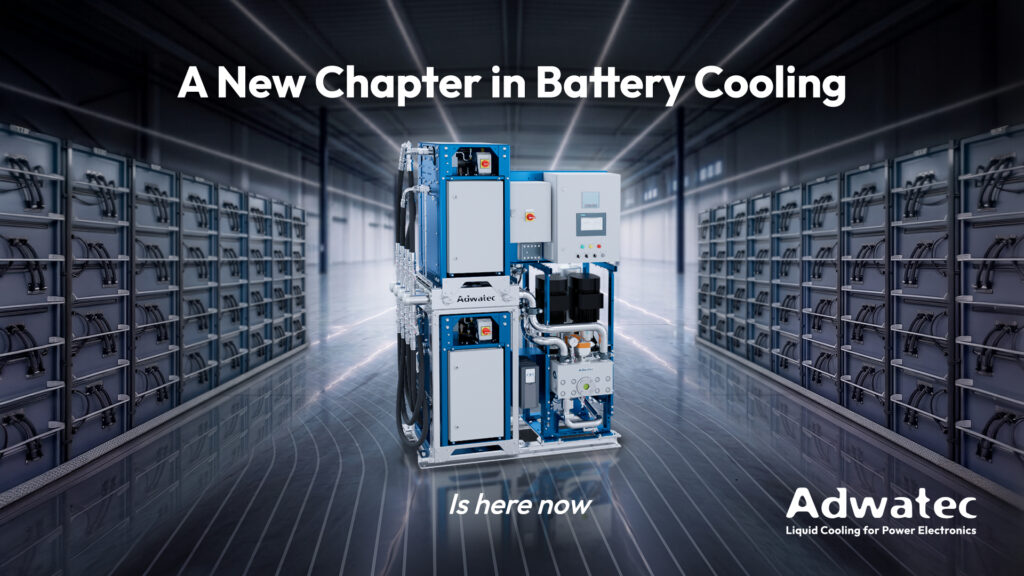
Energy storage systems and battery cooling represent growing applications as vessels adopt hybrid and electric propulsion. Battery thermal management is critical for safety, performance, and lifespan.
How do you choose the right water cooling system for a vessel?
Select marine water cooling systems based on total heat load, available space, power requirements, and certification standards. Calculate the combined thermal output of all equipment requiring cooling, then size the system with appropriate safety margins for peak operating conditions.
Start by conducting a thermal analysis of your equipment to determine total heat generation under maximum load conditions. Consider future expansion needs and add a 20-30% capacity margin to handle unexpected loads or equipment additions. Evaluate available installation space for both the cooling station and coolant distribution piping.
Certification requirements vary by vessel type and operational area. Commercial vessels typically require DNV, ABS, or other classification society approvals. Military vessels may need additional certifications for shock, vibration, and electromagnetic compatibility.
We at Adwatec specialize in marine water cooling solutions with over 25 years of experience in the industry. Our products are installed on more than 500 vessels globally, providing reliable thermal management for critical marine systems. The marine applications we provide cooling solutions for include propulsion systems, thrusters, winches, and battery and energy storage systems. We provide solutions that use the vessel’s technical water as the primary cooling medium, with seawater as a secondary option when technical water is unavailable. Learn more about why customers choose our marine cooling solutions.