Power grid stability relies heavily on reactive power compensation devices, with Static VAR Compensators (SVC) and Static Synchronous Compensators (STATCOM) serving as the primary technologies. While both systems enhance grid performance and power quality, their distinct operating principles create fundamentally different cooling requirements that engineers must carefully consider during system design.
Understanding these thermal management differences is crucial for power grid applications, as improper cooling can lead to component failure, reduced efficiency, and costly downtime. The choice between SVC cooling and STATCOM cooling systems directly impacts installation costs, maintenance schedules, and long-term reliability of electrical grid infrastructure.
What Are SVC and STATCOM Power Grid Technologies
Static VAR Compensators represent the traditional approach to reactive power compensation in electrical grids. SVC systems use thyristor-controlled reactors and thyristor-switched capacitors to provide dynamic reactive power support, helping maintain voltage stability across transmission networks. These systems typically operate at fundamental frequency and rely on magnetic components like inductors and capacitors for power control.
STATCOM technology, in contrast, employs voltage source converters with advanced power electronics to achieve superior reactive power control. These systems use high-frequency switching devices such as IGBTs or GTOs, enabling faster response times and more precise voltage regulation. STATCOM units can provide both capacitive and inductive reactive power without the harmonic distortion commonly associated with traditional SVC systems.
The fundamental difference in switching frequencies between these technologies creates distinct thermal profiles. SVC systems generate heat primarily through conduction losses in thyristors operating at line frequency, while STATCOM units produce significant switching losses due to the high-frequency operation of power semiconductors.
Why Cooling Requirements Differ Between SVC and STATCOM
The cooling requirements diverge significantly due to different power densities and heat generation patterns in each technology. SVC systems typically have lower power density concentrations, with heat distributed across larger magnetic components and thyristor assemblies. The thermal load remains relatively steady during operation, creating predictable cooling demands that can be managed with conventional air cooling or basic liquid cooling systems.
STATCOM systems present more challenging thermal management scenarios due to concentrated heat generation in power semiconductor modules. High-frequency switching creates substantial power losses that must be efficiently removed to maintain junction temperatures within safe operating limits. The compact design of modern STATCOM units further intensifies cooling challenges, often requiring sophisticated water cooling systems with precise temperature control.
Power electronics cooling becomes particularly critical in STATCOM applications, where thermal cycling can significantly impact semiconductor reliability. The rapid switching transitions generate localized hot spots that demand immediate heat removal, making advanced cooling solutions essential for maintaining system availability and extending component lifespan.
SVC Cooling System Design Considerations
SVC cooling systems must address the thermal characteristics of thyristor valves and reactive components while maintaining cost-effectiveness. Air cooling remains viable for many SVC installations, particularly in moderate climate conditions where ambient temperatures support adequate heat dissipation. However, larger installations or harsh environmental conditions often necessitate liquid cooling solutions.
When implementing water cooling systems for SVC applications, the vessel’s technical water serves as the primary cooling medium, with seawater used only when technical water is unavailable. The cooling circuit design must account for the distributed nature of heat sources across thyristor assemblies, requiring careful flow distribution and temperature monitoring throughout the system.
Maintenance accessibility represents a crucial design factor for SVC cooling systems, as thyristor replacements and system servicing must be possible without extensive cooling system modifications. The cooling infrastructure should support modular component access while maintaining thermal performance during partial system operation.
STATCOM Thermal Management Requirements
STATCOM thermal management demands precision cooling solutions capable of handling high heat flux densities in compact semiconductor modules. Water cooling systems become virtually mandatory for utility-scale STATCOM installations, as air cooling cannot provide sufficient heat removal capacity for high-power applications.
The cooling system design must accommodate rapid thermal transients associated with load changes and switching frequency variations. This requires responsive flow control and temperature regulation to prevent thermal stress on power semiconductors. Advanced cooling solutions often incorporate multiple cooling loops with independent temperature control for different power electronic components.
Redundancy considerations become paramount in STATCOM cooling design, as cooling system failure can immediately compromise grid stability. Backup cooling circuits, emergency cooling modes, and comprehensive monitoring systems ensure continuous operation even during cooling system maintenance or component failures.
How to Select the Right Cooling Solution
Selecting appropriate cooling solutions requires comprehensive analysis of power dissipation profiles, environmental conditions, and reliability requirements. For SVC applications, evaluate whether air cooling can meet thermal requirements considering ambient temperature variations and altitude effects. When water cooling becomes necessary, focus on systems that provide adequate flow rates while maintaining water quality standards.
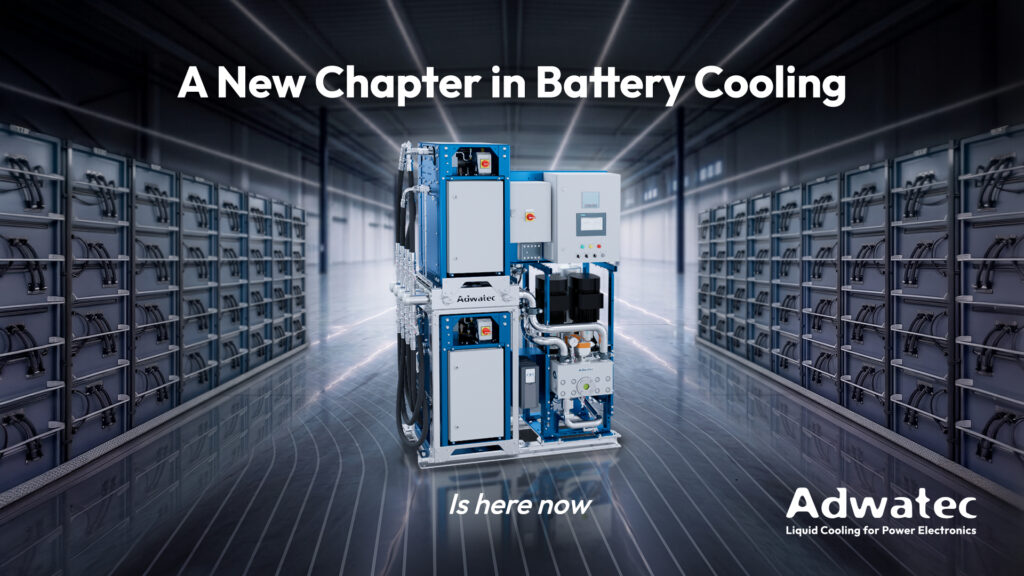
STATCOM installations typically require sophisticated water cooling systems with precise temperature control capabilities. We offer specialized L series cooling stations designed specifically for demanding technical water cooling applications, including Static VAR Compensators and other power electronic systems. These solutions provide the reliability and performance characteristics essential for critical grid infrastructure.
Future cooling system selection must also consider emerging grid technologies and increasing power densities. As power electronics continue advancing toward higher switching frequencies and greater integration, cooling requirements will become more demanding. Selecting modular, scalable cooling solutions ensures adaptability to evolving thermal management needs while maintaining cost-effectiveness and operational reliability in electrical grid applications.