Water cooling is a thermal management method that uses water as a coolant to remove heat from electronic components and industrial equipment. It works by circulating water through a closed loop system where heated water absorbs thermal energy from components, transfers it to a heat exchanger or radiator, and returns cooled water to continue the cycle.
Inadequate cooling is causing expensive equipment failures and downtime
Power electronics generate intense heat that can destroy components within minutes if not properly managed. When cooling systems fail or operate inefficiently, you face costly equipment replacement, unexpected downtime, and reduced system performance. The solution is to implement properly sized liquid cooling systems that can handle peak thermal loads while maintaining consistent temperatures across all operating conditions.
Air cooling limitations are holding back your system performance
Traditional air cooling methods struggle with high-density power electronics, creating hot spots and forcing systems to operate below capacity to prevent overheating. This thermal bottleneck limits your equipment’s full potential and forces oversized installations to compensate for cooling deficiencies. Switching to water cooling eliminates these constraints by providing superior heat transfer capacity and precise temperature control.
What is water cooling and why is it used?
Water cooling is a thermal management system that uses water’s superior heat transfer properties to remove heat from electronic components more efficiently than air cooling. It is used because water can absorb and transfer heat approximately 25 times more effectively than air, making it essential for high-power applications.
The primary advantage of water cooling lies in its exceptional thermal conductivity. While air has limited heat absorption capacity, water can carry away significantly more thermal energy per unit volume. This makes water cooling indispensable for power electronics, industrial equipment, and marine applications where heat generation exceeds what air cooling can handle.
Industries choose water cooling when equipment operates at high power densities, requires precise temperature control, or operates in environments where air cooling is impractical. The compact nature of liquid cooling systems also allows for smaller equipment designs while maintaining optimal operating temperatures.
How does a water cooling system work?
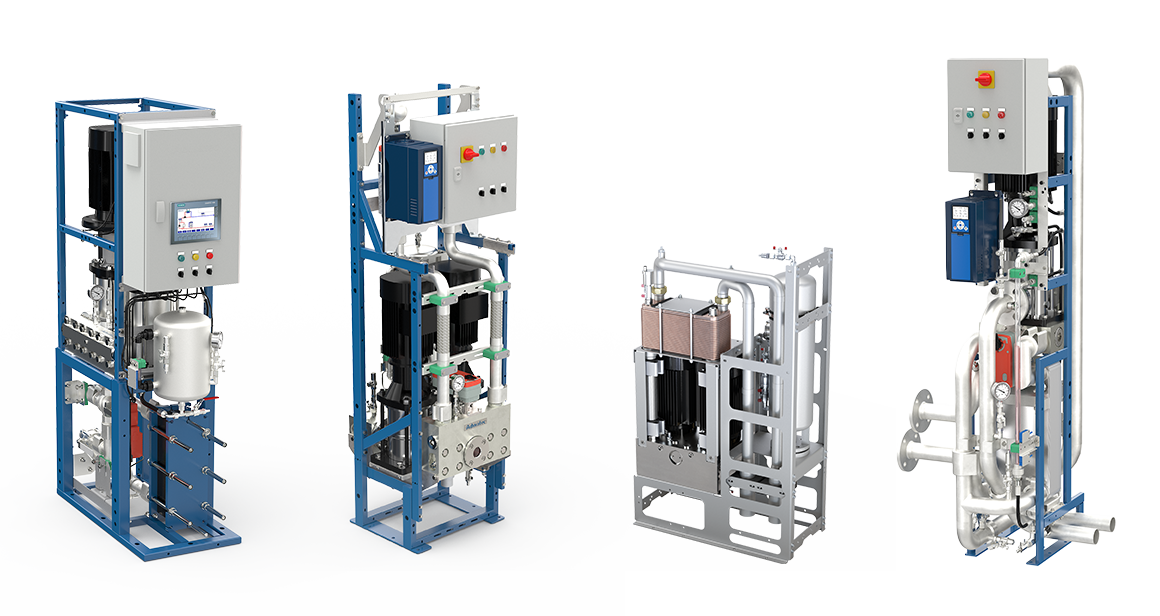
A water cooling system works by circulating coolant through a closed loop that includes a heat source, pump, heat exchanger, and connecting pipes. The pump moves heated water away from components to a heat exchanger where thermal energy is dissipated, then returns cooled water to continue the cycle.
The process begins when water absorbs heat directly from electronic components through cold plates or heat sinks. The heated water is then pumped through insulated pipes to a heat exchanger, which can be a radiator, cooling tower, or plate heat exchanger depending on the application.
Temperature sensors and control systems monitor the cooling loop to maintain optimal operating conditions. Modern systems include variable speed pumps, bypass valves, and automated controls that adjust cooling capacity based on real-time thermal demands. This ensures consistent component temperatures while minimizing energy consumption.
What are the main types of water cooling systems?
The main types of water cooling systems are open loop systems that use external water sources, closed loop systems that recirculate the same coolant, and hybrid systems that combine both approaches. Each type serves different applications based on water availability, environmental conditions, and performance requirements.
Open loop systems draw water from external sources like technical water systems or municipal supplies for cooling applications. These systems are common in large industrial facilities where dedicated water sources are available. However, they require water treatment and careful system integration.
Closed loop systems recirculate a fixed volume of coolant within a sealed circuit. This approach offers better control over water quality, reduces environmental impact, and works in locations where external water sources are limited. Closed loop systems are preferred for power electronics cooling because they maintain consistent coolant properties and prevent contamination.
Hybrid systems combine elements of both approaches, typically using a closed primary loop for sensitive equipment with an open secondary loop for heat rejection. This configuration provides the benefits of closed loop control while leveraging external water sources for efficient heat dissipation.
What are the benefits of water cooling for power electronics?
Water cooling for power electronics provides superior heat dissipation, precise temperature control, compact system design, and improved reliability compared to air cooling. These benefits enable higher power densities, better performance, and longer equipment life in demanding applications.
The enhanced heat transfer capability of water allows power electronics to operate at higher power levels without overheating. This increased thermal capacity translates to more compact designs, as less space is needed for cooling infrastructure. Equipment can achieve higher power densities while maintaining safe operating temperatures.
Precise temperature control is another significant advantage. Water cooling systems can maintain component temperatures within tight tolerances, which is critical for power electronics that are sensitive to thermal variations. This stability improves system efficiency and extends component lifespan by preventing thermal stress.
Reliability improvements come from eliminating the mechanical wear associated with large cooling fans and reducing dust accumulation that can compromise air cooling systems. Water cooling systems also operate more quietly and consume less energy than equivalent air cooling solutions, particularly in high-power applications.
What industries commonly use water cooling systems?
Industries that commonly use water cooling systems include marine, electrical grid infrastructure, heavy industry, data centers, and renewable energy sectors. These industries rely on water cooling because their power electronics generate heat levels that exceed air cooling capabilities.
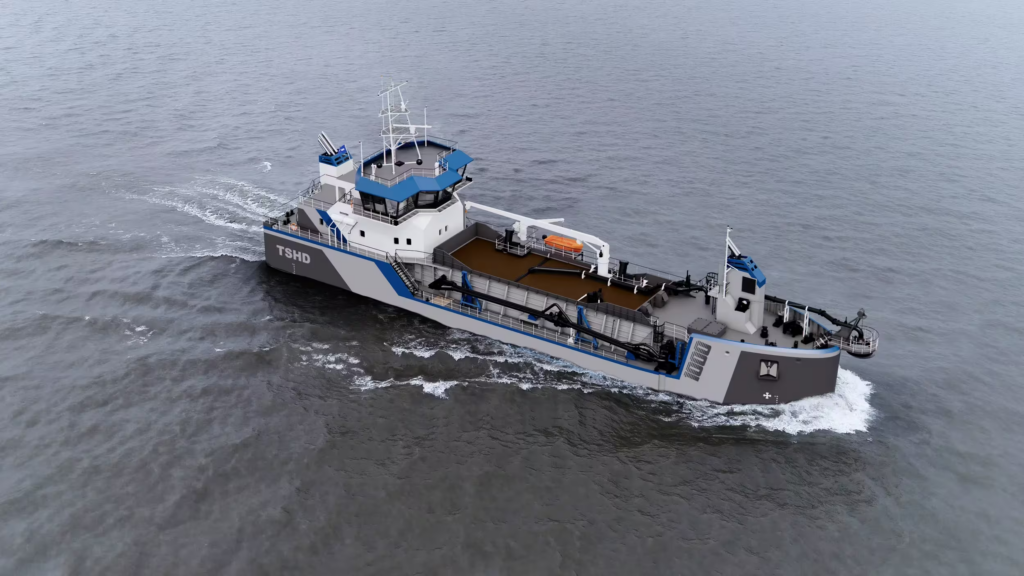
The marine industry extensively uses water cooling for propulsion systems, thrusters, and onboard power electronics. Ships benefit from the compact nature of liquid cooling systems in space-constrained environments, primarily utilizing the vessel’s technical water system. When technical water is unavailable, seawater serves as a secondary cooling option. Marine applications require specialized cooling stations that meet maritime safety and environmental standards.
Electrical grid infrastructure depends on water cooling for static var compensators, power converters, and energy storage systems. These applications demand reliable thermal management to maintain grid stability and prevent costly outages. The precise temperature control offered by water cooling is essential for maintaining power quality and equipment protection.
At Adwatec, we have built over 25 years of experience in water cooling solutions, serving clients across these diverse industries on a global scale. Our cooling systems are installed in more than 500 vessels worldwide and cool 5000 MW of power electronics across marine, grid, and industrial applications. The marine applications we provide cooling solutions for include propulsion systems, thrusters, winches, and battery and energy storage systems. We provide solutions for both essential and non-essential use.
marine references
-

Ulstein Color Hybrid. Battery cooling for a revolutionary hybrid vessel Adwatec was part of a completely new kind of project within the marine industry when the company won a contract and was to deliver the solution that will cool down the batteries of the world’s largest plug-in hybrid vessel. Key Benefits of Adwatec’s cooling solution:…
-
Water cooling in industrial power grid. Three L-range Adwatec cooling systems take care of SVC applications in industrial power grid. Details about the project:
-

Cooling system for large STATCOM application. Three L-range Adwatec cooling systems take care of STATCOM application in a traction power grid. About the project: