Water cooling and air cooling systems differ fundamentally in their heat transfer methods and efficiency levels. Water cooling uses liquid to absorb and transfer heat away from components, while air cooling relies on fans and heat sinks to dissipate heat through air circulation. Water cooling typically provides superior thermal performance and operates more quietly, making it ideal for high-power applications where precise temperature control is critical.
Inadequate cooling is destroying your power electronics faster than you realize
When power electronics overheat, they don’t just perform poorly – they fail catastrophically and cost you thousands in replacement parts and downtime. Every degree above the optimal operating temperature reduces component lifespan exponentially, while thermal stress creates micro-fractures that lead to sudden failures. The solution is to implement proper thermal management from the start, choosing cooling systems that match your power density requirements rather than hoping basic air cooling will suffice.
Poor cooling efficiency is inflating your energy costs every month
Inefficient cooling systems force your equipment to work harder, drawing more power while delivering less performance. Air cooling systems often struggle with high-power applications, requiring oversized fans that consume significant energy while still failing to maintain optimal temperatures. Switch to water cooling for high-density applications – it removes heat more effectively with less energy consumption, reducing both your electricity bills and equipment stress.
What is the fundamental difference between water cooling and air cooling?
Water cooling uses liquid coolant to absorb heat from components and transfer it to a heat exchanger, while air cooling relies on fans and heat sinks to move heated air away from components. Water has significantly higher thermal conductivity and heat capacity than air, making it more effective at removing large amounts of heat.
The key distinction lies in heat transfer efficiency. Water can absorb roughly 4,000 times more heat per unit volume than air, allowing water cooling systems to handle much higher power densities in smaller spaces. Air cooling systems depend on the airflow and surface area of heat sinks, which limits their effectiveness as power levels increase.
Water cooling systems typically include pumps, radiators, and closed-loop circuits that circulate coolant continuously. Air cooling systems use fans, heat sinks, and sometimes heat pipes to move heat away from components. This fundamental difference in approach affects everything from system size to maintenance requirements.
Which cooling system is more efficient for power electronics?
Water cooling is significantly more efficient for power electronics, especially in high-power applications. Water cooling systems can remove 10-50 times more heat per unit volume compared to air cooling, while maintaining more precise temperature control and operating with less noise.
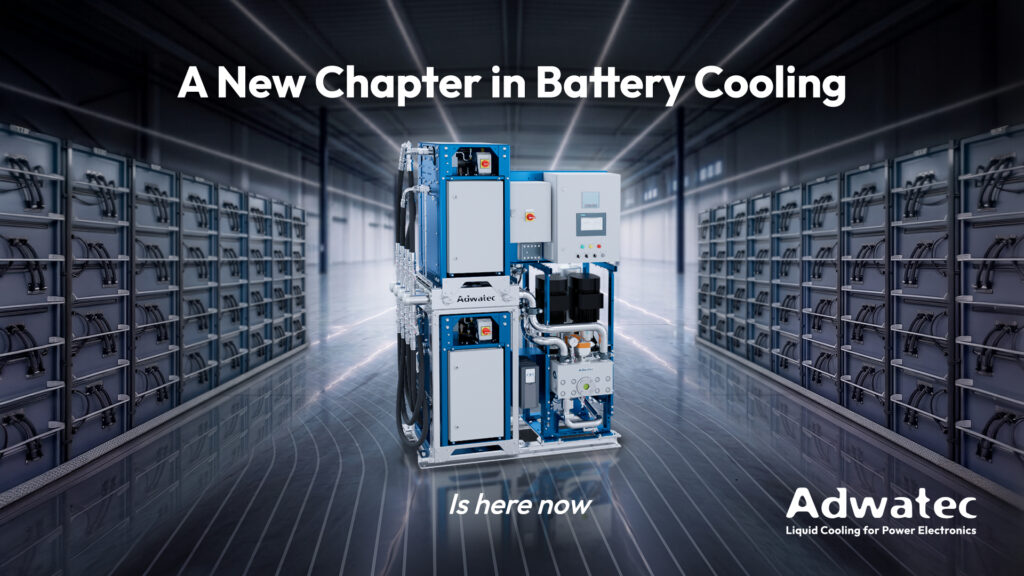
For power electronics generating substantial heat loads, water cooling provides superior thermal performance. The higher heat capacity of water means smaller cooling systems can handle larger thermal loads. This efficiency becomes critical in applications like Static Var Compensators, energy storage systems, and marine propulsion electronics where space constraints and high power density create challenging cooling requirements.
Air cooling efficiency drops dramatically as power density increases. While adequate for low-power applications, air cooling systems require increasingly large heat sinks and powerful fans for high-power electronics, often becoming impractical due to size, noise, and energy consumption limitations.
What are the cost differences between water and air cooling systems?
Water cooling systems typically have higher upfront costs due to pumps, heat exchangers, and plumbing components, but often provide a lower total cost of ownership through reduced energy consumption and longer equipment life. Air cooling has lower initial costs but may require more frequent replacements and consume more energy in high-power applications.
The initial investment for water cooling includes specialized components like circulation pumps, heat exchangers, and coolant management systems. However, these costs are often offset by reduced energy consumption, as water cooling systems operate more efficiently and require less power to achieve the same cooling performance.
Long-term costs favor water cooling in demanding applications. Better temperature control extends component lifespan, reducing replacement costs. Additionally, water cooling systems often require less maintenance than air cooling systems with multiple fans that wear out over time. For industrial and marine applications, the reliability benefits of water cooling can prevent costly downtime that far exceeds any initial cost difference.
How do maintenance requirements differ between these cooling systems?
Water cooling systems require periodic coolant monitoring and replacement, pump maintenance, and leak prevention checks, while air cooling systems need regular fan cleaning, filter replacement, and heat sink maintenance. Water cooling typically has fewer moving parts, potentially reducing overall maintenance frequency.
Water cooling maintenance focuses on fluid quality and system integrity. This includes monitoring coolant levels, checking for leaks, and ensuring proper pump operation. Modern closed-loop water cooling systems are designed for minimal maintenance, with some systems operating for years between service intervals when properly installed.
Air cooling maintenance involves more frequent attention to moving parts. Fans accumulate dust and debris, requiring regular cleaning to maintain efficiency. Filters need replacement, and heat sink fins must be kept clear of obstructions. In harsh industrial environments, air cooling systems may require monthly cleaning, while water cooling systems with proper filtration can operate much longer between maintenance cycles.
When should you choose water cooling over air cooling?
Choose water cooling when dealing with high power densities above 10-15 watts per square inch, space-constrained installations, noise-sensitive environments, or applications requiring precise temperature control. Water cooling is essential for power electronics in marine environments, energy storage systems, and industrial applications with demanding thermal requirements.
High-power applications make water cooling necessary rather than optional. When power electronics generate heat loads that would require impractically large air cooling systems, water cooling provides the only viable solution. This commonly occurs in grid-scale energy storage, marine propulsion systems, and industrial motor drives.
Environmental factors also drive the choice toward water cooling. In marine applications, salt air and humidity can damage air cooling fans and heat sinks. Industrial environments with dust, chemicals, or extreme temperatures often favor sealed water cooling systems that protect sensitive components while maintaining consistent cooling performance.
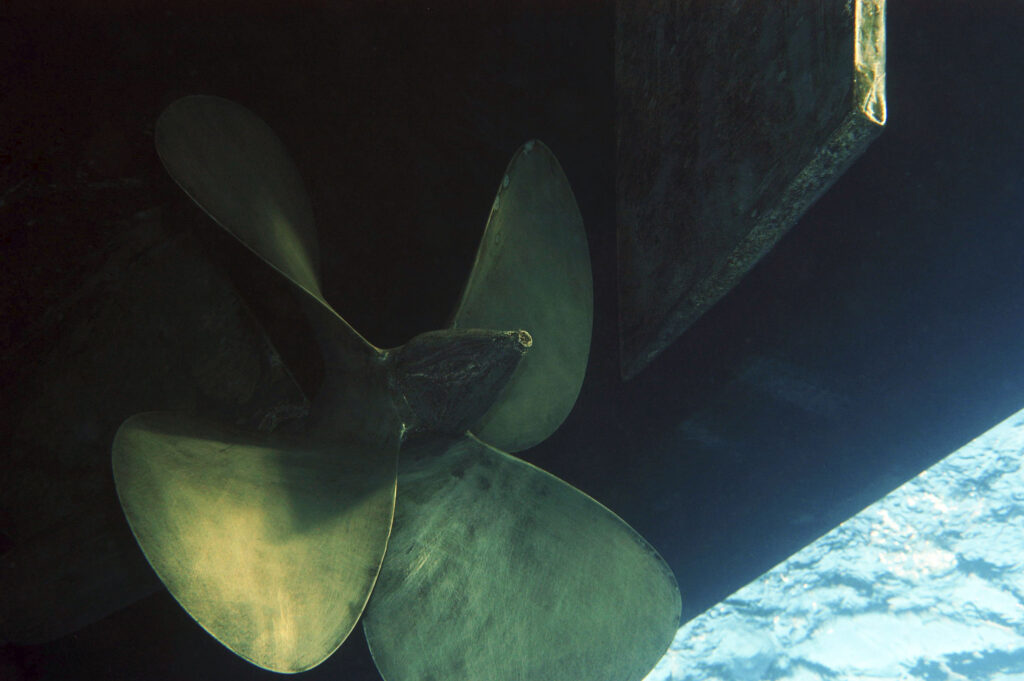
We specialize in water cooling solutions for power electronics across demanding applications. The marine applications we provide cooling solutions for include propulsion systems, thrusters, winches, and battery and energy storage systems. We provide solutions for both essential and non-essential use. Learn more about why customers choose our proven cooling solutions.