Water cooling systems offer superior heat dissipation efficiency, compact design flexibility, and reliable operation for demanding applications. These systems use water’s high thermal conductivity to transfer heat away from components more effectively than air, enabling better performance while reducing space requirements and operating costs in industrial, marine, and power electronics applications.
Inadequate cooling is destroying your power electronics performance
When power electronics overheat, they throttle performance to protect themselves, reducing output capacity by up to 30% and significantly shortening component lifespan. This thermal stress creates cascading failures across systems, leading to unexpected downtime and costly emergency repairs. The solution is implementing proper water cooling that maintains optimal operating temperatures, allowing components to run at full capacity while extending their operational life.
Air cooling limitations are costing you valuable real estate
Traditional air cooling systems demand extensive space for heat sinks, fans, and airflow channels, consuming premium cabinet space that could house additional equipment. These bulky installations also require complex ducting and multiple access points for maintenance, complicating system design and increasing installation costs. Water cooling eliminates these space constraints with compact heat exchangers that fit into tight spaces, freeing up room for more productive equipment.
What are water cooling systems and how do they work?
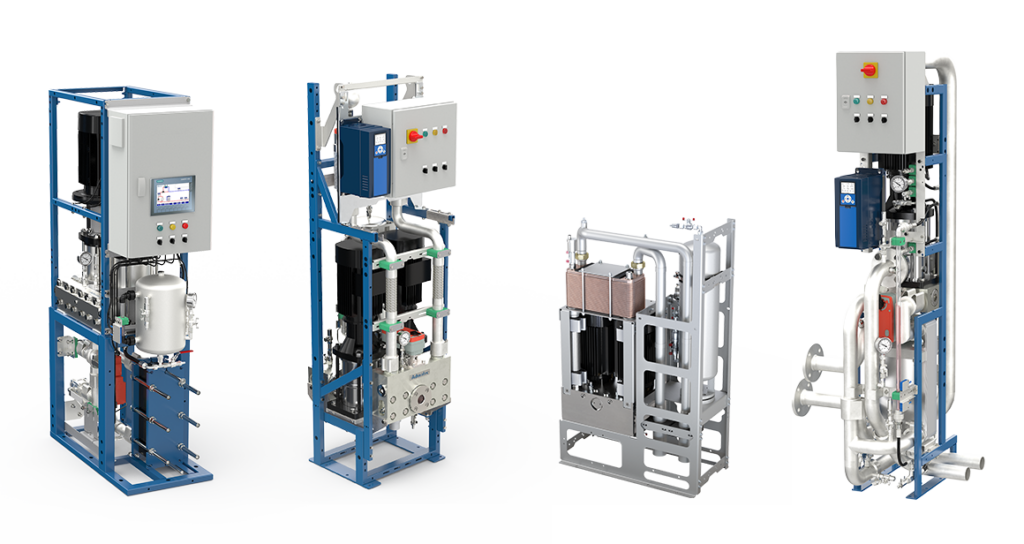
Water cooling systems use liquid coolant to absorb heat from components and transport it to a heat exchanger, where it dissipates into the environment. The system circulates coolant through a closed loop containing pumps, heat exchangers, and distribution manifolds that maintain optimal component temperatures.
The process begins when heated coolant absorbs thermal energy from power electronics or other heat-generating equipment. Pumps circulate this warmed coolant to a heat exchanger, where it transfers heat to ambient air or another cooling medium. The cooled liquid then returns to the components, completing the circulation cycle.
Modern water cooling systems incorporate temperature sensors, flow monitors, and control systems that automatically adjust pump speeds and valve positions to maintain precise thermal conditions. These intelligent controls respond to changing heat loads and environmental conditions, ensuring consistent performance across varying operational demands.
Why are water cooling systems more efficient than air cooling?
Water cooling systems achieve superior efficiency because water has approximately 25 times higher thermal conductivity than air, allowing faster heat transfer from components. This enhanced heat dissipation capability enables more effective temperature control with lower energy consumption compared to air cooling systems.
The higher specific heat capacity of water means it can absorb more thermal energy per unit volume, requiring smaller coolant flows to achieve the same cooling effect as large air volumes. This efficiency translates into reduced pump energy consumption compared to the multiple high-powered fans needed for equivalent air cooling performance.
Water cooling also eliminates the temperature limitations imposed by ambient air conditions. While air cooling performance degrades in hot environments, water cooling systems maintain consistent efficiency regardless of ambient temperature, making them ideal for challenging industrial and marine environments where reliable cooling is essential.
What are the space and design advantages of water cooling?
Water cooling systems require significantly less physical space than air cooling because they eliminate bulky heat sinks, large fans, and extensive ducting. This compact design allows for higher power density installations and more flexible equipment layout in constrained spaces.
The modular nature of water cooling enables designers to separate heat generation from heat dissipation locations. Components can be cooled remotely through coolant lines, allowing heat exchangers to be positioned in optimal locations for maintenance access or environmental conditions. This flexibility is particularly valuable in marine applications where space is at a premium and access is limited.
Water cooling systems also significantly reduce noise levels compared to multiple cooling fans, creating quieter operating environments. The absence of air filters and ducting simplifies maintenance requirements while reducing the accumulation of dust and contaminants that can impair cooling performance over time.
How reliable are water cooling systems for critical applications?
Water cooling systems demonstrate exceptional reliability for critical applications through redundant components, leak-proof designs, and continuous monitoring capabilities. Modern systems incorporate backup pumps, multiple circulation paths, and advanced leak detection to ensure uninterrupted operation even during component failures.
The closed-loop design of water cooling systems prevents contamination and maintains consistent coolant quality, reducing the risk of system degradation over time. High-quality components and materials resist corrosion and wear, enabling extended operational periods between maintenance intervals compared to air cooling systems with moving parts exposed to environmental contaminants.
For marine and industrial applications, water cooling systems meet stringent certification requirements, including DNV type approval for vessel installations. These certifications validate system reliability under extreme conditions, including vibration, temperature variations, and extended operational periods without maintenance access.
What cost benefits do water cooling systems provide?
Water cooling systems deliver long-term cost savings through reduced energy consumption, lower maintenance requirements, and extended equipment lifespan. The improved cooling efficiency allows components to operate at optimal temperatures, reducing thermal stress and preventing premature failures that require costly replacements.
Energy savings result from the elimination of multiple high-powered cooling fans and the ability to operate power electronics at higher efficiency levels. Water cooling systems typically consume 40-60% less energy than equivalent air cooling installations, generating substantial operational cost reductions over the system lifecycle.
Maintenance costs decrease significantly due to fewer moving parts and the absence of air filters requiring regular replacement. The compact design also reduces installation complexity and labor costs, while improved component reliability minimizes unplanned downtime and emergency repair expenses that can be particularly costly in remote or marine environments.
At Adwatec, we have dedicated ourselves to water cooling solutions since 2007, building extensive experience across marine, electrical grid, and heavy industry applications. Our cooling stations are installed on more than 500 vessels globally and cool 5000 MW of power electronics worldwide. The marine applications we provide cooling solutions for include propulsion systems, thrusters, winches, and battery and energy storage systems. We provide solutions for both essential and non-essential use.
marine references
-
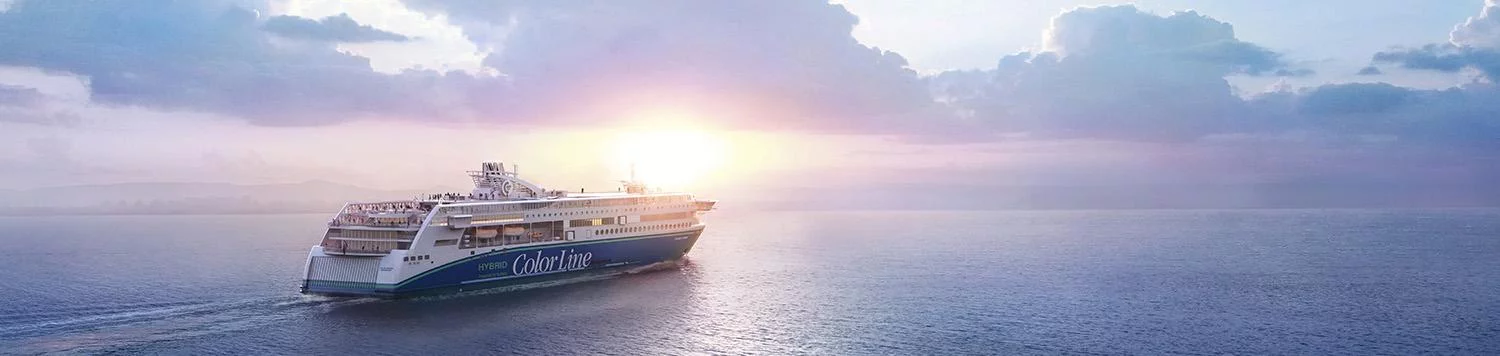
Ulstein Color Hybrid. Battery cooling for a revolutionary hybrid vessel Adwatec was part of a completely new kind of project within the marine industry when the company won a contract and was to deliver the solution that will cool down the batteries of the world’s largest plug-in hybrid vessel. Key Benefits of Adwatec’s cooling solution:…
-
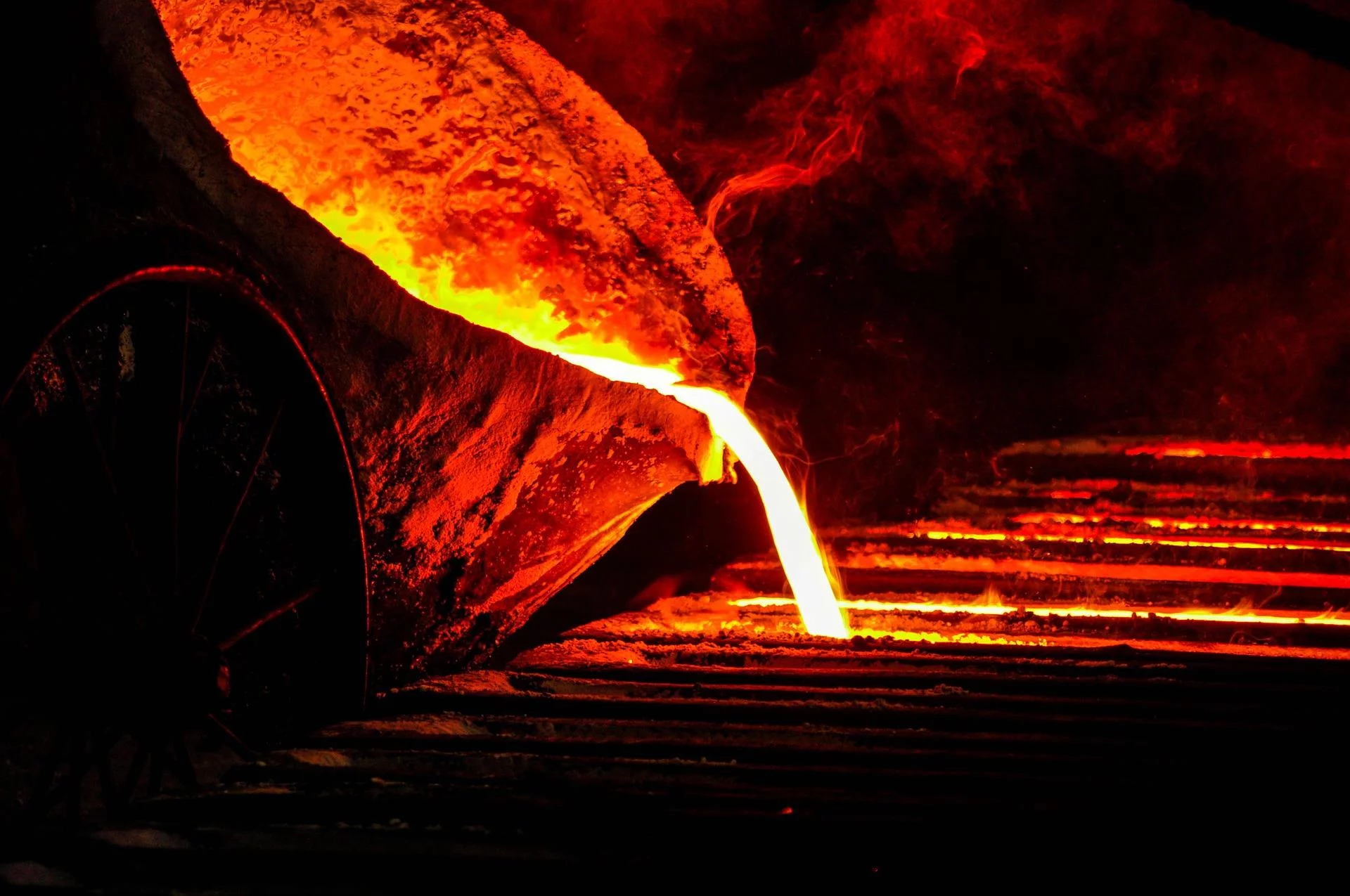
Water cooling in industrial power grid. Three L-range Adwatec cooling systems take care of SVC applications in industrial power grid. Details about the project:
-

Cooling system for large STATCOM application. Three L-range Adwatec cooling systems take care of STATCOM application in a traction power grid. About the project: