Modern power grids face unprecedented challenges as electricity demand surges and renewable energy integration becomes more complex. At the heart of this infrastructure lie power electronics that convert, control, and condition electrical energy—but these critical components generate substantial heat that threatens both performance and reliability. Effective thermal management through water cooling systems has emerged as a cornerstone technology for maintaining power grid stability and ensuring a consistent electrical supply.
The relationship between temperature control and grid reliability extends far beyond simple equipment protection. When power electronics overheat, they experience reduced efficiency, shortened lifespans, and increased failure rates that can cascade into widespread outages. Understanding how advanced cooling systems address these thermal challenges reveals why water cooling has become essential for modern electrical infrastructure.
Why Power Electronics Generate Critical Heat Challenges
Power electronics in electrical grids operate under extreme conditions that create significant thermal stress. These components—including inverters, converters, and static var compensators—handle massive power loads while performing rapid switching operations that generate heat as an inevitable byproduct of electrical resistance and switching losses.
The heat generation problem intensifies with grid modernization trends. High-power density designs pack more capability into smaller spaces, concentrating thermal loads that traditional cooling methods struggle to manage. Static var compensators, for example, can handle hundreds of megawatts while maintaining precise voltage regulation, but this performance comes with substantial thermal management requirements that directly impact grid stability.
Temperature fluctuations create additional complications beyond simple overheating. Power electronics experience thermal cycling stress as ambient conditions change and load demands fluctuate throughout the day. This cycling accelerates component degradation and increases the likelihood of unexpected failures during peak demand periods when grid reliability is most critical.
How Water Cooling Outperforms Traditional Air Systems
Water cooling delivers superior thermal management performance compared to air-based systems through fundamental physics advantages. Water’s thermal conductivity is approximately 25 times higher than air, enabling more efficient heat transfer from power electronics to the cooling medium. This enhanced heat transfer capability allows water cooling systems to maintain lower operating temperatures even under high power loads.
The compact design advantages of water cooling become particularly valuable in space-constrained electrical installations. Air cooling systems require large heat sinks, fans, and adequate airflow pathways that consume valuable real estate in substations and control rooms. Water cooling stations eliminate these space requirements while providing more precise temperature control through closed-loop circulation systems.
Energy efficiency represents another critical advantage of water cooling in power grid applications. Air cooling systems often require significant electrical power to operate large fans and air handling equipment, reducing overall system efficiency. Modern water cooling solutions incorporate variable-speed pumps and intelligent control systems that minimize parasitic power consumption while maintaining optimal cooling performance.
What Makes Water Cooling Essential for Grid Stability
Grid stability depends on consistent power electronics performance across varying load conditions and environmental factors. Water cooling systems provide the thermal stability necessary for power electronics to maintain precise control characteristics that keep electrical grids balanced and responsive to demand changes.
Temperature-sensitive components like semiconductor switches and magnetic cores require stable operating conditions to deliver predictable performance. Even small temperature variations can affect switching timing, voltage regulation accuracy, and power conversion efficiency. Water cooling’s ability to maintain tight temperature tolerances ensures that power electronics respond consistently to grid control signals.
The reliability implications extend beyond individual component performance to system-wide grid resilience. Power electronics failures can trigger protective relay operations that disconnect generation sources or load centers, potentially causing cascading outages. By significantly reducing thermally induced failures, water cooling systems contribute to overall grid reliability and help prevent widespread blackouts.
Real-World Applications in Modern Power Infrastructure
Static var compensators represent one of the most demanding applications for power electronics cooling in electrical grids. These systems provide reactive power support and voltage regulation across transmission networks, handling power levels that can exceed 300 MVA. The high-power switching operations generate substantial heat that requires sophisticated thermal management to maintain grid stability functions.
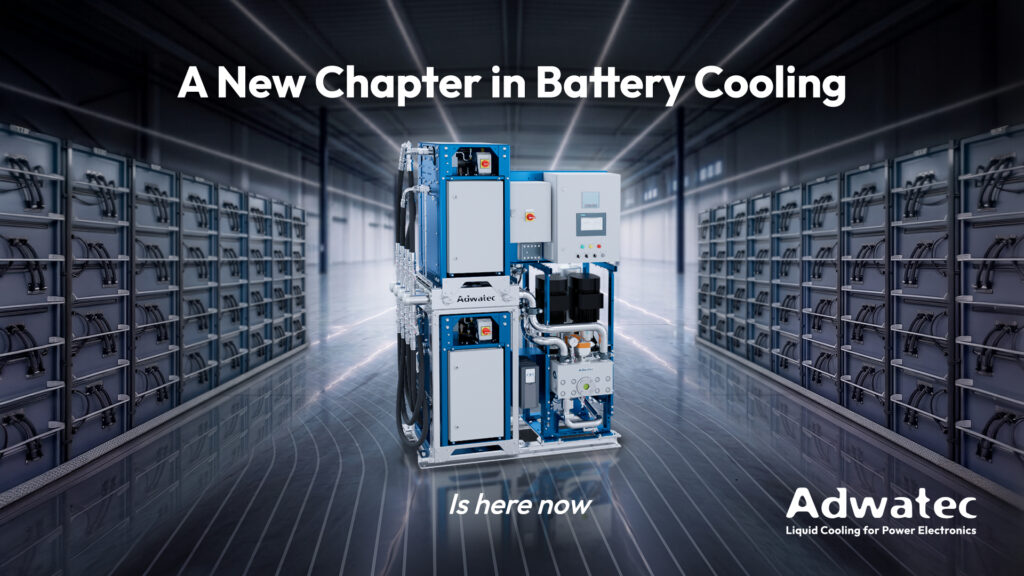
Energy storage system integration has created new cooling challenges as battery installations and power conversion equipment concentrate significant thermal loads in compact spaces. Large-scale battery installations require precise temperature control not only for the storage cells but also for the power electronics that manage charging, discharging, and grid interconnection functions. Water cooling provides the thermal management precision necessary for these complex installations.
Renewable energy integration applications showcase water cooling’s versatility in modern power infrastructure. Wind farm power converters, solar inverter stations, and grid-tie equipment all benefit from water cooling’s ability to handle variable thermal loads while maintaining consistent performance. We have developed specialized cooling solutions that address the unique requirements of these renewable energy applications, ensuring reliable power conversion under diverse operating conditions.
Looking ahead, the continued evolution of power grid technology will place even greater demands on thermal management systems. Smart grid implementations, increased renewable penetration, and growing electrification trends all point toward more sophisticated power electronics that require advanced cooling solutions. Water cooling technology stands ready to meet these challenges, providing the thermal management foundation for tomorrow’s electrical infrastructure while ensuring the reliability that modern society depends upon.