Water cooling in electrical grid systems removes heat from power electronics by circulating coolant, maintaining optimal operating temperatures for transformers, inverters, and other critical equipment. These systems prevent overheating that could cause equipment failure, power outages, and costly downtime in electrical infrastructure.
Overheating power electronics are costing you grid reliability
When electrical grid equipment overheats, it triggers protective shutdowns that cascade into widespread power outages affecting thousands of customers. High temperatures reduce equipment lifespan by up to 50% and force emergency replacements that can cost millions. The solution is to implement proper cooling systems that maintain consistent temperatures, preventing thermal stress and ensuring continuous power delivery to your grid infrastructure.
Inadequate cooling capacity signals deeper efficiency problems
Undersized cooling systems force power electronics to operate at reduced capacity, limiting your grid’s ability to handle peak demand and renewable energy integration. This bottleneck prevents you from maximizing infrastructure investments and meeting growing electricity needs. Installing correctly sized water cooling systems allows equipment to run at full capacity while reducing energy consumption through efficient heat removal.
What is water cooling in electrical grid systems?
Water cooling in electrical grid systems is a thermal management method that uses water as a coolant to remove heat from power electronics and electrical equipment. It circulates water through heat exchangers or cooling plates to maintain safe operating temperatures for transformers, inverters, and other grid infrastructure components.
This cooling method is essential for modern electrical grids because power electronics generate significant heat during operation. Without proper cooling, equipment can overheat, leading to reduced efficiency, shortened lifespan, or complete failure. Water cooling provides superior heat removal compared to air cooling, making it ideal for high-power applications in electrical infrastructure.
Grid operators rely on water cooling systems to ensure reliable power delivery, especially as grids integrate more renewable energy sources and high-power electronic devices that require precise temperature control for optimal performance.
How does water cooling work for power electronics?
Water cooling for power electronics works by circulating coolant through heat exchangers or cooling plates attached to heat-generating components. The primary cooling medium is the vessel’s technical water system, with seawater used as a secondary option only when technical water is unavailable. The water absorbs heat from the electronics and carries it away through piping to external heat exchangers.
The process begins when heated components transfer thermal energy to cooling plates or heat sinks. Water flowing through these devices absorbs the heat as it moves through the system. Pumps maintain continuous circulation, ensuring consistent heat removal from critical components.
Temperature sensors and control systems monitor coolant temperatures and adjust flow rates to maintain optimal operating conditions. The heated water travels to external heat exchangers where it releases thermal energy before returning to cool the electronics again.
What types of electrical grid equipment need water cooling?
Power inverters, transformers, Static Var Compensators (SVCs), and energy storage systems require water cooling in electrical grid applications. These high-power devices generate substantial heat during operation and need active cooling to maintain efficiency and prevent thermal damage.
Power inverters used in renewable energy integration and grid-tie applications produce significant heat when converting DC power to AC power. Large transformers, especially those handling high voltages and currents, require cooling to manage heat generated by electrical losses and magnetic core heating.
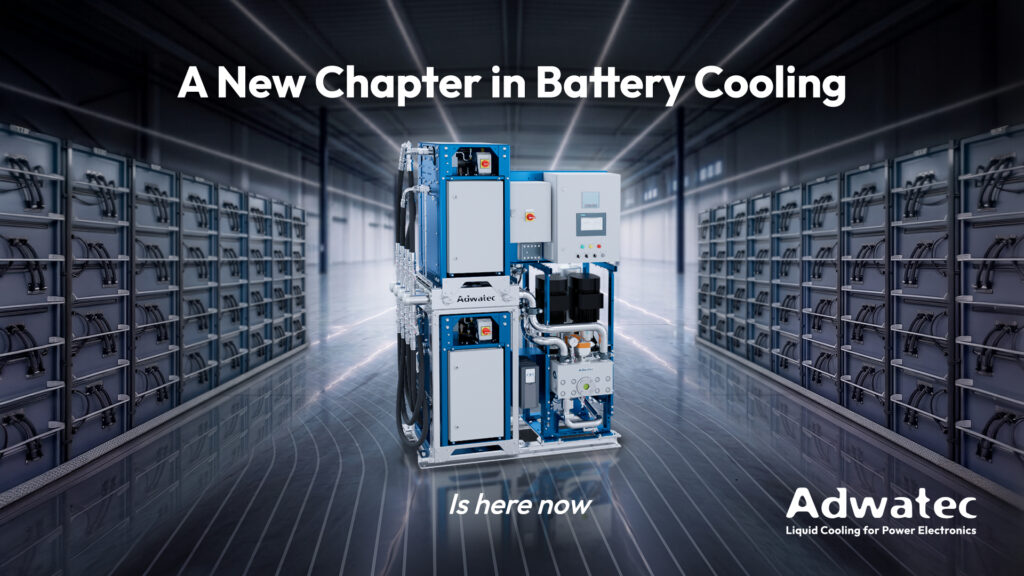
Static Var Compensators use power electronics to regulate voltage and reactive power, generating heat that demands specialized cooling solutions. Energy storage systems, including battery installations and power conditioning equipment, also rely on water cooling to maintain optimal operating temperatures and extend equipment life. We specialize in cooling solutions for these demanding applications, offering B series cooling stations specifically designed for energy storage systems and L series stations for SVC applications.
What’s the difference between open and closed-loop cooling systems?
Open-loop cooling systems draw water from external sources like technical water systems, while closed-loop systems recirculate the same coolant continuously through a sealed circuit. Closed-loop systems offer better contamination control and are preferred for sensitive electrical equipment.
Open-loop systems typically use available water sources for cooling but face challenges with water quality and potential contamination of electrical components. Water quality can vary, potentially introducing particles or chemicals that could damage sensitive electronics.
Closed-loop systems provide superior control over coolant quality, temperature, and chemical composition. They use deionized water or specialized coolants that protect electrical components from corrosion and contamination. These systems require less water overall and offer better environmental compliance, making them ideal for electrical grid applications where equipment protection is critical.
How do you maintain water cooling systems in electrical grids?
Maintaining water cooling systems in electrical grids involves regular monitoring of coolant quality, checking for leaks, cleaning heat exchangers, and replacing filters. Scheduled maintenance includes testing coolant conductivity, inspecting pump operation, and verifying that temperature control systems function properly.
Monthly inspections should include checking coolant levels, examining connections for leaks, and monitoring system pressures. Coolant quality testing ensures proper chemical balance and conductivity levels, especially important for deionized water systems used with sensitive electronics.
Annual maintenance involves replacing filters, cleaning heat exchangers, inspecting pumps and valves, and testing emergency shutdown systems. Proper maintenance extends cooling system life and ensures reliable operation of critical electrical grid infrastructure.