Closed-loop water cooling systems work in harsh environments by circulating coolant through a sealed circuit that isolates critical components from external contaminants. These systems use heat exchangers, pumps, and filtration to maintain optimal temperatures while protecting power electronics from moisture, salt, vibration, and extreme weather conditions that could cause failures.
Equipment failures from temperature fluctuations are costing you operational downtime
When cooling systems can’t handle temperature swings, your power electronics overheat during peak loads and suffer thermal stress during cold starts. This creates a cycle of component degradation, unexpected shutdowns, and expensive emergency repairs that can halt operations for days. The solution is to implement cooling systems with thermal management that automatically adjusts to ambient conditions, maintaining stable component temperatures regardless of external weather.
Contamination exposure is shortening your equipment lifespan significantly
Open cooling systems expose your valuable electronics to salt spray, dust, and moisture that corrode connections and create short circuits. Each contamination event reduces component reliability and forces premature replacements that drain maintenance budgets. Switching to sealed closed-loop systems creates a barrier between your electronics and the environment, extending equipment life while reducing the frequency of costly component replacements.
What is a closed-loop water cooling system?
A closed-loop water cooling system is a sealed circuit that circulates coolant to remove heat from components without exposing the coolant to the external environment. The system includes pumps, heat exchangers, filters, and monitoring equipment that work together to maintain consistent temperatures while preventing contamination.
The closed-loop design means the same coolant continuously circulates through the system, passing through the components that need cooling and then through heat exchangers where the absorbed heat is transferred to the ambient air or the vessel’s technical water system. This isolation from external conditions is what makes these systems particularly effective in challenging environments.
Modern closed-loop systems often include redundant components, automated controls, and real-time monitoring to ensure reliable operation. The coolant itself can be customized for specific applications, with options including deionized water, glycol mixtures, or specialized fluids that provide additional protection against freezing or corrosion.
How do closed-loop cooling systems handle extreme temperatures?
Closed-loop cooling systems handle extreme temperatures through thermal management controls, coolant selection, and component design that automatically adjusts to ambient conditions. The systems maintain stable operating temperatures for electronics regardless of whether the environment is freezing or extremely hot.
In cold environments, these systems prevent freezing through heated coolant reservoirs, insulated piping, and antifreeze additives when necessary. The circulation pumps can be programmed to maintain minimum flow rates that prevent stagnation and ice formation. Some systems include pre-heating cycles that warm the coolant before equipment startup in sub-zero conditions.
For high-temperature environments, the systems increase heat exchanger capacity and coolant flow rates to handle the additional thermal load. Advanced systems use variable-speed pumps and fans that automatically increase cooling capacity when ambient temperatures rise, ensuring components never exceed their thermal limits even during peak summer conditions or in engine rooms with high ambient heat.
What makes water cooling systems reliable in marine environments?
Water cooling systems achieve reliability in marine environments through corrosion-resistant materials, sealed designs that prevent salt intrusion, and vibration-resistant mounting systems. These features protect against the unique challenges of saltwater exposure, constant motion, and humid conditions found aboard vessels.
Marine-grade cooling systems use materials like stainless steel, bronze, and specialized coatings that resist saltwater corrosion. The heat exchangers are designed with sacrificial anodes and cathodic protection to extend service life. All electrical connections are sealed and rated for marine environments to prevent moisture intrusion that could cause system failures.
The constant motion and vibration aboard vessels require robust mounting systems and flexible connections that absorb movement without creating stress points. Pumps and fans are selected for their ability to operate reliably despite the rolling and pitching motion of ships. Many marine cooling systems also include redundant components and automatic switchover capabilities to ensure continuous operation even if one component fails during a voyage.
How do these systems protect against contamination and moisture?
These systems protect against contamination and moisture through sealed coolant circuits, positive pressure systems, and filtration that prevents external contaminants from reaching sensitive electronics. The closed-loop design creates a physical barrier between the cooling medium and the harsh external environment.
The sealed circuit means coolant never comes into direct contact with outside air, water, or particles. All connections use gaskets and seals rated for the specific environment, whether that’s marine conditions with salt spray or industrial settings with chemical exposure. Expansion tanks and reservoirs include breathing systems with filters that allow for thermal expansion while blocking contaminants.
Many systems maintain slight positive pressure within the coolant circuit, which prevents external moisture or particles from being drawn into the system through small leaks or connections. Advanced filtration removes any particles that might enter the system during maintenance, while dehumidification systems control moisture levels in air-breathing components.
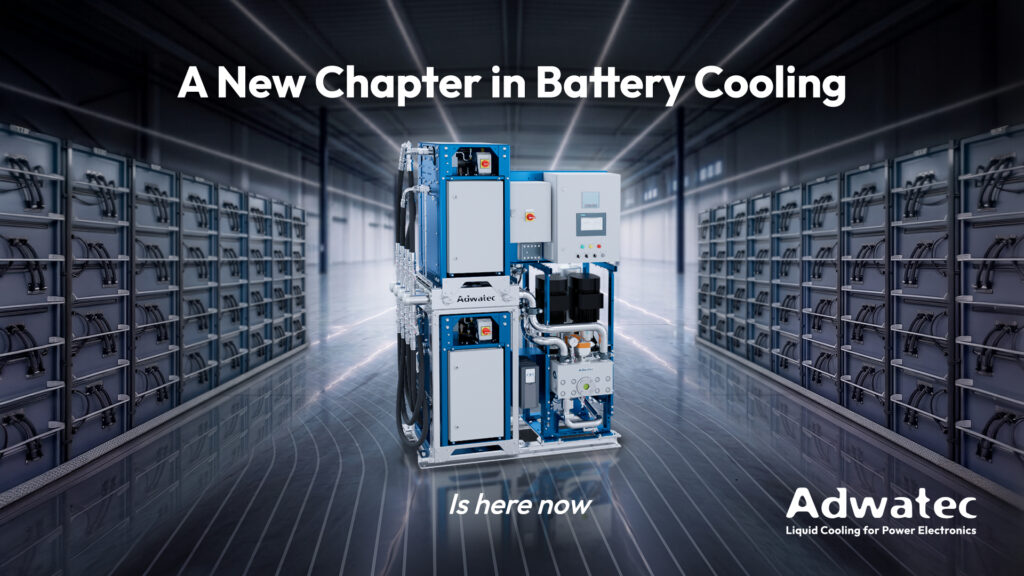
At Adwatec, we understand the critical importance of reliable cooling in demanding environments. The marine applications we provide cooling solutions for include propulsion systems, thrusters, winches, and battery and energy storage systems. Our cooling systems primarily utilize the vessel’s technical water as the heat sink, with seawater as a secondary option when technical water is unavailable. Learn more about why customers choose our water cooling solutions for their most challenging applications.